
iPhone 17e vs Galaxy S25 FE: Samsung Wins on Screen and Camera, Apple Wins on Everything Else
Both the iPhone 17e and the Samsung Galaxy S25 FE are well-positioned as affordable alternatives to their respective flagships. The Samsung S25 FE has superior display, cameras, and battery life, which the iPhone 17e counters with better compactness, optimisation, and iOS ecosystem integration.

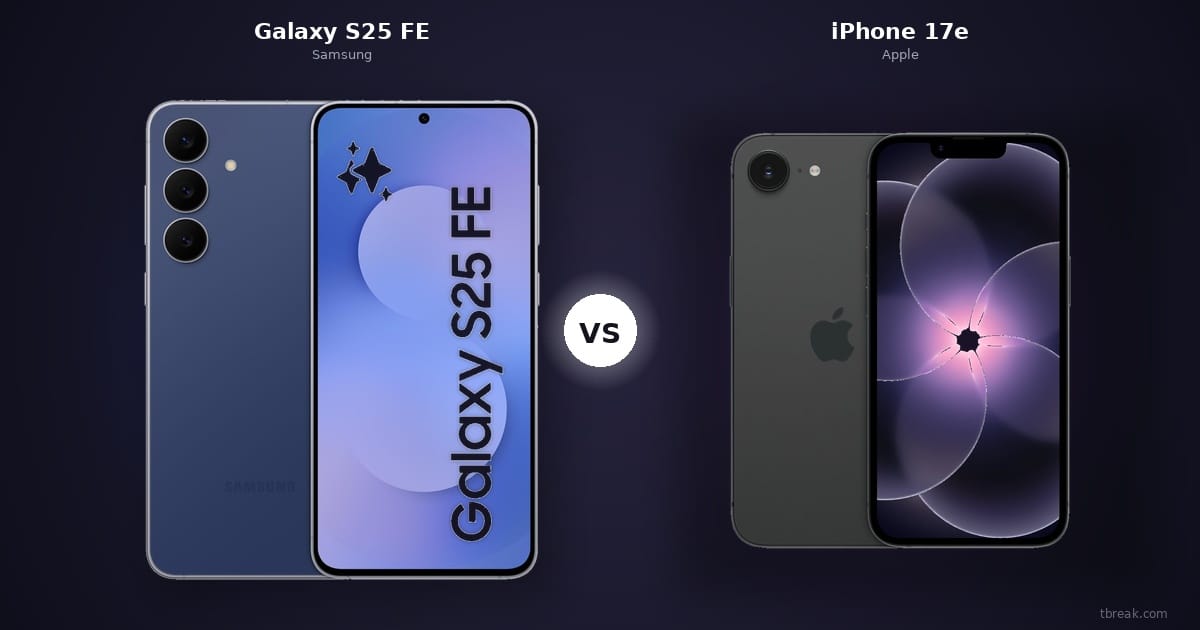
The iPhone 17e and Samsung Galaxy S25 FE represent Apple and Samsung's mid-range flagship offerings competing in the sub-AED 3000 segment. Both devices target users seeking premium features without flagship pricing, with the iPhone emphasising ecosystem integration and compact design, while Samsung focuses on display technology and camera versatility.
| Specification | iPhone 17e | Samsung Galaxy S25 FE |
|---|---|---|
| Price in UAE | AED 2,599 | AED 2,699.06 |
| Display | 6.1" OLED, 60Hz, 457 PPI | 6.7" AMOLED, 120Hz, 385-395 PPI |
| Processor | Apple A19 | Exynos 2400 |
| RAM/Storage | 8GB / 256GB-512GB | 12GB / 128GB-512GB |
| Rear Camera | 48MP (dual) | 50MP + 12MP + 8MP (triple) |
| Battery | 4005 mAh | 4900 mAh, 45W fast charging |
| Weight | 169g | 190g |
Display Size: Samsung's Bigger Screen Advantage
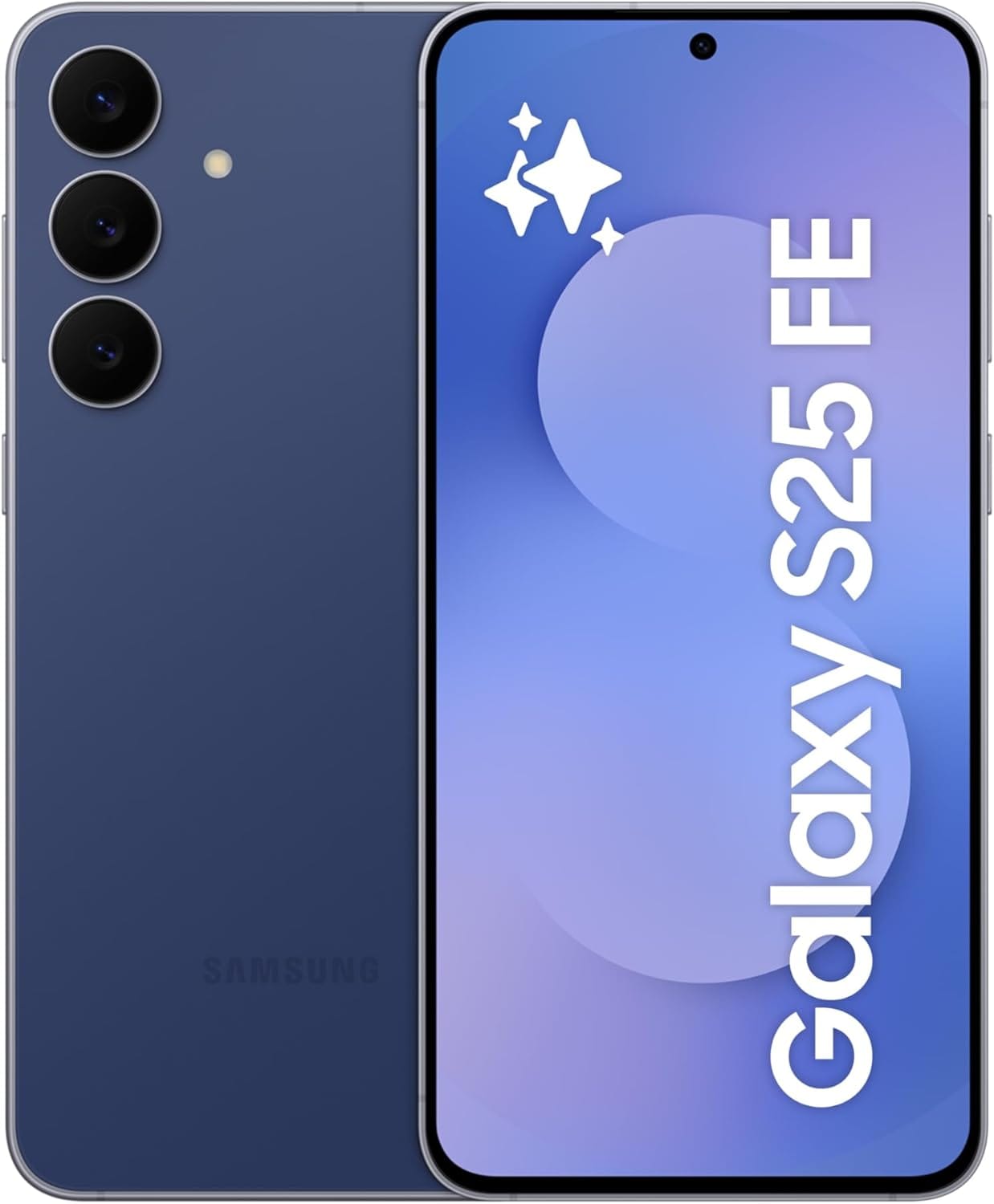
The Samsung Galaxy S25 FE excels in screen real estate with its 6.7-inch Dynamic AMOLED display compared to the iPhone 17e's 6.1-inch OLED panel. That 0.6-inch difference translates to significantly more viewing area — approximately 30% more screen space for watching videos, gaming, or multitasking. The larger display makes the Samsung considerably better for media consumption and productivity tasks.
In practical terms, Samsung's display makes typing more comfortable thanks to its larger keyboard and better split-screen functionality. The bigger canvas also makes photo editing and document work less cramped, though it does sacrifice some one-handed usability that the iPhone maintains.
Winner: Samsung Galaxy S25 FE
Display Sharpness: iPhone's Pixel Density Edge
While Samsung wins on size, Apple takes the crown for display sharpness. The iPhone 17e packs 457 pixels per inch compared to Samsung's 385-395 PPI — a difference of roughly 16-18%. This higher pixel density results in crisper text, sharper icons, and more detailed images, particularly noticeable when reading or viewing photos up close.
The practical impact becomes evident when reading articles or browsing social media. Text will appear noticeably sharper on the iPhone, with better-defined edges and clearer character rendering. This advantage is most apparent to users who spend considerable time reading on their phones or those who are particularly sensitive to display quality.
Winner: iPhone 17e
Display Brightness: Samsung's Outdoor Visibility Win
Samsung's Galaxy S25 FE delivers superior outdoor visibility with its peak brightness of 1900 nits — roughly 58% brighter than the iPhone 17e's approximately 1200 nits. This substantial difference means the Samsung remains more readable in direct sunlight, while the iPhone may struggle in harsh outdoor conditions.
The brightness difference will be particularly noticeable during midday use outdoors. Samsung's display cuts through glare and maintains vibrant colours in bright environments, where the iPhone's screen will become dimmer and harder to read. For users who spend significant time outdoors or work in bright environments, this is a meaningful advantage.
Winner: Samsung Galaxy S25 FE
Display Refresh Rate: Samsung's Smooth Scrolling Advantage
The Samsung Galaxy S25 FE's 120Hz refresh rate delivers noticeably smoother scrolling and more responsive touch interactions than the iPhone 17e's standard 60Hz display. This translates to a more fluid experience when browsing social media, gaming, or navigating the interface — the difference will immediately be apparent when switching between devices.
The higher refresh rate particularly benefits gaming performance and general system responsiveness. Scrolling through Twitter, Instagram, or web pages feels significantly more polished on the Samsung, with reduced motion blur and improved visual continuity. While the iPhone's 60Hz display remains perfectly functional, it feels dated compared to Samsung's modern implementation.
Winner: Samsung Galaxy S25 FE
Performance: Apple's A19 Optimisation Advantage
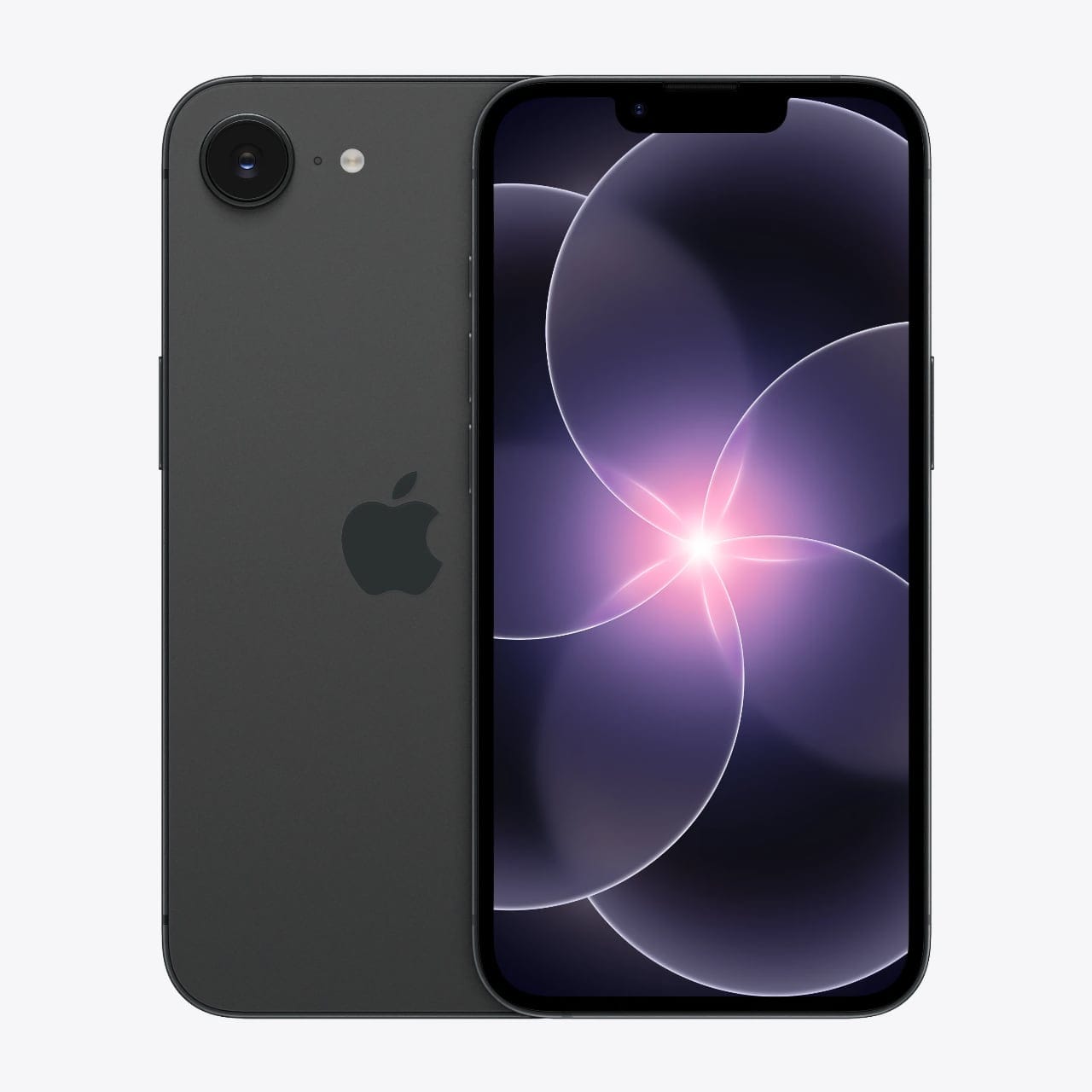
The iPhone 17e's Apple A19 processor delivers superior performance, efficiency, and optimisation compared to Samsung's Exynos 2400 chip. Apple's tight integration between hardware and software results in more consistent performance, better energy efficiency, and smoother long-term operation — advantages that become apparent in daily use rather than synthetic benchmarks.
The iPhone should maintain more consistent performance during intensive tasks and show less thermal throttling under sustained loads. The A19's superior optimisation also translates to better app launch times and more efficient background processing, despite Samsung's higher RAM count. Apple's processor architecture continues to lead in per-core performance and sustained workloads.
Winner: iPhone 17e
RAM: Samsung's Multitasking Edge
Samsung's Galaxy S25 FE includes either 8GB or 12GB (on 512GB storage variant) of LPDDR5X RAM compared to the iPhone 17e's 8GB. This extra memory will allow the Samsung to keep more apps active in the background, reducing reload times when switching between applications and enabling better performance during memory-intensive tasks.
The practical benefits include keeping more browser tabs open, maintaining game states for longer, and running multiple apps simultaneously without degrading performance. While iOS is more memory-efficient than Android, Samsung's extra RAM advantage can provide noticeable benefits for power users who frequently multitask or use memory-intensive applications.
Winner: Tie
Camera Versatility: Samsung's Triple System Wins
Samsung's Galaxy S25 FE offers more photographic flexibility with its triple-camera system (50MP main + 12MP ultrawide + 8MP telephoto with 3x zoom) than the iPhone 17e's single camera setup (48MP main camera). The additional telephoto lens enables optical zoom, while the ultrawide lens offers creative shooting options that the iPhone simply cannot match.
The telephoto lens proves particularly valuable for portrait photography and distant subjects, offering 3x optical zoom without digital quality degradation. Combined with the ultrawide lens for landscape and group shots, Samsung provides three distinct focal lengths versus the iPhone's single perspective. This versatility makes the Samsung more capable for varied photography scenarios.
Winner: Samsung Galaxy S25 FE
Video Recording: iPhone's 4K Superiority
The iPhone 17e excels in video recording with superior 4K@60fps capabilities and Apple's renowned video processing optimisation. Apple's historical strength in video recording, combined with the A19 processor's dedicated video encoding, will provide better video quality and more consistent performance during extended recording sessions.
Apple's video processing algorithms, combined with hardware-software integration, typically deliver better stabilisation, colour accuracy, and overall video quality. For content creators or users who prioritise video recording capabilities, the iPhone 17e represents the stronger choice despite Samsung's additional camera lenses.
Winner: iPhone 17e
Battery Capacity: Samsung's Endurance Advantage
Samsung's Galaxy S25 FE packs a substantially larger 4900mAh battery compared to the iPhone 17e's 4005mAh capacity — a 22% advantage that should translate to longer daily endurance. This larger battery provides approximately 1-2 additional hours of typical usage, making the Samsung better suited for heavy users or those who frequently travel.
The capacity difference becomes particularly noticeable during intensive tasks like gaming, video streaming, or GPS navigation. That being said, even with the smaller battery, the iPhone 17e should easily match the real-world battery performance that the S25FE offers with a larger battery.
Winner: Tie
Fast Charging: Samsung's Power Advantage
Samsung's Galaxy S25 FE supports 45W wired charging, providing significantly faster charging than the iPhone 17e's 50% charge in 30 minutes specification.
The 45W charging speed means the Samsung can recover from low-battery states more quickly, reducing charging anxiety and providing greater convenience for busy users. Combined with the larger battery capacity, Samsung offers both longer endurance and faster recovery times — a compelling combination for power users.
Winner: Samsung Galaxy S25 FE
Design Compactness: iPhone's Portability Win
The iPhone 17e maintains superior portability, with a more compact footprint of 14.67 x 7.15 x 0.78 cm compared to Samsung's larger 16.13 x 7.66 x 0.74 cm. This 10% smaller form factor makes the iPhone easier to handle one-handed, more comfortable to carry in pockets, and generally more manageable for extended use.
The compact design particularly benefits users with smaller hands or those who prioritise easy one-handed operation. The iPhone fits more comfortably in most pockets and requires less stretching to reach screen elements, making it more practical for quick interactions throughout the day.
Winner: iPhone 17e
Weight: iPhone's Lighter Build
At 169g, the iPhone 17e is 21g lighter than Samsung's 190g Galaxy S25 FE — an 11% weight advantage that improves long-term comfort and reduces hand fatigue during extended use. While 21g might seem minimal, this difference becomes noticeable during lengthy phone calls, gaming sessions, or when holding the device for extended periods.
The lighter weight contributes to the iPhone's overall superior portability and one-handed usability. Combined with the more compact dimensions, the weight advantage makes the iPhone 17e more comfortable for users who prioritise ergonomics and extended handheld use.
Winner: iPhone 17e
Software Ecosystem: iPhone's Integration Edge
The iPhone 17e runs iOS 26 with comprehensive Apple ecosystem integration and Wi-Fi 7 support, providing seamless connectivity with other Apple devices and services. This ecosystem advantage includes features such as AirDrop, Handoff, iCloud synchronisation, and optimised integration with MacBook, iPad, and Apple Watch devices.
Apple's ecosystem creates a more cohesive experience for users already invested in Apple products, with better cross-device functionality and longer software update support. The iOS platform also benefits from more consistent app quality and better optimisation, particularly for productivity and creative applications.
Winner: iPhone 17e
Storage Options: Samsung's Value Flexibility
Samsung offers storage flexibility with three tiers (128GB, 256GB, 512GB), including an affordable 128GB base option, compared to the iPhone's two higher-capacity options (256GB, 512GB). This provides better value segmentation and allows budget-conscious buyers to access the S25 FE at a lower entry price while still offering high-capacity options for power users.
The 128GB base model makes the Samsung more accessible to users who don't need extensive local storage, particularly with cloud services becoming more prevalent. Combined with Samsung's slightly lower base price, this storage strategy offers greater value and flexibility for different user needs. That being said, Apple charges a lower price for the similar 256GB configuration making this a tie.
Winner: Tie
Verdict: Should You Buy?
Samsung Galaxy S25 FE wins 5 of 14 categories, while the iPhone 17e wins 6 of 14 categories, making it a difficult choice for most buyers.
Choose iPhone 17e for compact design, superior video recording, iOS ecosystem, and optimised performance. It's ideal for users who prioritise one-handed use, have existing Apple devices, or value the tighter hardware-software integration that iOS provides.
Choose Samsung Galaxy S25 FE for a larger display, 120Hz refresh rate, a versatile camera system and faster charging. It's better suited for media consumption, photography enthusiasts, and users who want maximum screen real estate.
At AED 2,599 versus AED 2,699.06, the iPhone 17e costs about AED 100 less, but Samsung delivers more phone for the money, while the iPhone appeals to those prioritising Apple's ecosystem and compact form factor.
Frequently Asked Questions
Is Samsung Galaxy S25 FE better than iPhone 17e?
Not really- both the phones are equally matched, excelling in specific areas. Samsung Galaxy S25 FE offers superior display technology and versatile camera features. However, iPhone 17e leads in design compactness, performance optimisation, and iOS ecosystem integration.
Which has better display quality - Samsung S25 FE or iPhone 17e?
Samsung S25 FE has a larger 6.7-inch 120Hz display that's 58% brighter at 1900 nits, while iPhone 17e offers sharper text with 457 PPI pixel density. Samsung wins for media consumption, iPhone for text clarity.
Should I buy iPhone 17e or Samsung Galaxy S25 FE in UAE?
Choose Samsung S25 FE (AED 2,699) for a larger display, versatile triple cameras, and longer battery life. Choose iPhone 17e (AED 2,599) if you prefer a compact design, the iOS ecosystem, and superior video recording capabilities.
Which phone has better battery life - iPhone 17e or Samsung S25 FE?
Samsung Galaxy S25 FE has 22% larger battery capacity (4900mAh vs 4005mAh) and supports faster 45W charging. However, the software and hardware optimisations on the iPhone 17e will offer a similar battery life- perhaps even slightly better.
Written by

Subscribe to our newsletter
Subscribe to our newsletter to get the latest updates and news






Member discussion