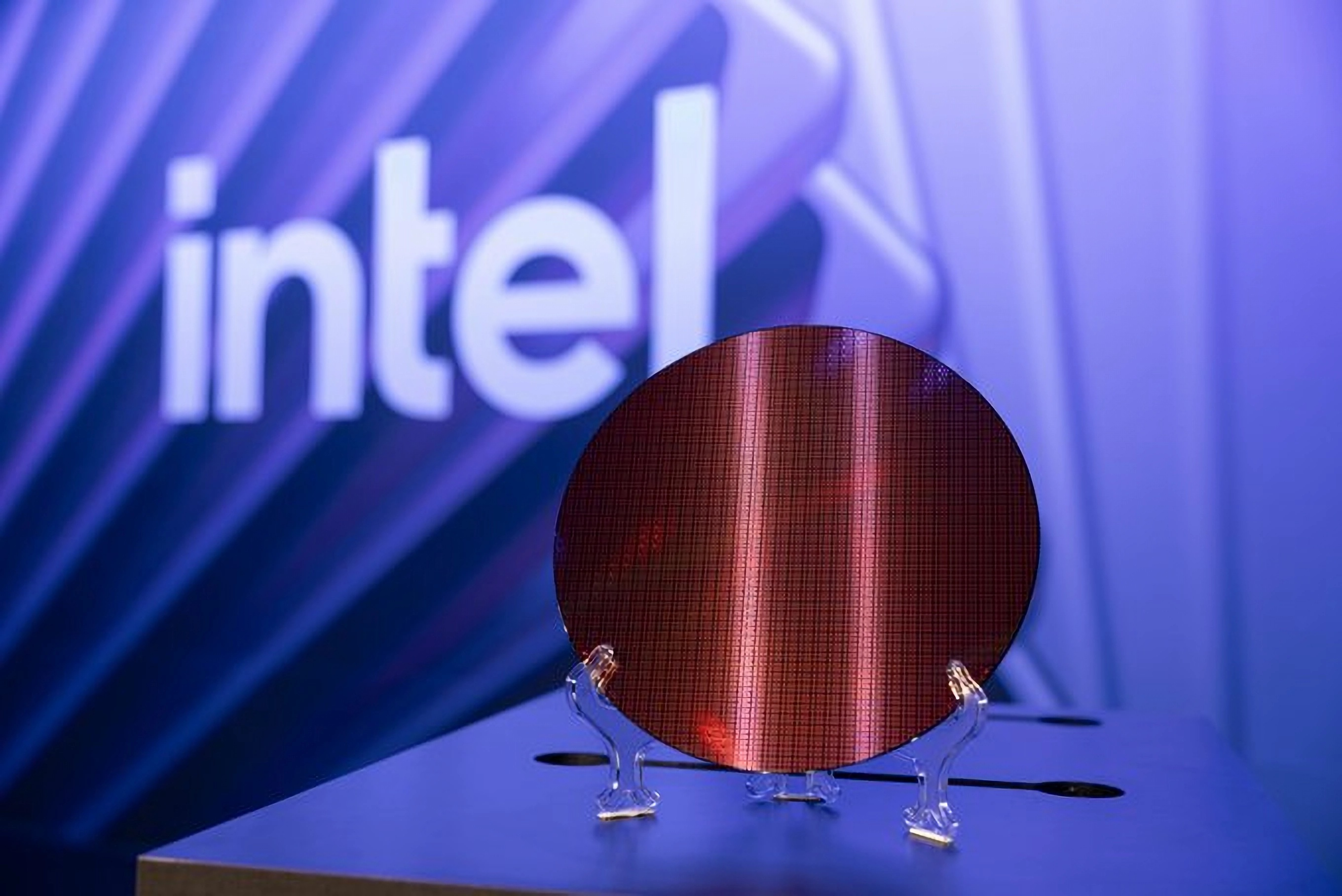
Intel has reportedly raised supplier prices for some Panther Lake processors by 15–20%, with the biggest increases affecting models with higher-end integrated graphics. According to VideoCardz’s account of a Commercial Times supply-chain report, the adjustments began on 1 September and also cover several older processor families.
The key distinction is that these are reported supply-chain prices, not a confirmed 20% increase on laptops or boxed CPUs in shops. The report doesn’t establish an equivalent rise in UAE retail prices, and the percentages don’t apply uniformly across Intel’s line-up.
Which Intel processors are affected?
Panther Lake configurations with higher-end GPU tiles reportedly face the steepest adjustments in Intel’s newer families. Meteor Lake and Arrow Lake prices rose by 5–10%, while the report puts Alder Lake and Twin Lake increases at 10–20%. It doesn’t provide a complete model-by-model price list, so those ranges shouldn’t be treated as a surcharge on every chip bearing those names.
VideoCardz describes this as Intel’s third processor price increase since late 2025. That puts the latest adjustment in a longer sequence rather than a single, across-the-board change announced this week.

Intel’s older platforms remain relevant beyond this pricing report. Separately, tbreak recently covered reports of new desktop CPUs retaining the LGA 1700 socket and DDR4 support. That story focuses on platform compatibility, however, and doesn’t set retail prices for the processors covered here.
Manufacturing costs add pressure
TrendForce’s coverage of the same Commercial Times report links the largest Panther Lake adjustments to models using high-end GPU tiles manufactured on TSMC’s N3E process. Those chips combine the outsourced graphics tiles with CPU compute tiles manufactured on Intel’s 18A process.
The accounts link broader pricing pressure to advanced manufacturing and packaging costs, as well as demand for AI PCs and server processors. TrendForce also says notebook manufacturers face higher DRAM and SSD costs even as CPU supply improves. That pressure hits several parts of a laptop’s bill of materials, rather than suggesting one processor increase determines the final sticker price.
Graphics-specific qualification matters when comparing products. Intel also makes dedicated handheld gaming processors, covered in tbreak’s Arc G3 and G3 Extreme announcement. The pricing here doesn’t reflect an increase for those chips.
Qualcomm reportedly raised prices for the Snapdragon X and Snapdragon X2 Elite platforms by about 10% from 1 October. AMD is also reportedly preparing adjustments for selected Ryzen and EPYC processors, but the amounts, affected models, and effective dates remain unconfirmed. Both outlets draw on the same underlying supply-chain report; they don’t independently confirm the increases.
Should UAE buyers expect an immediate laptop price rise?
The reporting doesn’t give a UAE retail timetable. Compare the actual price of the specific laptop configuration rather than adding the reported processor percentage to its current price.
Is there a confirmed new price for an individual CPU?
Neither account supplies a comprehensive before-and-after price list for individual processors. A family-level range isn’t enough to calculate what a particular model should cost.