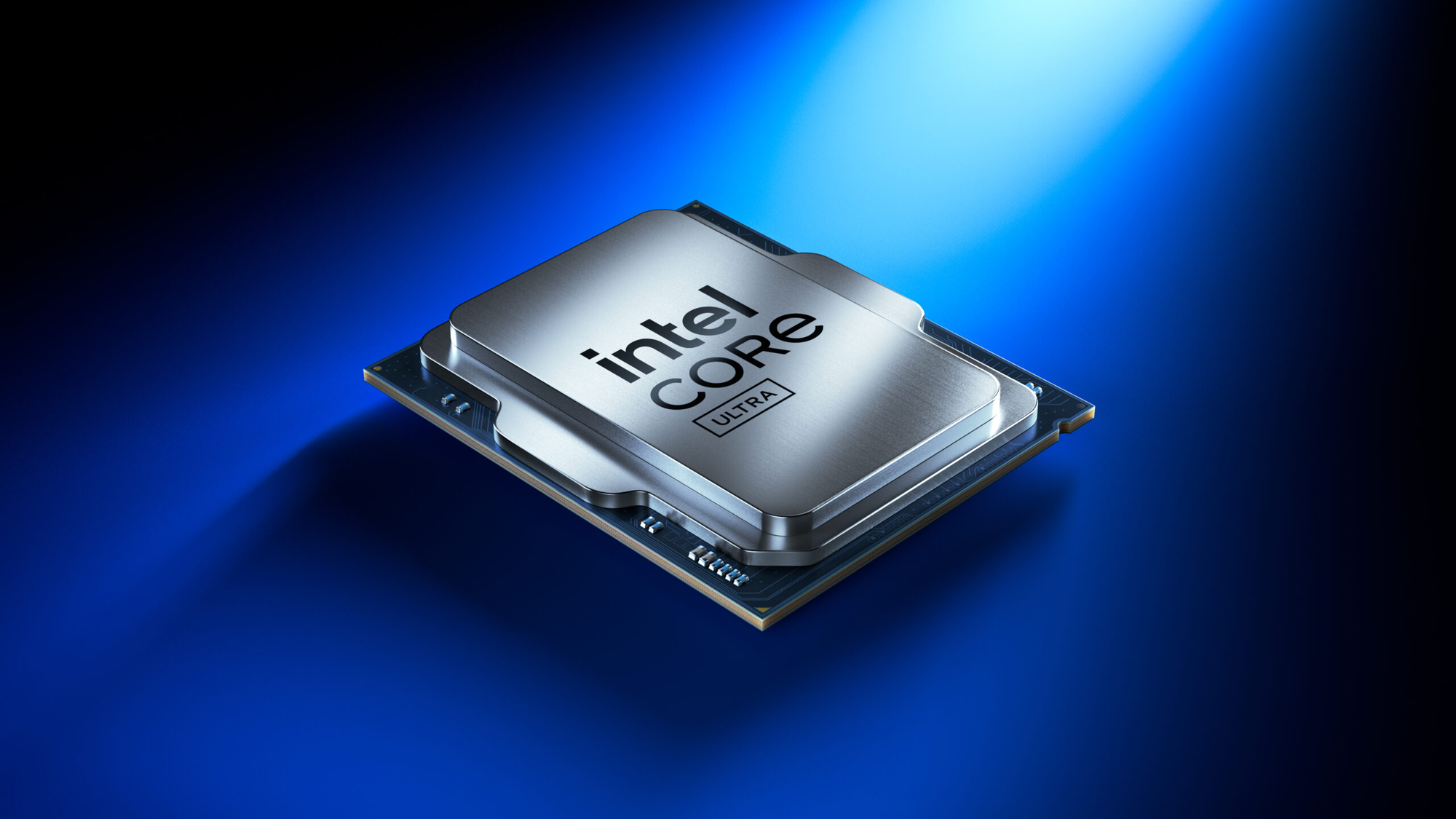
Intel has warned that CPU prices will rise as AI data centers shift from training to inference tasks, according to the company’s latest earnings call (via VGC). The warning comes as RAM and storage costs have already surged due to AI demand, with server CPUs climbing 20% since March and consumer processors up 5-10%.
Key Takeaways
- Server CPU prices have already risen by up to 20% since March due to AI demand.
- Consumer CPUs increased 5-10% with analysts expecting another 8-10% rise in H2 2026.
- AI data centers now need one CPU per GPU instead of one CPU per four to eight GPUs.
- RAM and storage price increases have already contributed to console price hikes this generation.
- PlayStation 6 could be delayed until 2028-2029 due to component cost issues.
Why are CPU prices increasing?
According to Tom’s Hardware reporting on Intel’s earnings call, CPU demand is surging as AI data centers transition from the training phase to inference. During training, machine learning models process vast amounts of data to build knowledge, relying heavily on GPU parallel processing power.
However, the inference phase — where AI uses learned information to respond to user prompts — requires more CPU power, especially for ‘agentic’ AI that operates independently with minimal human interaction. This shift has changed hardware requirements dramatically.
“As you think about the growth rate now going forward, [CPU demand is] going to become a significant part of the AI [total addressable market],” Intel CFO David Zinsner said during the call. AI servers previously needed one CPU for every four to eight GPUs, but agentic AI is pushing this ratio to one CPU per GPU.
How much have prices already risen?
The price increases are already substantial across multiple components. Server CPU prices have jumped up to 20% since March, while consumer CPUs have risen 5-10% over the same period. Analysts expect another 8-10% increase for consumer processors in the second half of 2026.
RAM and storage costs have also climbed significantly as AI data centers purchase massive quantities of memory and storage components. This shortage has created what industry publications are calling ‘RAMmageddon’ — a scarcity-driven price spike affecting the entire tech supply chain.
Major companies including Apple and Tesla have warned that production constraints are likely as component availability tightens. The situation represents a fundamental shift in hardware demand patterns across the technology industry.
What this means for gaming consoles
The component price increases have already contributed to multiple console price hikes this generation, at a time when manufacturers would typically be reducing prices. PlayStation 5 and Xbox Series consoles have seen numerous price increases across various markets.
More concerning for gamers, these cost pressures could affect next-generation console development. Bloomberg reported in February that Sony may delay PlayStation 6 until 2028 or 2029, waiting for component costs to stabilize.
The situation contrasts sharply with previous console generations, where falling component costs allowed for mid-cycle price cuts and improved profit margins. Current market dynamics suggest this traditional pattern may not apply to current or future gaming hardware.
UAE market impact
UAE consumers and businesses are likely to feel these price increases across multiple product categories. Gaming hardware, PCs, and enterprise servers will all face upward pricing pressure as global component costs rise.
For UAE businesses investing in AI infrastructure, the cost implications are particularly significant. Recent research shows 92% of UAE firms prioritize AI adoption, making these price increases directly relevant to local enterprise spending.
Consumer electronics retailers in the UAE may need to adjust pricing strategies as import costs increase. The impact could be particularly noticeable for gaming hardware, where console sales are already declining globally due to various market pressures.
Frequently Asked Questions
Why are CPU prices increasing?
CPU prices are rising due to increased demand from AI data centers shifting from GPU-heavy training to CPU-intensive inference tasks. AI servers now need one CPU per GPU instead of one CPU per four to eight GPUs.
How does AI demand affect hardware prices?
AI data centers require vast quantities of RAM, storage, and increasingly CPUs. This high demand creates scarcity, leading to price hikes across the tech industry for these critical components.
Will gaming consoles become more expensive due to AI demand?
Yes, RAM and storage cost increases have already contributed to console price hikes this generation. CPU price rises could further impact current console costs and delay next-generation releases until 2028-2029.
How much have CPU prices increased?
Server CPUs have risen up to 20% since March, while consumer CPUs increased 5-10%. Analysts expect another 8-10% increase for consumer processors in the second half of 2026.
What is the difference between AI training and inference?
Training involves showing AI models vast amounts of data using GPU power for parallel processing. Inference is when AI uses learned information to respond to prompts, requiring more CPU power especially for autonomous ‘agentic’ AI.