
Huawei FreeClip 2 Review
With a compact case, comfortable build, and an impressively massive soundstage, the Huawei FreeClip 2 is solid all-round open-ear earbuds.

The market for wireless earbuds is in a constant state of evolution, with consumers seeking not just better audio, but also more comfortable and versatile listening experiences. This has fueled the rise of the open-ear category, a segment poised for significant growth within a global earbuds market projected to hit $50 billion by 2032, according to Dataintelo. Huawei's first FreeClip was a bold statement in this space, but its successor, the Huawei FreeClip 2, refines this "open-ear audio experiment" into a mature, compelling product.
The FreeClip 2 isn't trying to replace your noise-cancelling behemoths for long-haul flights. Instead, it offers a solution for the moments in between: the office worker who needs to hear colleagues, the runner who maintains situational awareness, or the user who simply dislikes the plugged-up feeling of traditional buds.
These open-ear earbuds clip onto your ear rather than sealing the ear canal, promising all-day comfort and a seamless blend of personal audio and ambient sound. With significant upgrades to its audio architecture, intelligent features, and design, the Huawei FreeClip 2 makes a powerful case as one of the most practical and underrated audio devices of the year.
On paper, it hits the usual checkpoints for this tier: each earbud weighs about 5.1g, Huawei sticks with its C-bridge design but swaps in a softer, more flexible material than before, and the audio setup centres on a dual-diaphragm driver that Huawei claims improves responsiveness and adds more low-end punch. You also get adaptive volume, plus an AI-heavy call system focused on smarter noise reduction.
I haven’t used the original FreeClip, so I am not treating this as a generational comparison. For me, the more relevant reference point is the Shokz OpenDot One - which I reviewed recently and liked quite a bit - because it’s a similar kind of product in terms of design, features and comfort.
At AED 649, the FreeClip 2 sits in the competitive premium open-ear space, and whether it feels worth it largely depends on what you want out of this style. If you are mainly after comfort, day-to-day practicality, and strong clarity with plenty of volume, it makes a convincing case. If bass-heavy music is the priority, there’s one key drawback you will want to keep in mind.
Design, Features and Comfort
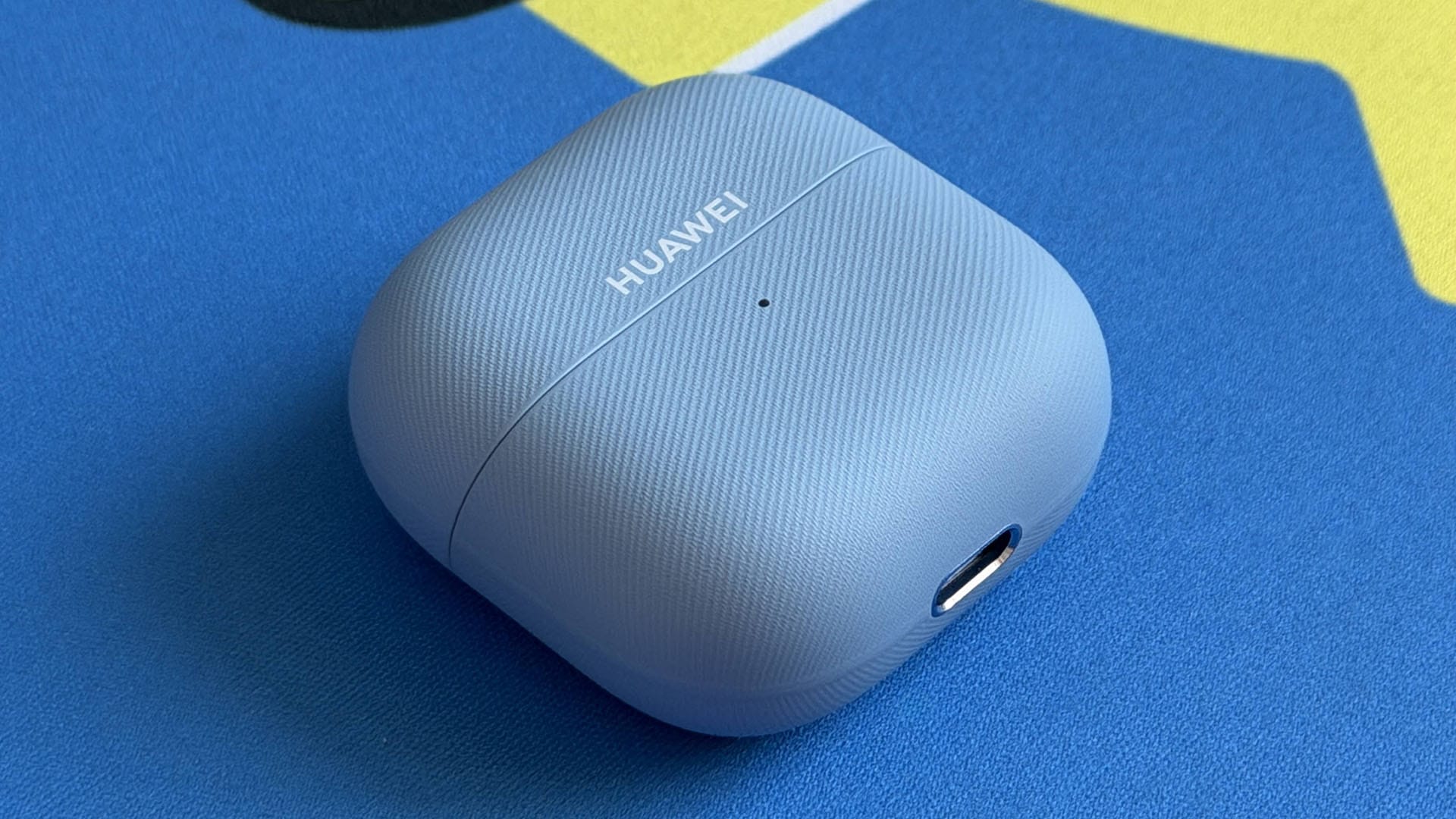
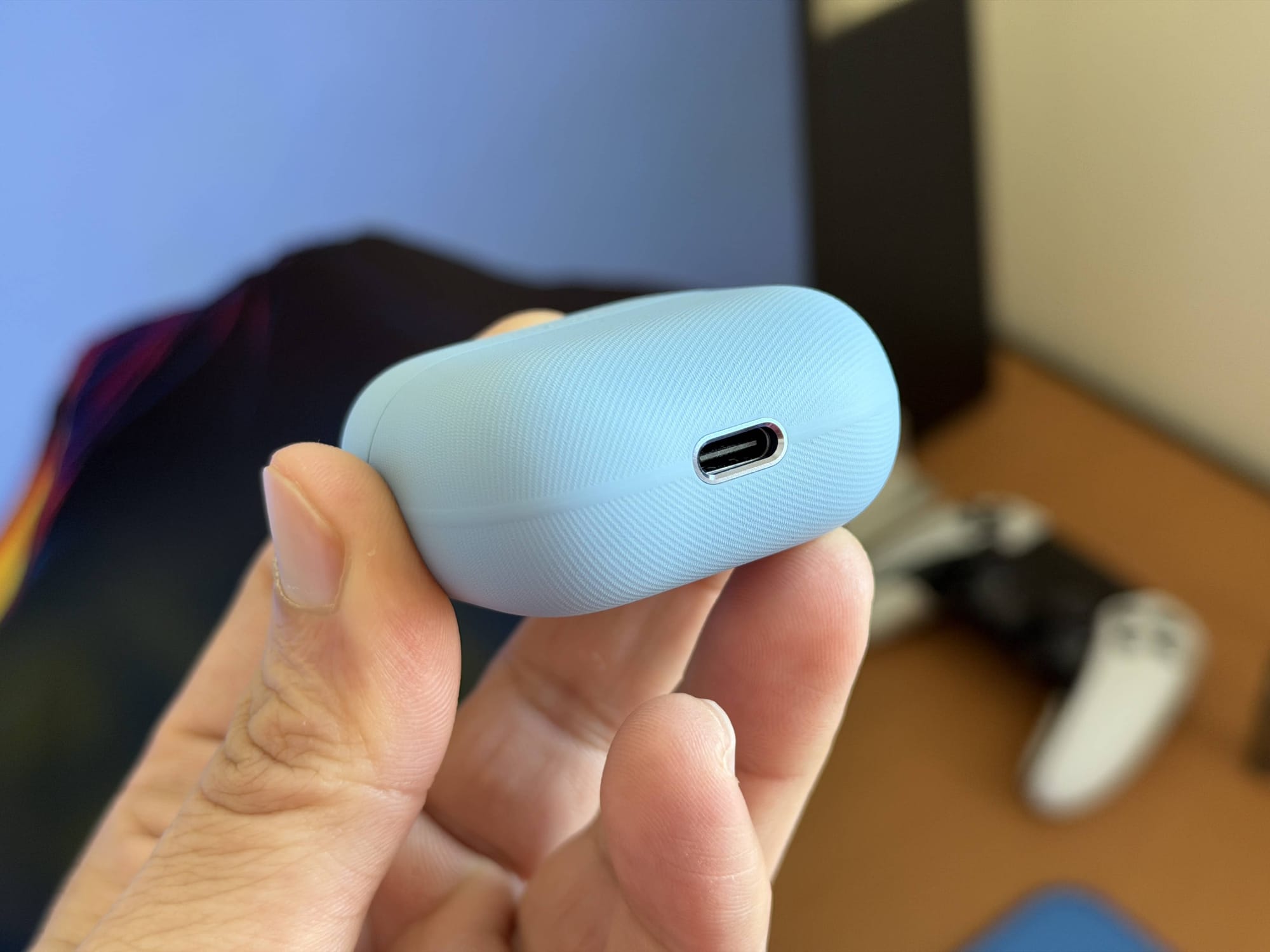
The first interaction with the Huawei FreeClip 2 begins with its charging case, which is impressively compact and lightweight. Huawei has managed to trim its size from the previous generation while still packing a robust battery, making it genuinely pocketable. The case features a unique ribbed, silicone-style finish that resists fingerprints and adds a secure grip—a practical touch that prioritises daily usability over flashy aesthetics.
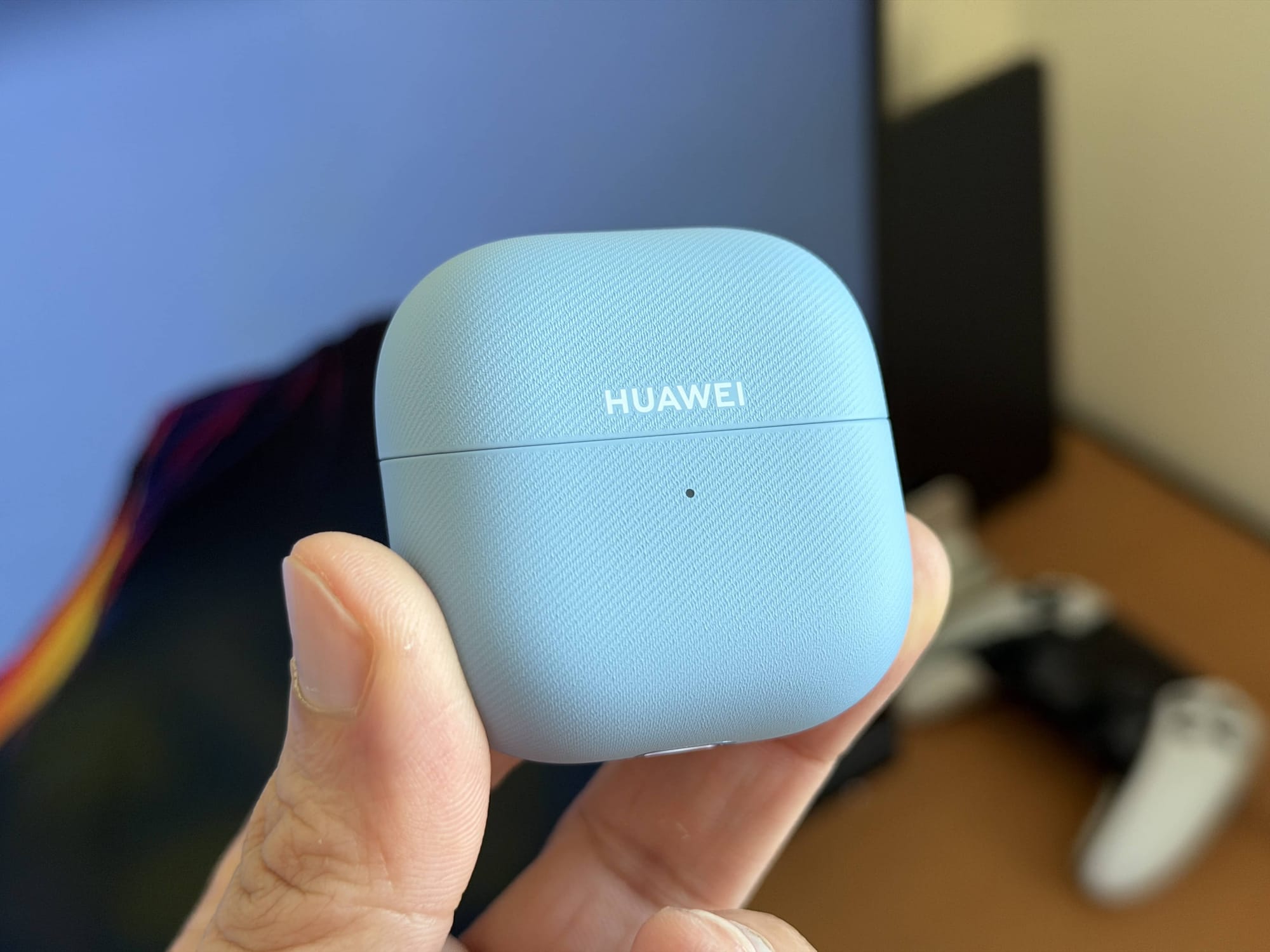
Build quality is solid, and I really like the material choice Huawei went with here. Instead of the usual plastic or soft-touch matte that eventually turns into a fingerprint magnet and picks up scratches, this one has a ribbed silicone-style coating that adds grip and seems to hold up better to everyday handling. It’s not the sort of thing you will spend time admiring, but it’s the sort of finish that makes sense when you are carrying something around daily.
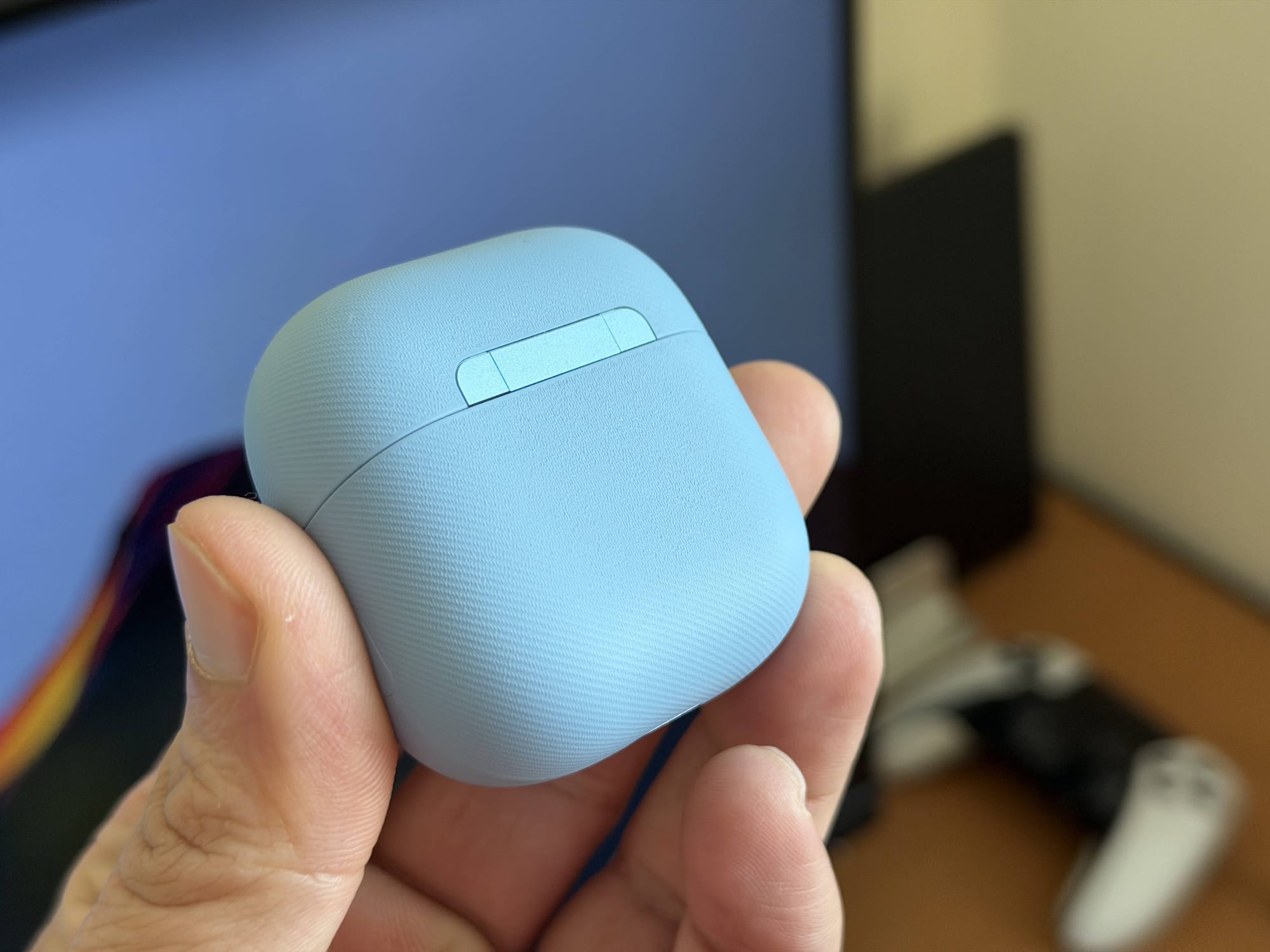
The one part I am not personally into is the baby blue colour I got for review - blue just isn’t my thing, it brings out my baldness. Thankfully, it also comes in black and white, which is great for those who want a more neutral colour.

The case layout is straightforward. There’s a USBC port at the bottom, a pairing button on the right side that sits flush with the body (easy to miss if you are not looking for it), and an LED indicator that shows the case’s charging level.
The iconic C-bridge Design returns, but it's now crafted from a more flexible shape-memory alloy that provides a secure yet gentle clamping force. This C-shaped frame connects two key components: the Comfort Bean, which rests snugly behind the ear, and the acoustic ball, which sits just outside the ear canal. Huawei says the material now has 25% greater flexibility than the previous model.
Each earbud is also very light at around 5.1g. In practice, that combination is what makes them work. They settle gently around your ear and sort of blend away the moment you put them on. For me, the silicone on the C-bridge also avoids the itchiness I sometimes felt with the Shokz OpenDots One, and the clamp force is also a little more forgiving while still feeling secure without adding pressure after an hour or two.
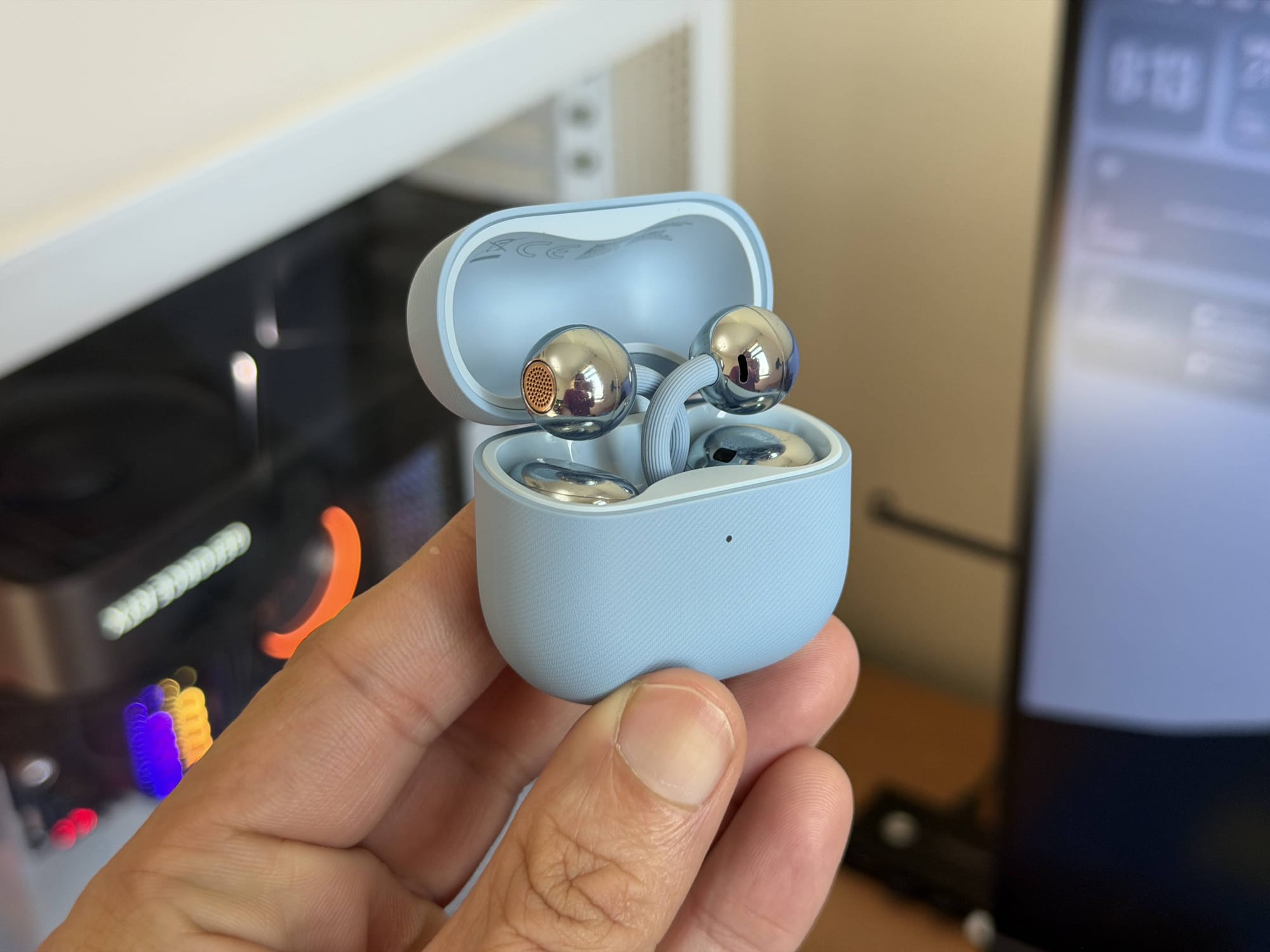
I have worn them for hours at a time, including stretches where I wasn’t actively listening to anything, and they just blend away and never make their presence felt.
Beyond comfort, the FreeClip 2 is built for an active lifestyle, boasting a robust IP57 rating for dust and water resistance. This means they can easily withstand sweat during a workout or an unexpected downpour.
Huawei also gets a lot of the quality-of-life stuff right. Auto left-right recognition means you don’t need to think about which earbud goes where, and it’s designed to adapt based on how you are wearing them.
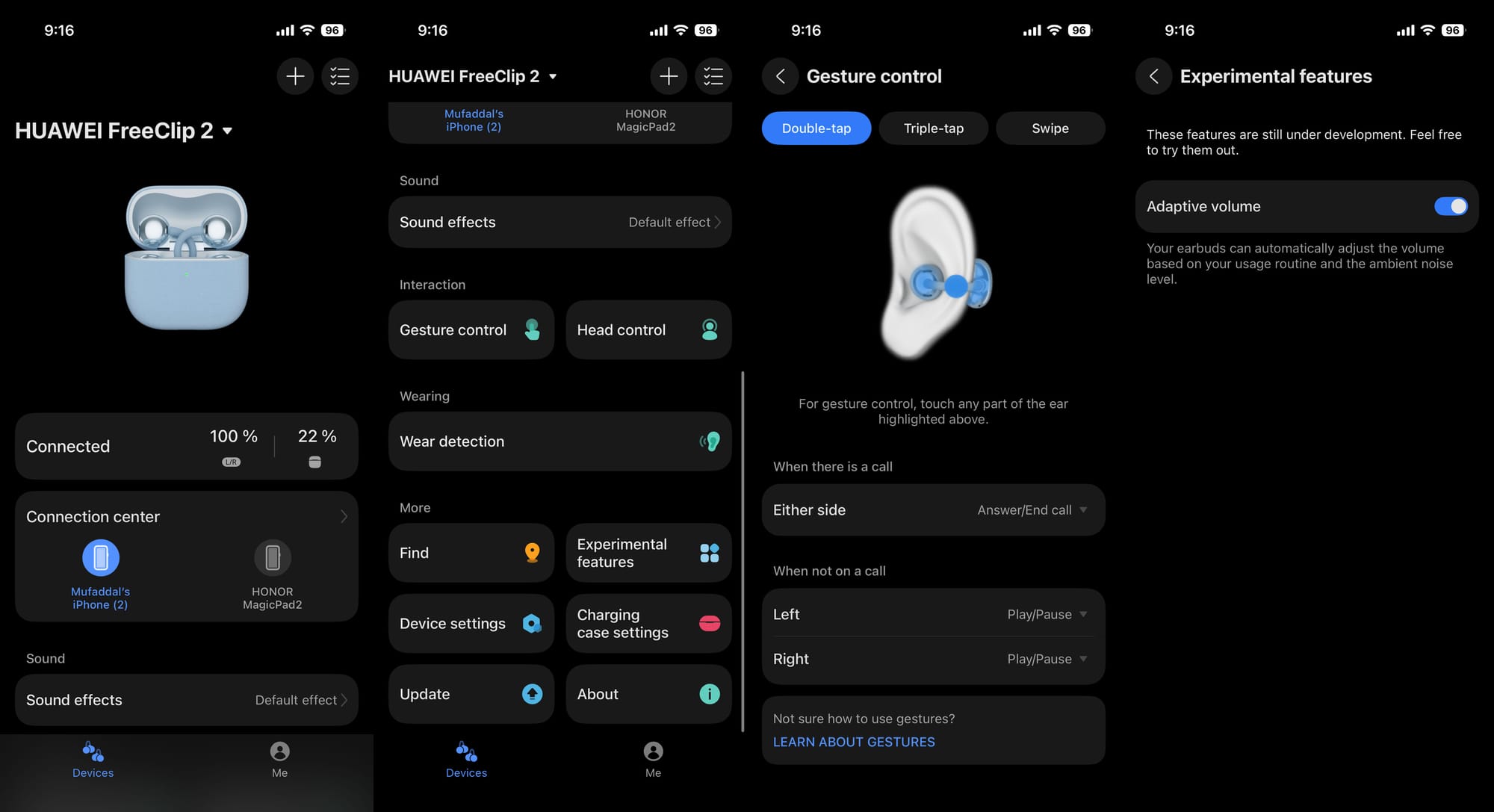
A suite of intelligent features drives functionality. Intuitive touch controls on the C-bridge, Comfort Bean, and acoustic ball make it easy to manage music and calls. There is a double- and triple-tap, which can be engaged by gently tapping the C-bridge closer to your ear. Volume control is handled with a swipe gesture to the battery compartment that sits behind your ear. Huawei also introduces smart head movement controls—nod to accept a call, shake to reject—which feel surprisingly natural in practice.
There is also a low-latency mode, but it only engages when it detects that a game is launched via the phone’s game mode or whatever it is called. This is a bit of a bummer because I did notice audio latency while streaming movies, and I wish the low-latency trigger would work there as well.
Sound Quality
Huawei has made significant strides with the sound quality of the FreeClip 2, directly addressing the critiques of its predecessor. The core of this upgrade is a powerful new dual-diaphragm driver housed within the acoustic ball. This advanced driver unit, featuring a "turbo" design, is engineered to improve responsiveness across the frequency range, delivering a much-needed punch to the low end.
Where these open-ear earbuds excel is in their spacious, airy soundstage. Music feels wide and immersive, with excellent separation between instruments and vocals. The mids and highs are crisp and detailed, allowing subtle nuances in tracks to shine through. This clarity helps audio cut through moderate background noise without forcing you to max out the volume.
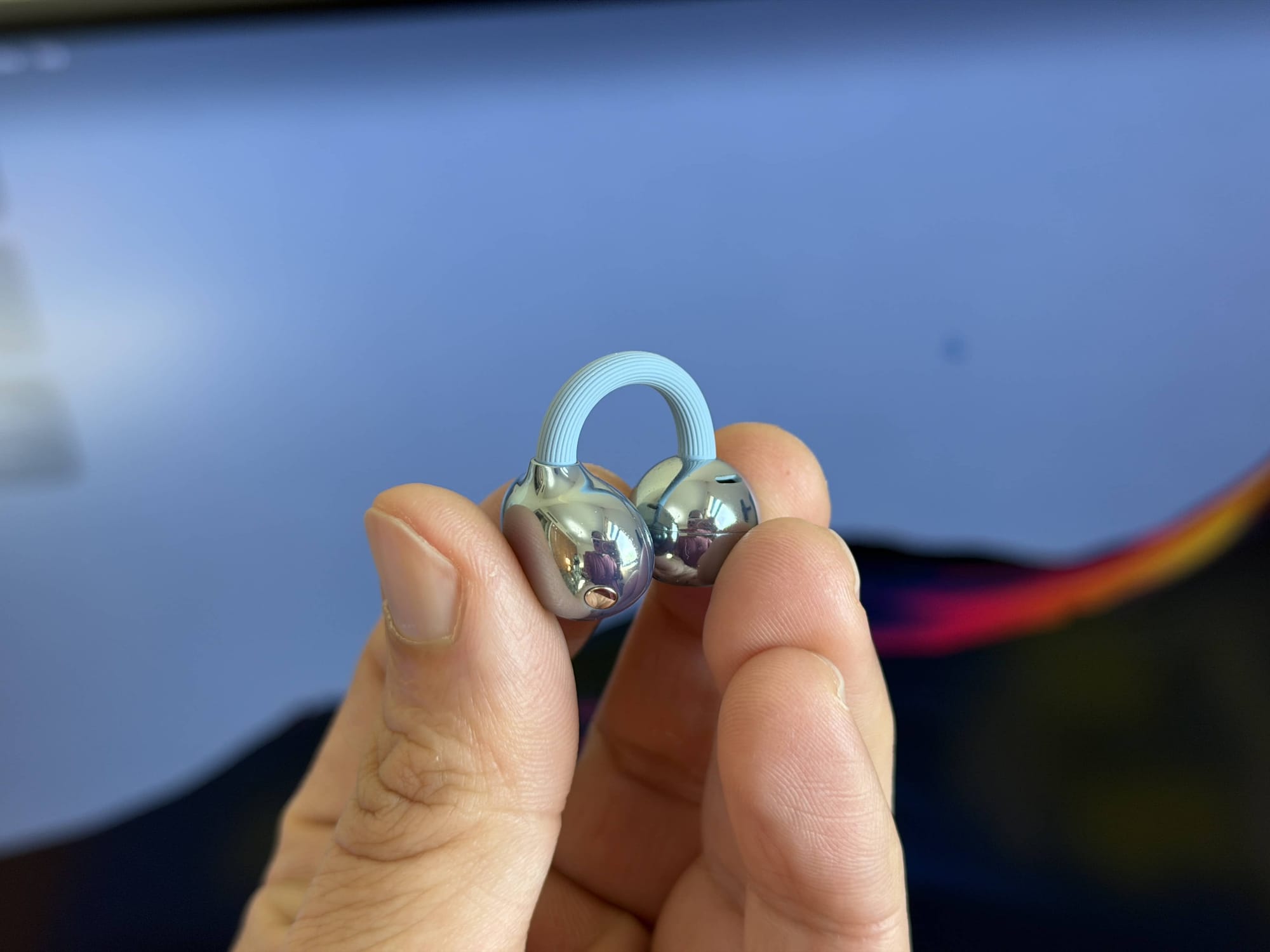
Volume is another strong point. Huawei says it has boosted the response and low-frequency power by 100% with this new 10.8mm dual-diaphragm driver setup, and while I will talk about the bass separately in a second, the overall loudness headroom is clearly there.
I used these in the gym and in windy conditions, and I didn’t feel like I was constantly battling the environment to hear what I was playing. With the Shokz OpenDots One, I often had to push the volume harder, and sometimes rely on extra processing with Dolby Atmos to feel like I had enough output. I didn’t run into that same frustration here.
Huawei also includes adaptive volume feature that uses an AI audio chip to intelligently adjust loudness based on your surroundings, ensuring your audio is always clear without constant manual adjustments. Huawei notes that it’s currently in a trial phase and disabled by default, so it’s not something you will necessarily be using out of the box. I did not feel any difference in volume whether I was at home or out taking a walk in December’s windy conditions.
Now for the main drawback, and it’s the one that will matter most depending on your taste: bass. Even with Huawei positioning this driver design as a fix for the usual open-earbuds weakness, bass still comes across as light in real listening, and the FreeClip 2 can sound thin on bass-driven music. The result is a slightly odd mix where you get this spacious, detailed presentation, but some tracks can feel like they are missing the foundation that makes them feel energetic - especially if you are using these for workouts and you want that low-end punch.
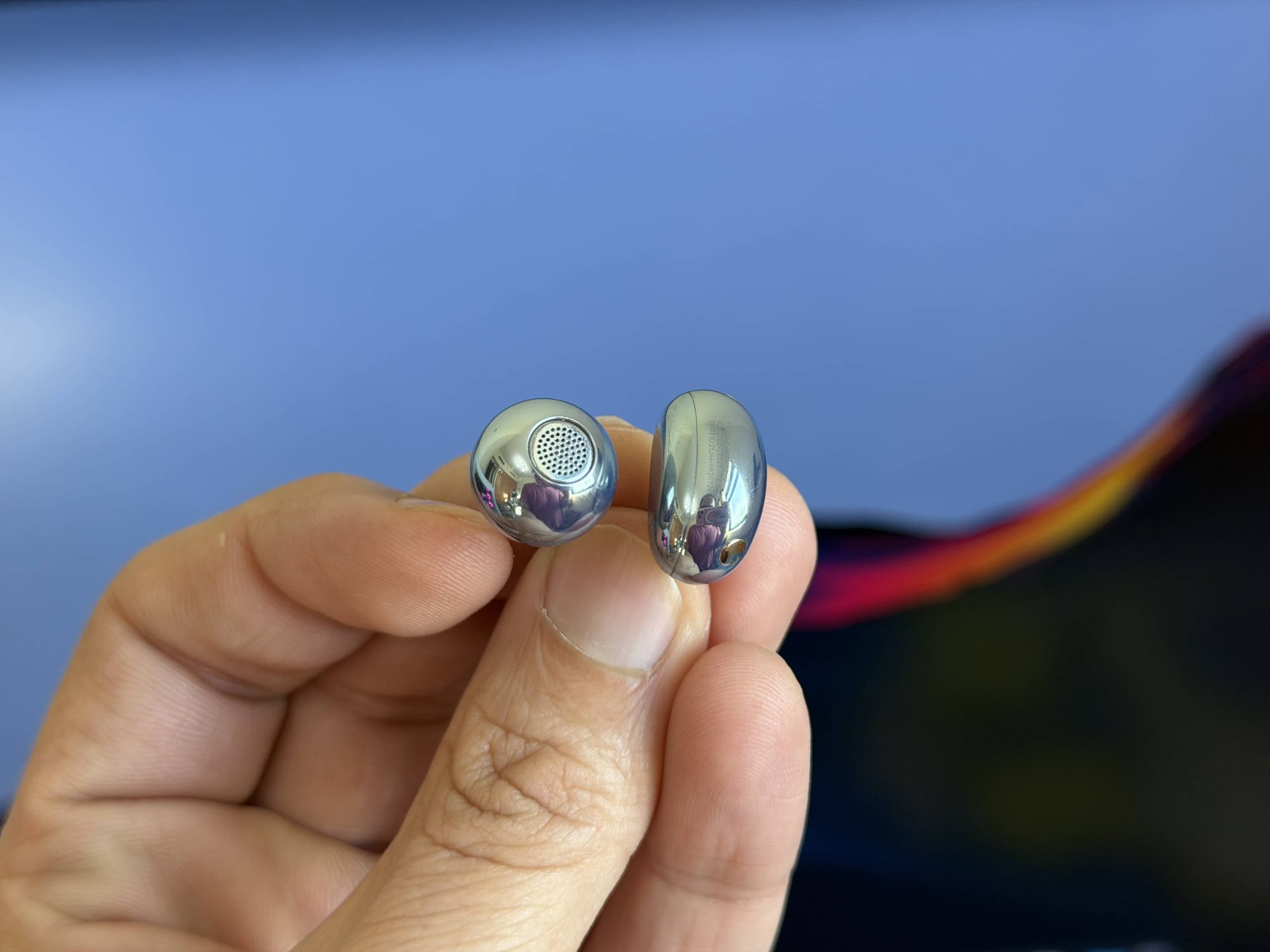
There’s also a small adjustment period with vocals, particularly with podcasts. At first, voices can sound a little unusual, like the tuning is emphasising clarity in a way that doesn’t feel fully natural if you are coming from straight from traditional in-ears. After some time, it starts sounding normal, but it’s noticeable early on if spoken word is a big part of your daily listening.
For calls, the FreeClips 2 is dependable. Huawei uses a three-mic setup alongside an upgraded DNN multi-channel fusion algorithm, and it’s powered by an NPU-based AI processor. Huawei even claims a big jump in processing power compared to before, all aimed at keeping speech clear while filtering out environmental noise.
In my use, the microphones pick up voice clearly enough for calls and day-to-day meetings, but there’s still a bit of compression to how you come through. I wouldn’t call it broadcast-quality, but it’s absolutely fine for normal calls, and it holds up better than I expected when you are outside.
As for audio leakage, there is plenty of it at high volumes despite the use of an anti-audio-leakage approach with a reverse sound-field acoustic system from Huawei. Thankfully, given how much volume these earbuds produce, you can lower the volume to reduce sound leakage in shared spaces without sacrificing overall sound quality.
Battery Life
Battery life is solid on the Huawei FreeClip 2, which is rated at up to 9 hours per charge from the earbuds, and up to 38 hours total with the case. Fast charging is there too: a 10-minute charge provides around 3 hours of use, which is excellent if you have forgotten to top up the device before you leave. And yes, the compact charging case also supports wireless charging.
In day-to-day use, the FreeClip 2 lasted a good week before it needed to be plugged in. My usage is a little on the lower side - around 2-3 hours per day - so your mileage may vary, but at the very least, you won’t be looking for a charger for a couple of days of heavy use.
Should You Buy the Huawei FreeClip 2
I think the Huawei FreeClip 2 is an extremely well-rounded product. It’s genuinely comfortable for extended wear, the case design is excellent and easy to carry, and the overall feature set feels like it was built around real daily use - auto left-right recognition, usable gestures, swipe volume control, head motion controls, and solid dual-device behaviour. The combination of its supremely comfortable C-bridge Design, significantly improved sound quality and Battery life make it a top contender in the open earbuds category.
These are the ideal wireless earbuds for specific users. If you're an office professional who needs to stay tuned into conversations, a runner or cyclist who prioritises safety, or someone who finds traditional in-ear buds uncomfortable, the FreeClip 2 is an excellent choice. Its call quality is another major selling point, with a sophisticated 3-mic system and AI-powered noise reduction that ensures your voice comes through with remarkable clarity, even when dealing with significant background noise.
However, it's important to set the right expectations. These are not for users seeking the deep, immersive isolation of active noise cancellation. Competitors like the Bose Ultra Open Earbuds offer a similar open-ear experience. Still, Huawei's focus on all-day comfort, intuitive controls like swipe volume control, and superior call clarity gives it a distinct edge. While the bass is much improved, audiophiles seeking the most powerful low-end response may still prefer a traditional sealed design. The Shokz OpenDots One gave me a more satisfying overall sound, though it didn’t always feel as confident on volume.
At AED 649, the Huawei FreeClip 2 succeeds by understanding its audience. It delivers on the promise of open-ear audio with very few compromises, offering a polished, practical, and enjoyable experience. If you value situational awareness and comfort above all else, these are not just a good option—they might be the best open-ear earbuds on the market today.
Written by

Subscribe to our newsletter
Subscribe to our newsletter to get the latest updates and news










Member discussion