
Honor Magic8 Pro Review
With its brilliant performance, a ridiculously good camera system, and two-day battery endurance, the Honor Magic8 Pro ends the year with a flagship that is right there with the best

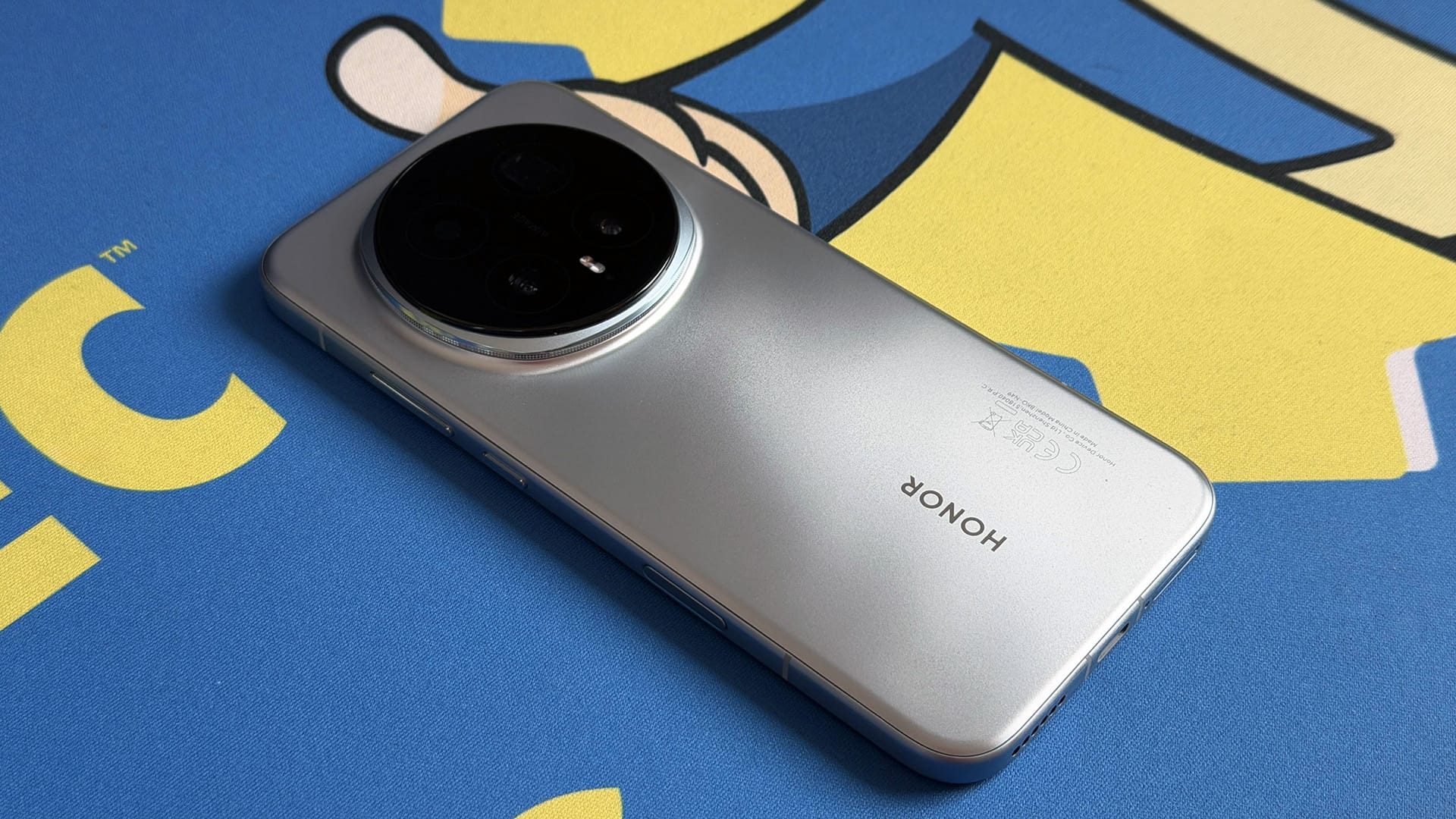
Rounding off the year is the Honor Magic8 Pro (AED 3999 or AED 4299 for the 16GB model), the latest flagship phone from Honor and likely the last major non-foldable release before we wrap up 2025.
With the global smartphone market showing renewed signs of life, growing 7% year-over-year in late 2023 according to Counterpoint Research, 2025, Honor is aiming to capture the attention of users who demand the best.
The Honor Magic 8 Pro boasts the formidable Snapdragon 8 Elite Gen 5 chipset, a stunning 6.71” LTPO OLED display, and a groundbreaking camera system with an “AI Button” that feels very familiar. Add a massive battery and a suite of intelligent AI features, and you have a device that promises not just to keep up, but to lead. Let's dig deep in this review of the Magic 8 Pro, from its design and display to its raw power and photographic prowess, to determine if it truly is the new benchmark for flagship phones.
Design, Display, and Features
Am I the only one who finds the design of the Honor Magic8 Pro a bit…bland?
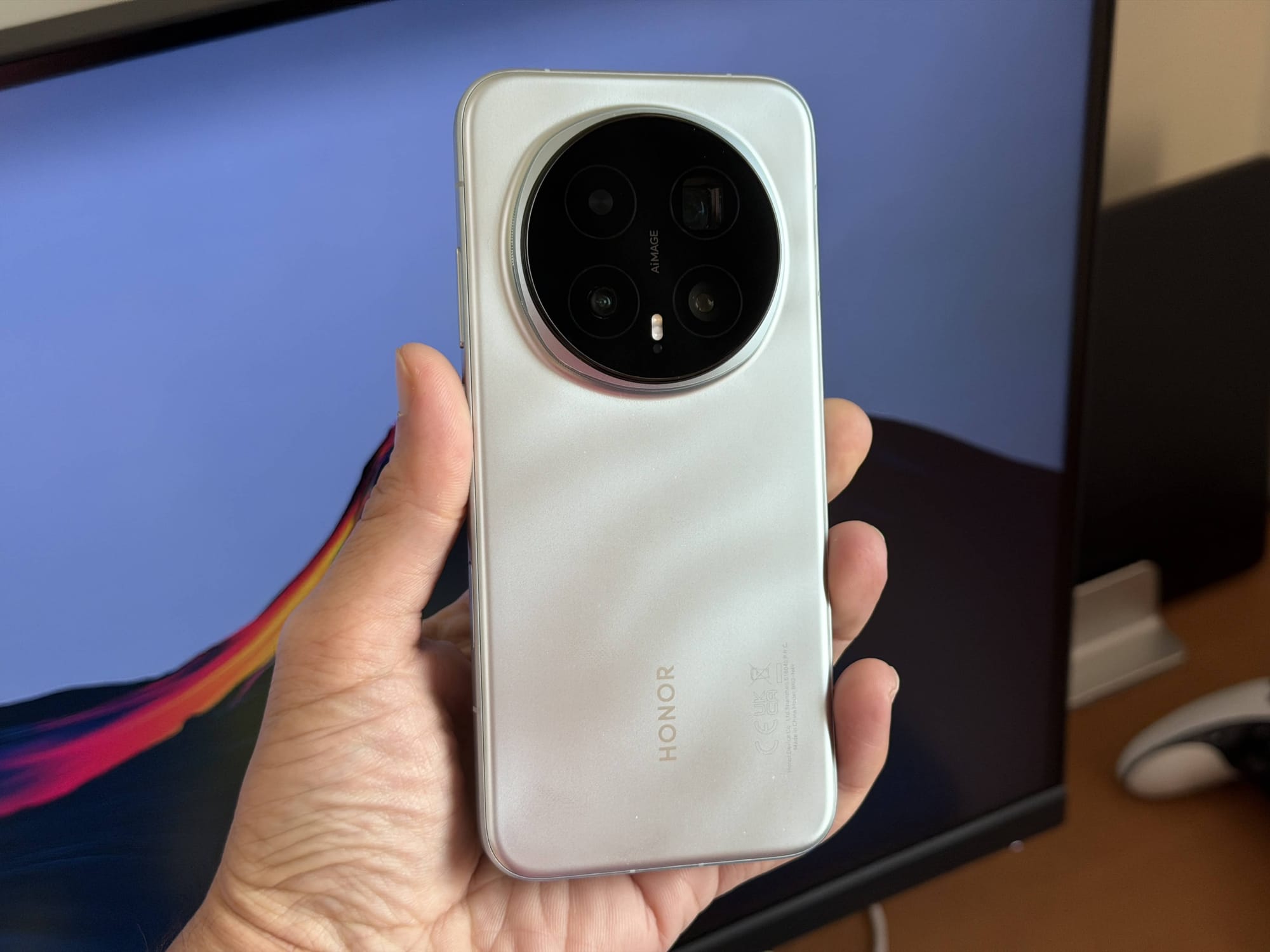
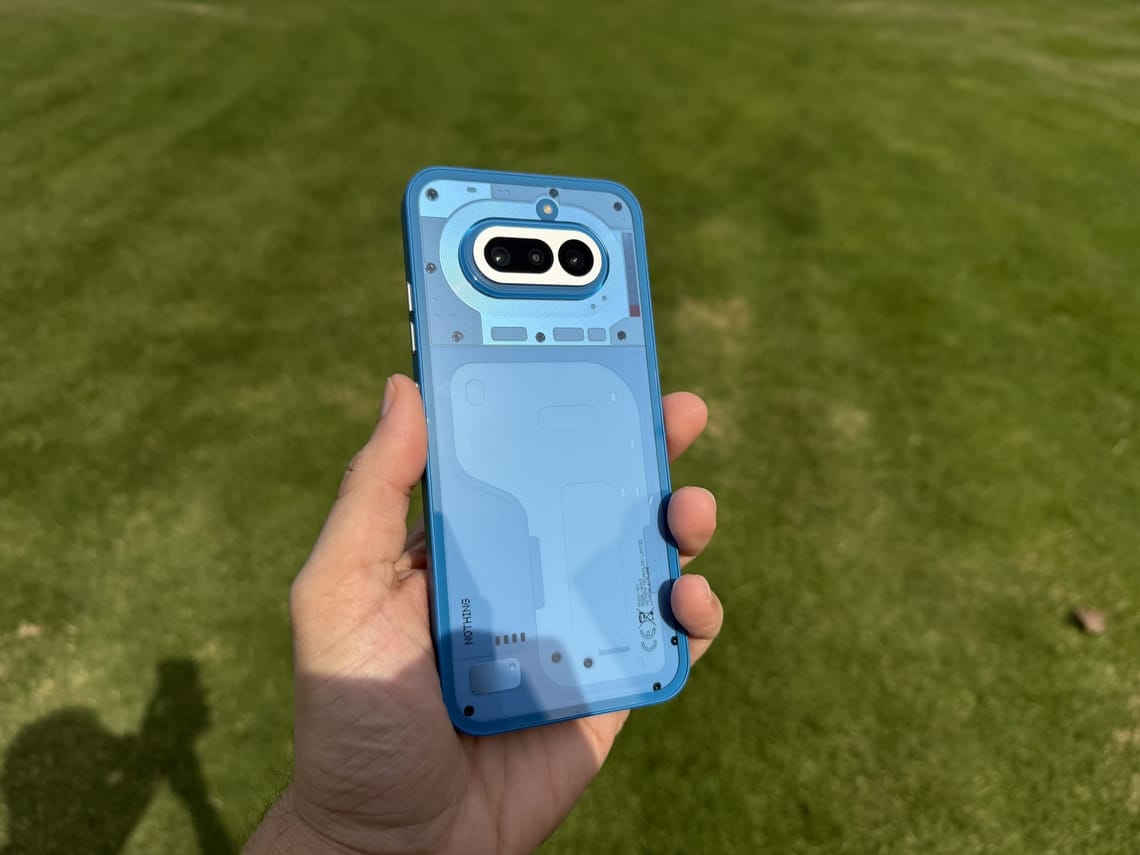
Or, maybe I am just used to the eccentric designs of the many phones I have reviewed this year, some that feature transparent backs with camera modules that look like a mutated spider, or eye searingly bold colours with a dual-tone cutout for the vapor chamber for some reason. So the Sunrise Gold and Sky Cyan which I recieved for review, look a bit basic and understated in comparison.
Honor has gone for a classic slab look with the Magic 8 Pro - simple, clean, and admittedly boringly functional. It’s not changed much from the Magic7 Pro, so I understand that they want to keep it in the “family”. It’s just that it doesn’t have a ‘flagship look’ to its design, like say the Magic V5 did, which certainly looked and felt like the price it commanded.
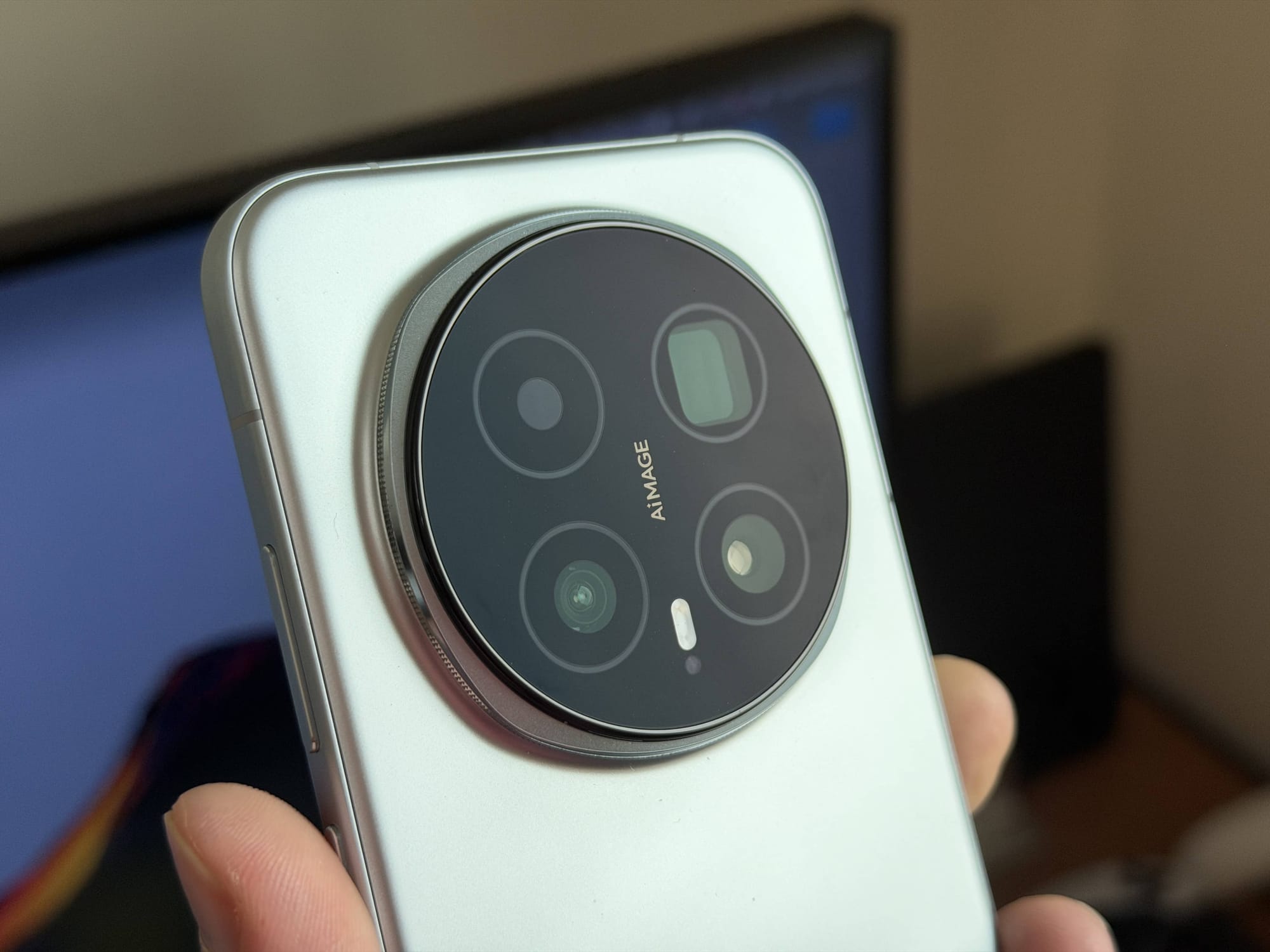
It’s not a bad design by any means, but it is heavy - top heavy. At 219g, although not the lightest around, it’s not that much heavier than my daily driver, the iPhone 17 Pro, but I felt uncomfortable using the phone throughout. There are two factors to this - the top heaviness almost certainly comes from the bulging camera module at the back that makes it a little ungainly in the hands.
The second is the curved screen. I am not a fan of such displays, and you can’t convince me otherwise, but my mind immediately makes me hold the device differently, wary of any ghost touches (though the phone does a good job of rejecting them most of the time).
This makes the phone awkward to hold - the weight sloping and slanting on my palm, while I struggle to convince myself that the curved screen won’t catch any unwanted touches. What helps is putting on the included plastic case, which alleviates all of the problems. The weight distribution becomes more even, and the screen's curvature disappears immediately. It feels so much nicer to hold and use the phone like that.
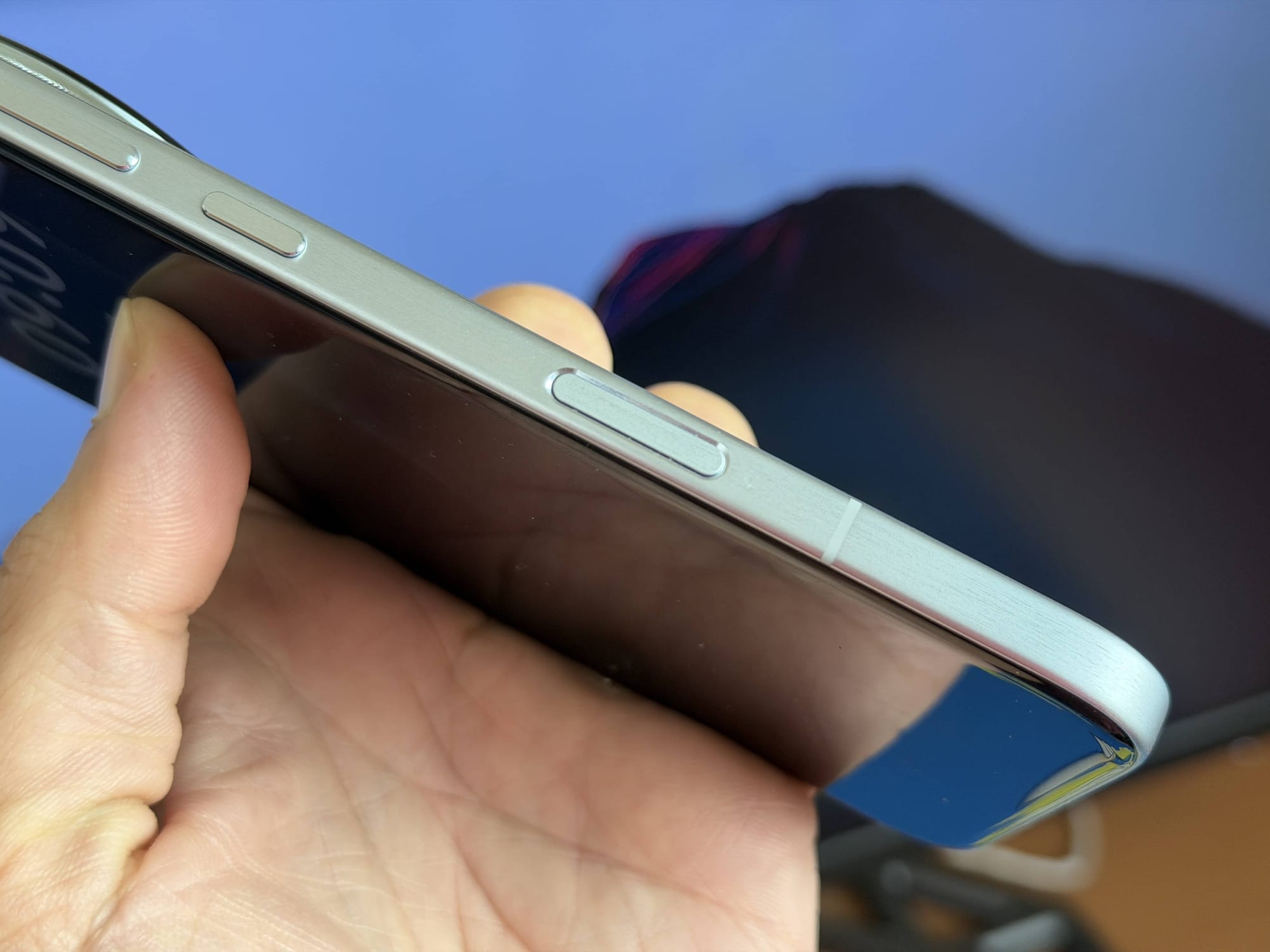
Elsewhere, the one new addition to the phone is the Honor AI Button, which is almost directly inspired by the camera button Apple introduced with the iPhone 16 series. It looks, is sized and placed exactly like that, but in typical Honor fashion, they made it much more useful than Apple would ever be willing to admit that it could be.
The AI Button can be configured to launch different functions on a single press, double press and a long press, but the quirk is that you can only launch different AI modes from Honor, such as the AI Memories, AI Phone Agent, AI Screen Suggestions, and Google Lens, along with the camera, of course. While I appreciate the flexibility, I do wish the button could be mapped to regular apps. I feel like it would have been far more useful as a multi-functional button instead of just launching various Honor AI apps.
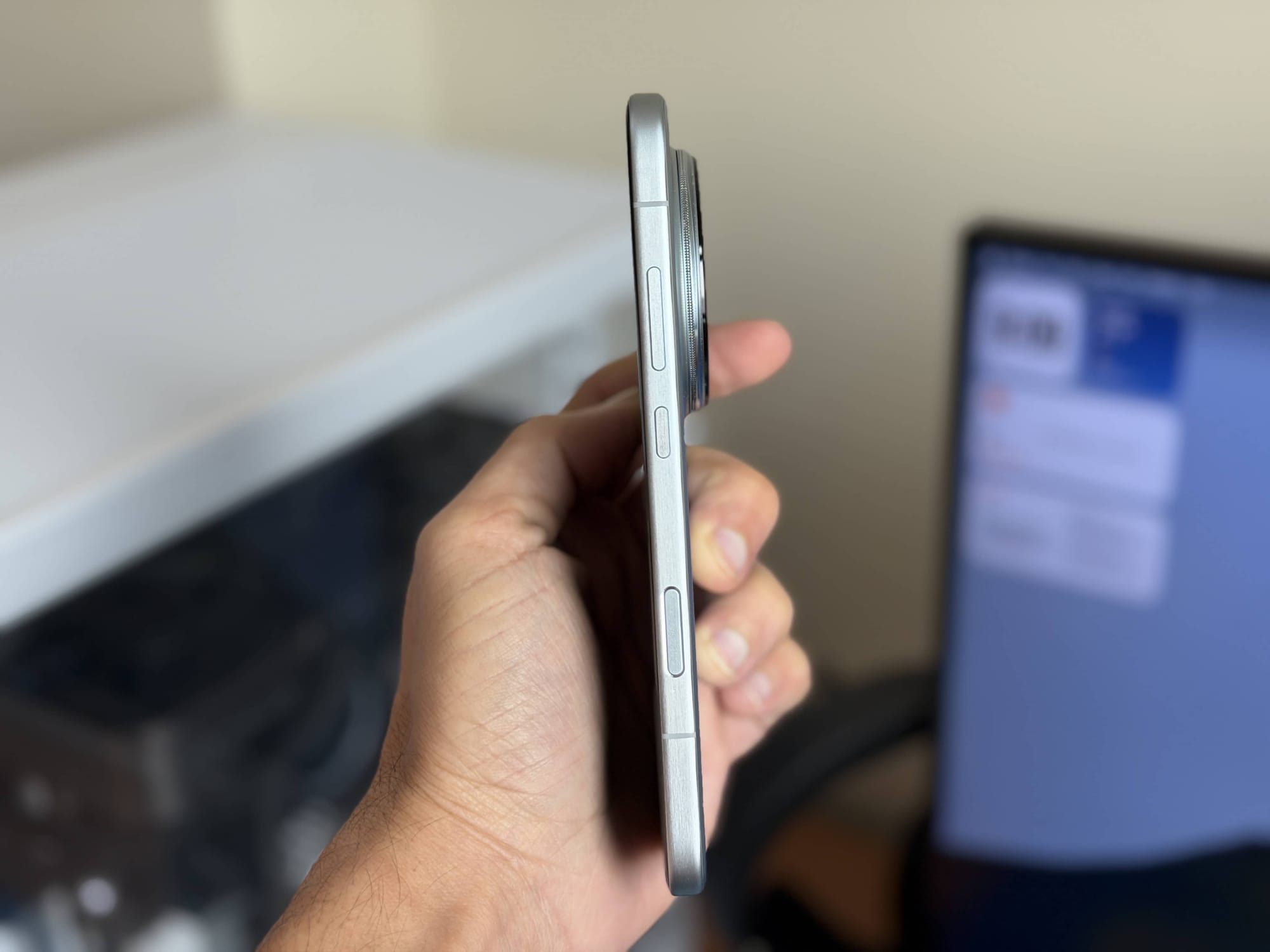
Everything else remains the same - there are the power and volume buttons on the same side as the AI Button, while the left side is kept clean. At the bottom, you will find a speaker grill, a USB-C 3.2 port for charging, a SIM card tray, and on the top, you have an IR Blaster along with another speaker grill.
Speaking of speakers, it’s top-notch. One of the best I have heard from a smartphone, in fact. I guess the top speaker not being embedded inside the display helps a lot, but the audio quality is loud, clear, with a hint of bass and sharp details. It’s great for watching YouTube videos and maybe even some casual music listening, and if you turn on the Dolby surround sound, it does give some semblance of spatial awareness.
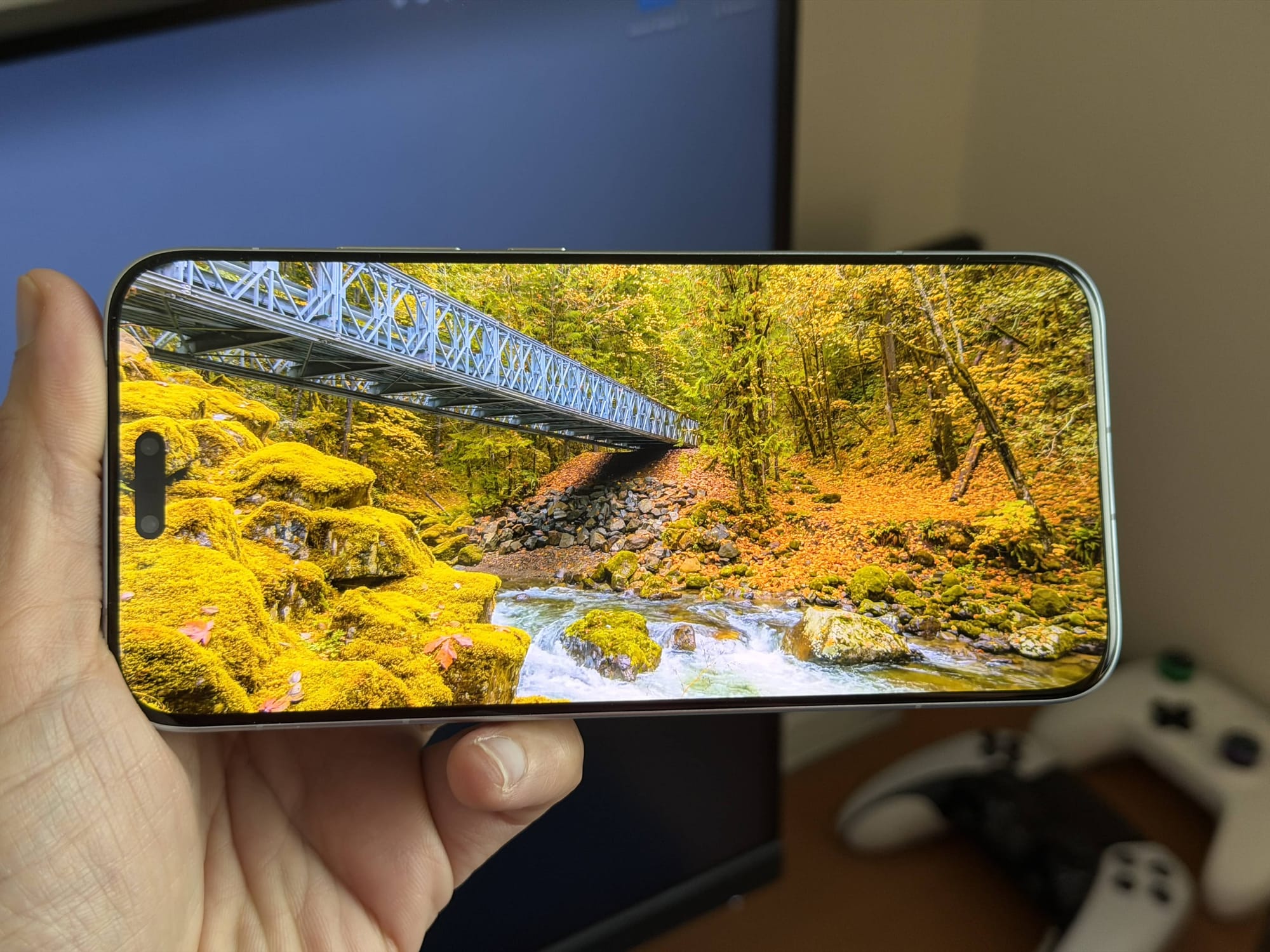
The speakers are paired with a 6.71” LTPO OLED panel, which is expectedly great. All the OLED panels in smartphones are great these days, so it’s not surprising. This one can do 1800nits in HBM and a staggering 6000nits peak, and also supports 120Hz refresh rate, Dolby Vision, HDR Vivid, and ultra-high frequency 4320Hz PWM dimming.
Camera
A few clicks with the camera system on the Honor Magic8 Pro shut me up about the whole bulging back and the device being top-heavy. Who cares when the cameras are this good? We can always count on Honor shipping some excellent cameras for their flagships, and the Magic8 Pro is just as wildly good as you expect.
The phone features a 50MP main camera with an f/1.6 23mm lens and OIS and a 200MP Ultra Night Telephoto Camera. This periscope telephoto lens offers an impressive 3.7x optical zoom and leverages its massive sensor and f/2.6 aperture to capture astonishingly detailed and clean shots from a distance, even in low light. The third lens in the array is a 50MP ultrawide snapper with a 122-degree field of view, perfect for capturing expansive landscapes or large group shots without distortion.
The primary camera is capable of taking great shots in the right hands (certainly not mine), capturing highlights, dynamic range, and colour contrasts extremely well while keeping most details intact, in direct sunlight and indoor conditions. The only complaint I have is that you can see some hints of over-sharpening when you zoom into shots for detail, which I am not particularly fond of.









The 200MP telephoto lens is arguably my favourite aspect of the cameras. It uses an actual 3.7x 85mm lens, and can take shots at up to 10x without any noticeable loss in quality. The range it provides, and the capacity to retain colours, highlights and details, make framing shots a whole lot easier, knowing that you will get great results regardless.
Beyond 10x, you will have to rely on AI generation to boost the image quality, the results of which will vary depending on the subject captured. It’s great for boosting known details like building material, greenery, etc, but any kind of fine detail like text will be lost in literal translation.









Honor has infused the camera experience with a suite of intelligent AI features. The proprietary Night Engine works in tandem with the powerful sensors to produce stunning night shots with minimal noise and excellent light preservation.






Beyond capturing the moment, the phone helps you perfect it with sophisticated AI editing tools and organizes your gallery with AI memories, which intelligently curates albums based on events, people, and places. In a nod to responsible innovation, Honor has also included AI Deepfake detection, a crucial step in AI governance that helps verify the authenticity of media. This comprehensive camera package makes the Magic 8 Pro a creative powerhouse for amateurs and professionals alike.
Software and Performance
At the core of the Honor Magic8 Pro is the cutting-edge Qualcomm Snapdragon 8 Elite Gen 5 SoC, a chipset built to deliver uncompromising performance. Paired with up to 16GB of RAM (with a 12GB RAM base model) and lightning-fast UFS 4.1 storage, this flagship phone feels incredibly responsive and fluid. Everyday tasks, multitasking, and navigating the interface are executed with an immediacy that sets a new standard for Android devices.
The raw power of the Snapdragon 8 Elite Gen 5 is evident in synthetic benchmarks and real-world use. According to Geekbench 6 tests, the device posts impressive scores that put it in direct competition with the best from Apple and Samsung, ensuring it can handle the most demanding applications and graphically intensive games without breaking a sweat.
| Benchmark | Score |
|---|---|
| 3DMark Steel Nomad Light | 2932 |
| 3DMark Solar Bay Extreme | 1182 |
| 3DMark Wildlife Extreme | 7551 |
| Geekbench 6 CPU - Single Core | 1044 |
| Geekbench 6 CPU - Multi Core | 5342 |
| Geekbench 6 GPU | 23647 |
| Geekbench AI (GPU) | 3950 |
This powerhouse hardware runs MagicOS 10, Honor's refined user interface built on top of Android 16. The software feels familiar to previous versions but offers subtle improvements in smoothness and functionality. I already mentioned the dedicated AI Button on the side of the device which provides instant access to a suite of AI tools, including Google's Gemini assistant and Honor's own on-device features, making intelligent assistance more accessible than ever.
One of the big visual additions is Zero-Gravity Transparency, which applies translucent layers across menus, notifications and the lock screen. Again, the design influence is clear - Apple’s Liquid Glass aesthetic - but the implementation here is more subtle, leaning towards mild transparency rather than a full visual overhaul.
AI Memories automatically stores screenshots and text saved from webpages and arranges them into a searchable memory list. It feels a bit undercooked - more like a passive scrapbook than a productivity tool, and kind of reminds me of a less feature-rich Nothing Essential Space. It doesn’t summarise, categorise or intelligently resurface anything; it just stores. I didn’t find much use for it, except for maybe saving webpages in text form for easy shareability.
Magic Portal, however, continues to be one of the best features in Honor’s software. The ability to drag content - text, images, screenshots - from one app into another app’s floating target is incredibly fluid, and makes sharing content so easier and intuitive.
The biggest drawback of MagicOS continues to be the bloat. Honour pre-installs a barrage of first-party apps, suggested categories, and even third-party apps like Facebook, LinkedIn, UAE Pass, etc. Most can be removed, but I certainly don’t want to spend 10-15 minutes hunting down unwanted apps after setting up a flagship device.
Connectivity is thoroughly future-proofed. The Magic 8 Pro supports Wi-Fi 7 for the fastest possible wireless speeds and robust 5.5G connectivity with Etisalat- the first in the region. This is particularly important as global 5G adoption continues to soar, with connections growing four times faster than 4G at a similar stage, as reported by IoT Now, 2025. Honor also includes its proprietary C1+ RF Enhanced chip, which intelligently boosts signal reception in areas with weak network coverage, ensuring a more stable and reliable connection.
Battery Life
If there's one area where the Honor Magic8 Pro decisively pulls ahead of the competition, it's battery life. Honor has equipped the global variant with a massive 7,100mAh battery, a capacity that dwarfs nearly every other mainstream flagship on the market.
The secret lies in the second-generation Silicon-Carbon battery technology. This advanced chemistry allows for a higher energy density than traditional lithium-ion batteries, meaning Honor can fit more capacity into a relatively slim chassis.
In my usage, which included doom scrolling, messaging, web browsing and tons of YouTube videos, the phone comfortably lasted two full days on a single charge, and still had around 15% left in the tank at the end of the second day. This endurance makes the Magic 8 Pro an ideal companion for travelers, power users, and anyone who values reliability.
When it is finally time to recharge, the experience is just as impressive. The device supports 100W wired charging, which can replenish the battery in a remarkably short time, and 80W wireless charging for added convenience. It also features reverse wireless and 5W reverse wired charging, allowing it to power up other devices like earbuds. The only drawback is the lack of Qi2 support - no magnetic alignment for accessories, which is indeed a bummer.
Should You Buy the Honor Magic8 Pro?
The Honor Magic8 Pro gets the fundamentals so incredibly right that it's hard not to recommend it. The Snapdragon 8 Elite Gen 5 delivers performance that matches any flagship phone that Samsung or Apple can throw at it.
The camera system, anchored by the spectacular 200MP telephoto lens is one of the best I have used. And then there is the battery—the colossal 7,100mAh battery - possibly the highest capacity in its category, easily lasts two days, and gives both the Samsung S25 Ultra and the iPhone 17 Pro a run for their money.
Sure, the bland design won't turn heads like the other more decorated flagships, the curved display remains an unnecessary annoyance, and uninstalling bloatware on a flagship device shouldn't be part of the setup experience.
But none of those issues fundamentally undermines what makes this phone excellent, with MagicOS still remaining a top-tier Android experience and the new chipset maintaining its butter-smooth performance.
Honestly, the Honor Magic 8 Pro truly nails what a flagship phone should be and in many ways and confidently earns its place among the best smartphones of the year.
Written by

Subscribe to our newsletter
Subscribe to our newsletter to get the latest updates and news







Member discussion