
Google Nano Banana name origin: The funny story behind the AI
Google's AI image generator has one of the strangest names in tech. Here is the late-night story behind how Nano Banana got its identity.

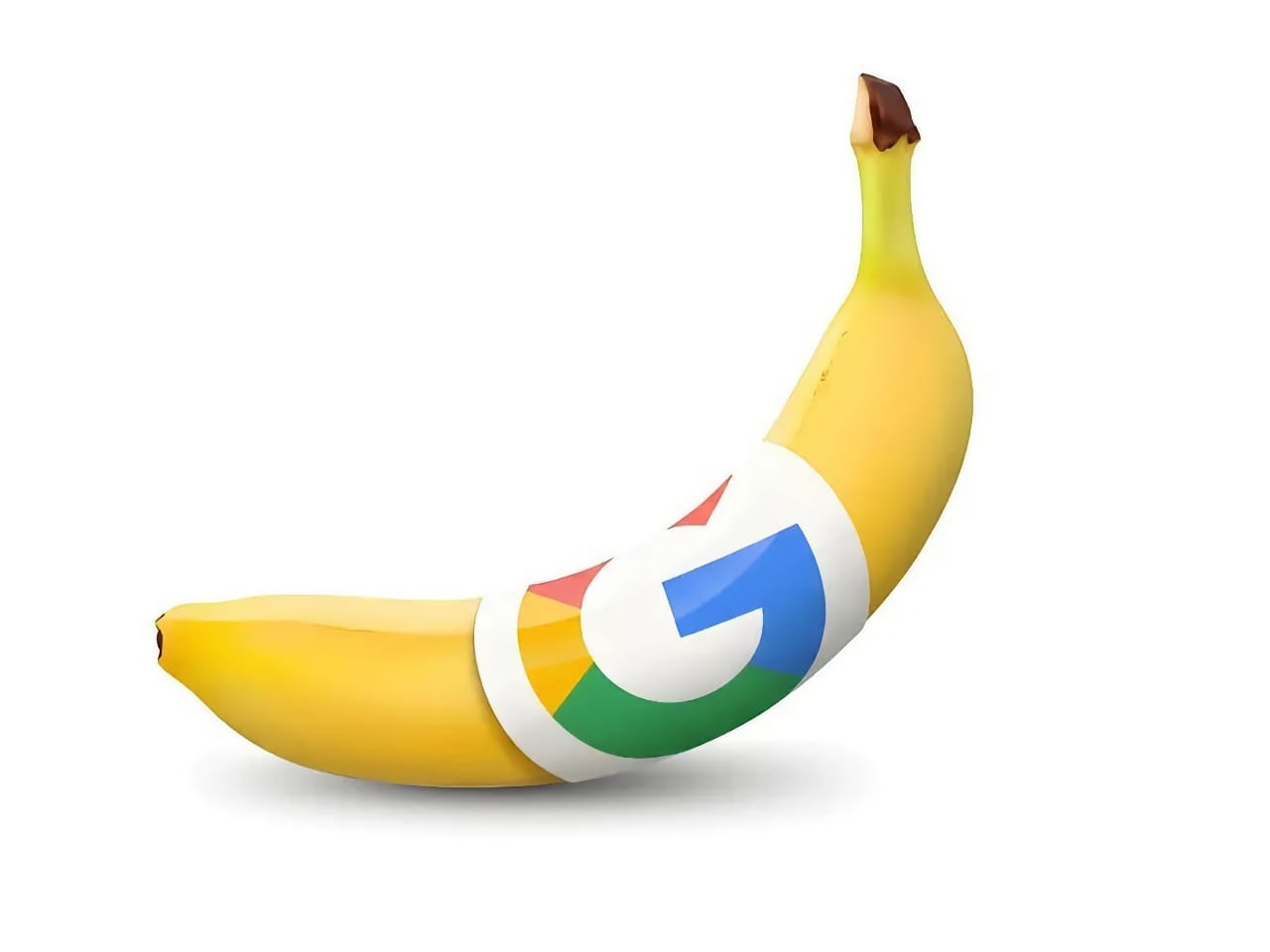
Google's AI image generator, Nano Banana, has arguably one of the most memorable names in the industry. According to a PCMag report, the quirky moniker wasn't the result of a million-dollar branding study, but rather a late-night joke that stuck. The tool, which is part of the Gemini ecosystem, has generated over 5 billion images since its launch in August 2025.
While competitors often stick to technical names or abstract concepts, Google's choice stands out. The backstory involves a deadline, a blind test, and a Product Manager with a very specific set of nicknames.
KEY TAKEAWAYS
Named after Product Manager Naina Raisinghani's nicknames ('Nano' and 'Naina Banana').Originally a codename for blind testing on the LMArena platform.Replaced the internal technical name 'Gemini 2.5 Flash Image'.Nano Banana Pro has since launched, generating 1 billion images in under two months.
How the name happened
The story begins with a need for secrecy. Google wanted to test its new image generation model on LMArena, a public platform that conducts blind comparison tests of AI models. Using the official technical name, "Gemini 2.5 Flash Image," would have immediately revealed the creator, defeating the purpose of a blind test.
The team needed a codename, and they needed it fast. During a late-night discussion to finalise the submission, the pressure was on. "At 2:30 a.m., one of the PMs messaged me saying we needed to submit it, and I said, ‘OK, how about something funny like ‘Nano Banana'?" said Naina Raisinghani, a Product Manager at Google.
The name was approved immediately, likely due to the exhaustion of the team at that hour. It was a stark departure from the serious naming conventions usually seen in the sector, contrasting with updates like ChatGPT's recent changes.
The meaning behind Nano Banana
The name isn't entirely random. Raisinghani explained that it is a portmanteau of her own nicknames. "Some of my friends call me Naina Banana, and others call me Nano because I’m short and I like computers. So I just smushed my two nicknames together."
What started as a placeholder for testing became the product's official identity. When the model launched publicly within Gemini, Google leaned into the branding, giving it a peeled-banana logo and turning the interface button yellow. The naming convention has even continued with the successor model, Nano Banana Pro.
Nano Banana availability in UAE
For users in the UAE, Nano Banana is available as part of Google's Gemini suite. You can access the image generation features through the Gemini app or web interface. While Google hasn't released a standalone "Nano Banana" app, the model powers the image creation capabilities within their ecosystem.
As AI tools continue to evolve, from image generators to mobile app builders, the branding landscape is clearly shifting towards more personable identities. Nano Banana is proof that sometimes a 2am joke can become a global product name.
Availability: Available now within Gemini
Price: Free (basic) / Part of Gemini Advanced subscription
FAQs
What is Google Nano Banana?
Nano Banana is Google's AI image generator model, which operates within the Gemini ecosystem. It was originally a codename that became the official product name upon release.
Who named Google's Nano Banana AI?
The AI was named by Google Product Manager Naina Raisinghani. She suggested it as a joke during a late-night deadline for a blind test submission.
Why is it called Nano Banana?
The name is a combination of Raisinghani's personal nicknames. Friends call her 'Nano' because she is short and likes computers, and 'Naina Banana' as a rhyme for her first name.
Is Nano Banana available in the UAE?
Yes, Nano Banana is available in the UAE. It is not a standalone app but functions as the underlying model for image generation within Google Gemini.
Written by

Subscribe to our newsletter
Subscribe to our newsletter to get the latest updates and news










Member discussion