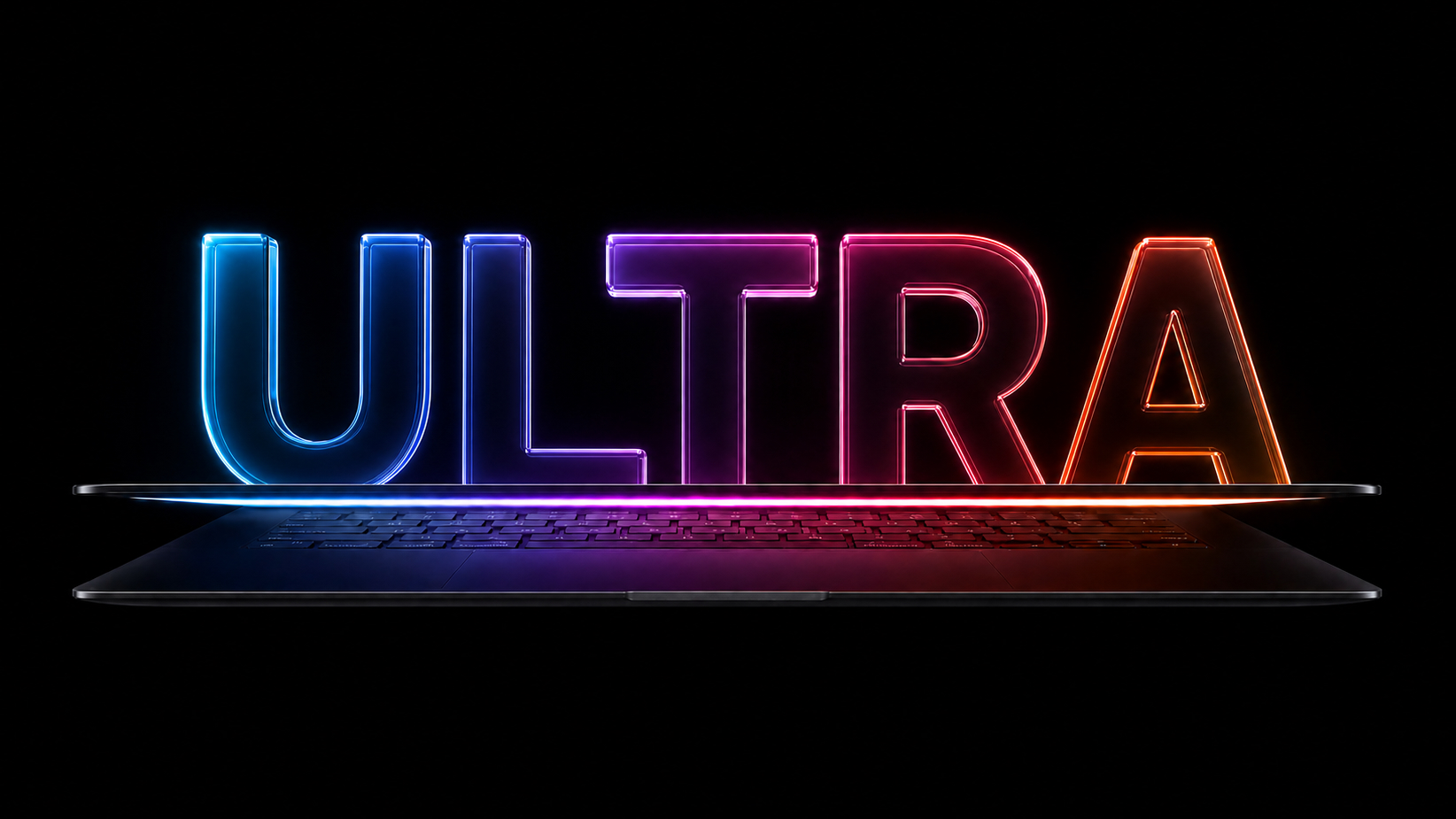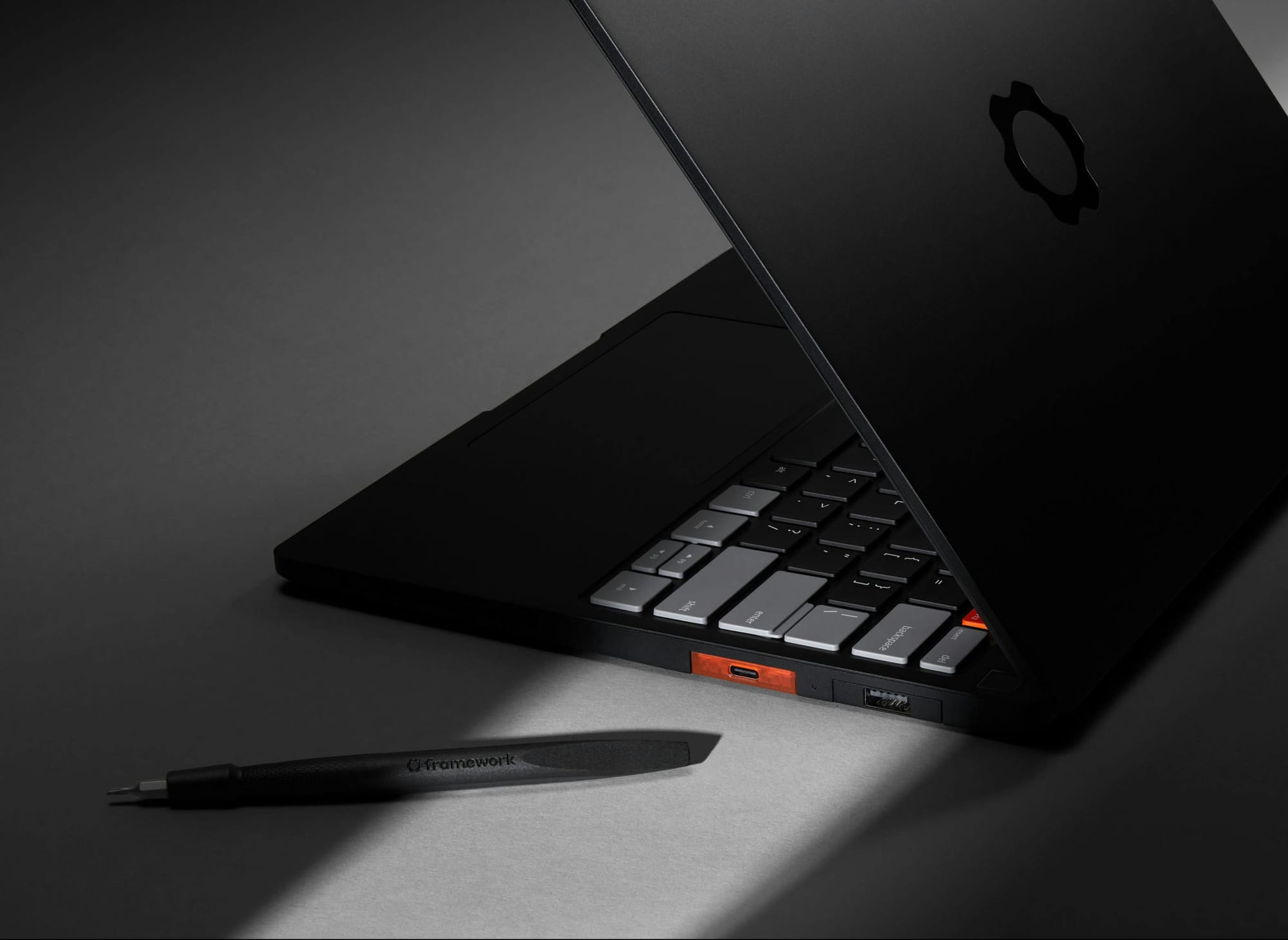
Framework has launched the Laptop 13 Pro, positioning it as “the MacBook Pro for Linux users” with a Core Ultra 3 processor and 20-hour battery life claims. The modular laptop features a custom 30-120Hz VRR screen and represents Framework’s push into premium Linux computing in April 2026.
Key Takeaways
- Framework Laptop 13 Pro features Core Ultra 3 processor and claims 20-hour battery life.
- The modular laptop includes a custom 30-120Hz VRR screen and LPCAMM2 memory.
- Framework markets it as ‘the MacBook Pro for Linux users’ with full repairability.
- UAE availability and pricing remain unannounced for this niche but growing market.
- The launch includes new accessories like first-party eGPUs and expansion cards.
What makes the Framework Laptop 13 Pro different?
According to Framework’s announcement, the Laptop 13 Pro delivers a 22% larger and denser battery than its predecessor, claiming 20 hours of 4K Netflix playback — potentially outlasting Apple’s M5 MacBook Pro. The custom VRR screen operates at 30-120Hz, adapting to content for better battery efficiency.
The laptop uses LPCAMM2 compression-mounted memory, a newer standard that saves space whilst maintaining upgradeability. This fits Framework’s modular philosophy — every component can be swapped, upgraded, or repaired without voiding warranties.
Beyond the laptop itself, Framework announced first-party eGPUs for serious graphics work, one-piece touchpad-keyboard decks for the Laptop 16, and a 10Gbps Ethernet expansion card. There’s even a “couch keyboard” designed for living-room PC setups.

Why Framework targets Linux users specifically
According to The Verge’s coverage of the San Francisco launch event, Framework emphasised right-to-repair and modular ownership throughout the presentation. Linux users historically value these principles — they prefer control over their software and increasingly their hardware.
With Linux gaming reaching new heights, there’s growing demand for laptops that ship with Linux or at least guarantee full compatibility. Framework delivers both — no Windows licence tax and no driver lottery.
The company’s modular approach also appeals to sustainability-focused professionals. Instead of replacing an entire laptop when the battery degrades or you need more storage, you swap the relevant module. It’s the opposite of planned obsolescence.
Core Ultra 3 processor performance expectations
According to Intel’s specifications, the Core Ultra 3 represents their latest architecture focusing on AI acceleration and improved efficiency. Framework’s choice suggests they’re targeting professional workflows rather than basic productivity tasks.
The 20-hour battery claim, if accurate, would challenge current ultrabook champions. Apple’s M5 MacBook Pro typically manages 15-17 hours in real-world usage, so Framework’s 22% battery increase could genuinely deliver superior endurance.
However, battery life claims always require real-world testing. Netflix playback differs significantly from compiling code, running virtual machines, or intensive development work that Linux users often demand.
Should you consider the Framework Laptop 13 Pro?
Based on Framework’s track record, this laptop suits developers, Linux enthusiasts, and anyone prioritising repairability over mainstream polish. The modular design means you’re investing in a platform, not just a laptop — modules upgrade over time.
For UAE buyers, Framework remains niche but growing. The company’s direct-sales model means no local retailers yet, but their community-driven approach resonates with tech professionals who value control over convenience.
The catch? Pricing remains unannounced, and Framework’s previous laptops commanded premium prices for their modularity. If you’re comparing against current laptop deals, wait for concrete numbers before deciding.
Framework Laptop 13 Pro availability in UAE
Framework hasn’t announced UAE pricing or availability dates for the Laptop 13 Pro. The company typically sells direct through their website with international shipping, though warranty service requires sending devices to their repair centres.
Previous Framework laptops started around $1,000-1,500 globally, suggesting the Pro model could exceed Dhs 6,000 when it reaches the region. Local Linux communities and developer groups represent the primary audience in UAE.
Framework’s modular approach particularly appeals to professionals working in Dubai’s growing tech sector, where sustainability and right-to-repair align with corporate responsibility goals.
Frequently Asked Questions
What is the Framework Laptop 13 Pro?
The Framework Laptop 13 Pro is a modular laptop from Framework featuring a Core Ultra 3 processor, custom VRR screen, and full repairability. Framework markets it as “the MacBook Pro for Linux users.”
What are the key features of the Framework Laptop 13 Pro?
Key features include a Core Ultra 3 processor, 20-hour battery life claims, custom 30-120Hz VRR screen, LPCAMM2 memory, and full modularity allowing component upgrades and repairs.
Is the Framework Laptop 13 Pro available in the UAE?
Framework hasn’t announced UAE availability or pricing yet. The company typically ships internationally through their website, appealing to developers and Linux enthusiasts in the region.
How does Framework Laptop 13 Pro compare to MacBook Pro?
Framework claims 20-hour battery life versus MacBook Pro M5’s typical 15-17 hours. The key difference is modularity — Framework components are user-replaceable and upgradeable.