Electric vehicle batteries are holding up better than many drivers expect. The Ars Technica report on a new Aviloo study says most used EVs retained about 90% of their original usable battery capacity after 150,000km.
The study analysed more than 500,000 independent battery-health tests across 20 popular EV models between 2022 and 2026. Median usable capacity at 150,000km ranged from 87% to 94%, while results at 50,000km ranged from 91% to 97%.

EV battery health varies by model and car
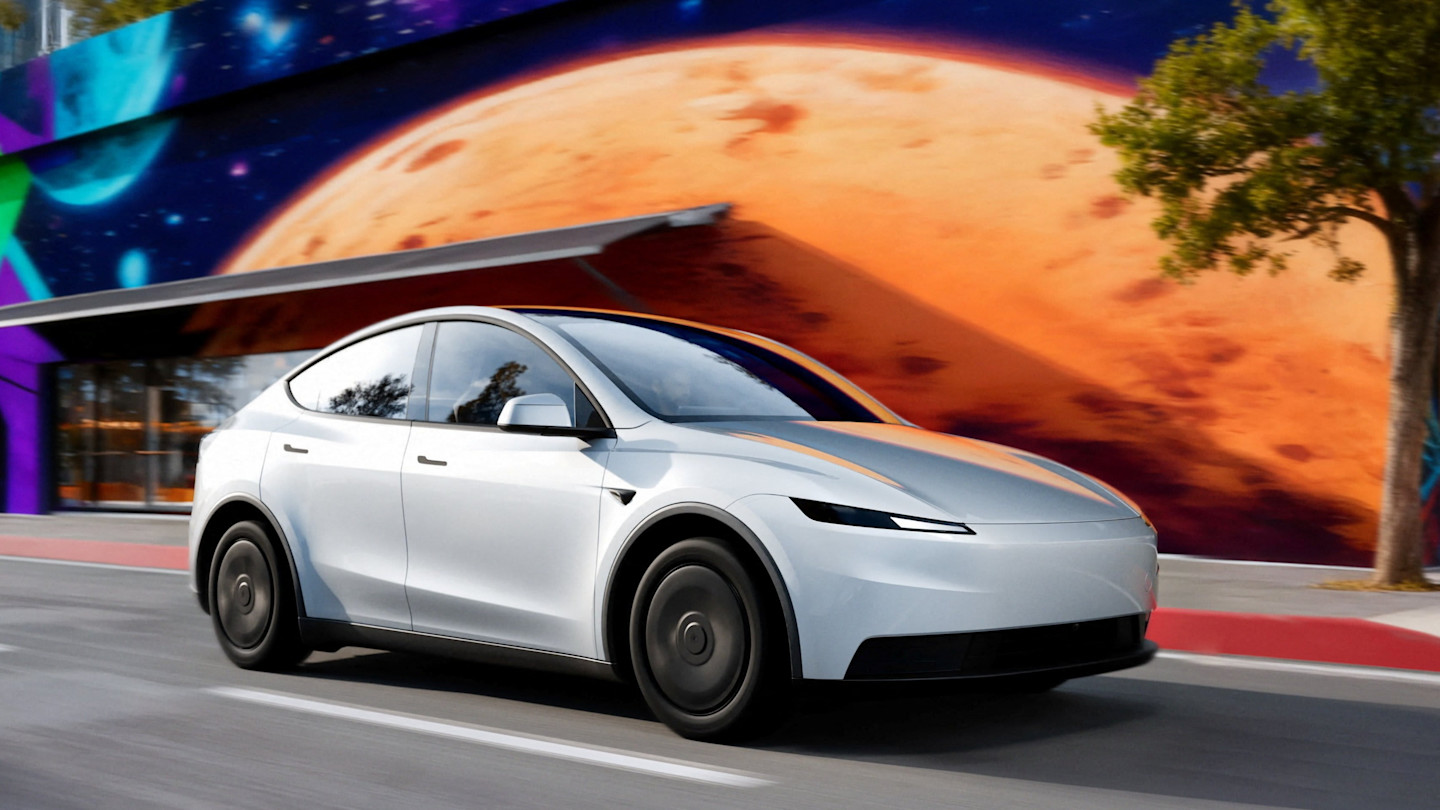
The Financial Times report found that the median result at 150,000km ranged from 94% for the Mercedes-Benz EQA to 86.7% for the Nissan Leaf ZE1 in the published model comparison. Tesla’s Model Y recorded 90.3%, while the Model 3 recorded 88.9%.
Those figures are medians, not a promise for every used car. Aviloo said the spread between individual vehicles could reach 13.5 percentage points for the Nissan Leaf ZE1, equivalent to about 29km of real-world range per charge. Battery size, climate and charging habits all affected the result.
What hot climates mean for EV batteries
Aviloo chief executive Marcus Berger said batteries in hotter climates degraded faster. The company also advised against leaving an EV parked at 80%, 90% or 100% charge, recommending a parked state of charge between 30% and 70% instead.
That is relevant to used-EV buyers in the UAE, but the study does not provide UAE-specific results. The study gives buyers a clearer picture of EV battery health. A battery-health test remains more useful than judging a car by its age, mileage or dashboard estimate alone.
The report did not include Chinese EV models because Aviloo said it lacked sufficient data. EV battery warranties typically cover eight years or 160,000km, with replacement thresholds commonly set at 70% capacity, although terms vary by manufacturer.
How much battery capacity do EVs retain after 150,000km?
The Aviloo study found median usable capacity between 87% and 94% across 20 popular EV models after 150,000km.
What affects an EV battery’s health?
The study identified model, battery size, climate and charging habits as factors that can change battery degradation.
What should used-EV buyers check?
An independent battery-health test gives a clearer picture than the vehicle’s age, mileage or dashboard estimate alone.