
SING cable diversifies UAE's digital connectivity beyond traditional Red Sea routes
du partners with Datawave to bring the SING subsea cable to UAE, creating a direct digital highway between Middle East and Asia. The AI-optimized network lands in Kalba, positioning UAE as a strategic hub for hyperscale cloud and AI workloads.

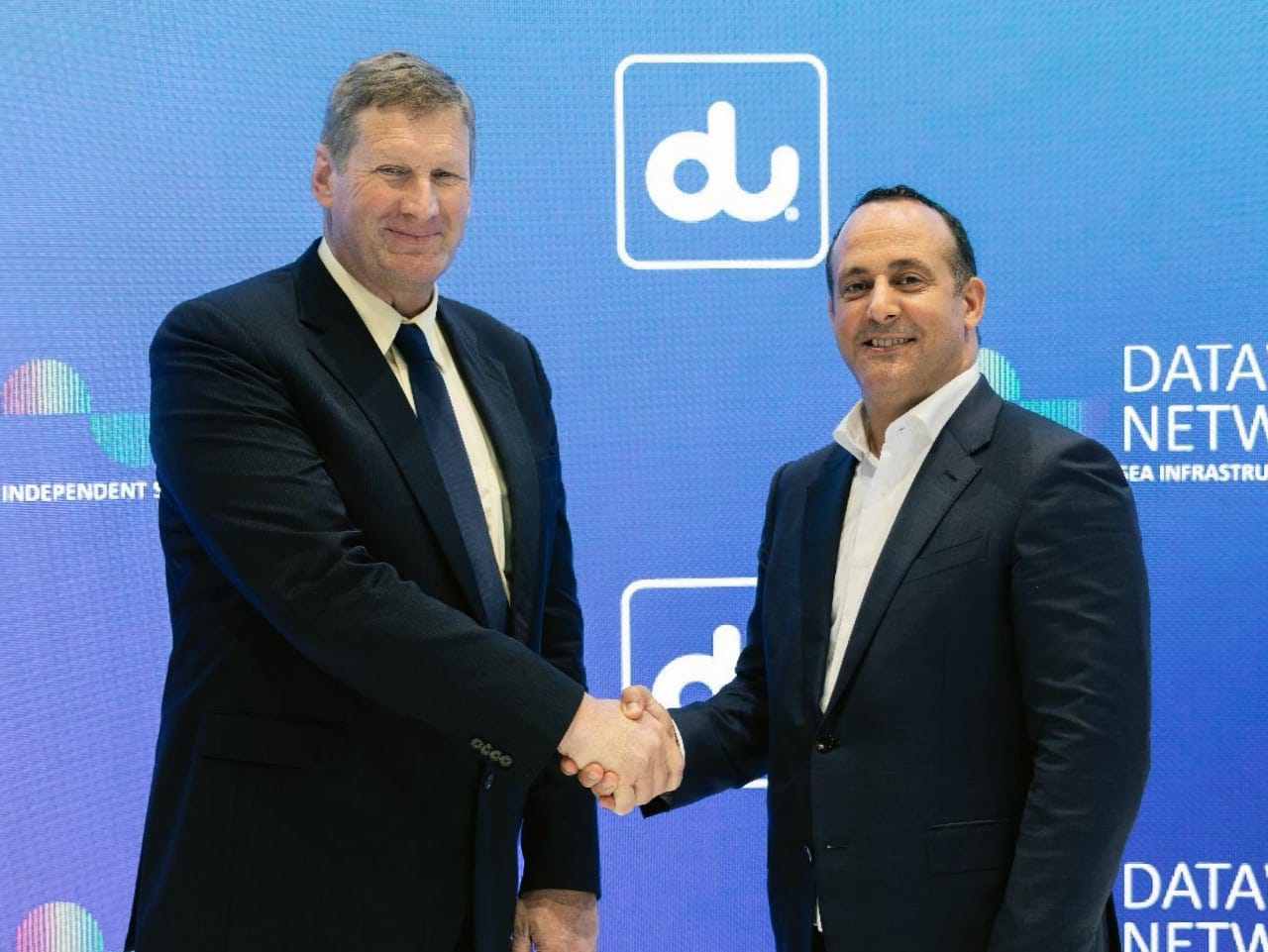
du and Datawave Networks Limited have announced a strategic partnership to land the Singapore-India-Gulf (SING) submarine cable system in the UAE, creating a new AI-ready connectivity corridor between the Middle East and Asia. The next-generation subsea fibre optic network will establish its UAE landing point at du's cable landing station in Kalba, reinforcing the country's role as a global digital gateway.
The Strategic Connectivity Framework
The SING cable system creates a diversified East-West digital pathway that reduces dependence on traditional subsea routes, particularly the Red Sea corridor. This route diversification strategy addresses a critical infrastructure risk: too much of the world's internet traffic flows through a handful of chokepoints.
By landing at Kalba, UAE, the cable positions the Emirates as a strategic alternative for data flowing between Europe, Asia, and beyond. The system connects six locations: Kalba (UAE), Muscat (Oman), Mumbai and Chennai (India), Kedah (Malaysia), and Singapore — creating what amounts to a digital trade route for the AI economy.
Why This Matters for UAE's AI Ambitions
The timing aligns with the UAE's emergence as a destination for AI-driven innovation, advanced compute infrastructure, and global cloud expansion. Karim Benkirane, Chief Commercial Officer at du, said: "The SING submarine cable reinforces the UAE's role as a global hub for data, cloud, and artificial intelligence. Our partnership delivers the scale, performance, and reliability required to support hyperscalers, AI innovators, and enterprises."
The cable's architecture specifically addresses AI workloads that demand high-capacity performance for model training, real-time inference, and next-generation digital services. This matters because AI applications are particularly sensitive to latency — milliseconds matter when you're running real-time inference at scale.
The Partnership Structure
du, the UAE-based telecom provider, brings local infrastructure and regulatory expertise, while Cyprus-based Datawave Networks Limited contributes subsea cable specialisation. This division of labour makes strategic sense: du owns the customer relationships and last-mile infrastructure, while Datawave handles the complex engineering of underwater fiber optic networks.
Mark Wickham, CEO at Datawave, said: "The connection of SING to the UAE underscores the country's strategic importance and its influence in the global AI and datacentre sectors. du's commitment to advanced infrastructure aligns with our goals for SING."
Market Implications
The SING system positions the UAE as a critical transit route between Middle Eastern and Asian markets, serving both small and large bandwidth requirements over the next 15-20 years. This matters because network effects favour countries that become major interconnection hubs — the more cables that land in your territory, the more valuable your territory becomes for future cables.
Looking ahead, this suggests the UAE is building infrastructure for an AI-driven economy in which data sovereignty and low-latency connectivity become competitive advantages. The flexible architecture enables hyperscalers and cloud providers to efficiently scale capacity as AI adoption accelerates across the UAE, Gulf region, India, and Southeast Asia.
Implementation Details
The SING cable system will land at du's existing cable landing station in Kalba, UAE, though specific launch timelines and operational dates have not been disclosed. The partnership addresses exponential growth in international bandwidth requirements driven by AI and cloud expansion in the region.
Frequently Asked Questions
What is the SING Subsea Cable System?
The SING (Singapore-India-Gulf) Subsea Cable System is a next-generation subsea fibre optic network designed to deliver high-capacity, low-latency connectivity linking the Middle East, South Asia, and Southeast Asia with AI-ready infrastructure.
Who are the partners behind the SING cable in the UAE?
du, a leading UAE telecom provider, and Datawave Networks Limited, a Cyprus-based subsea infrastructure specialist, are partnering to land and invest in the SING system at du's Kalba cable landing station.
How does the SING cable benefit the UAE's digital economy?
The SING cable reinforces the UAE's role as a global data hub by providing a resilient alternative East-West connectivity corridor, reducing dependence on traditional routes and supporting AI-driven innovation and cloud expansion.
Where does the SING cable connect?
The SING system connects six strategic locations: Kalba (UAE), Muscat (Oman), Mumbai and Chennai (India), Kedah (Malaysia), and Singapore, creating a comprehensive Middle East-to-Asia digital pathway.
Written by

Subscribe to our newsletter
Subscribe to our newsletter to get the latest updates and news











Member discussion