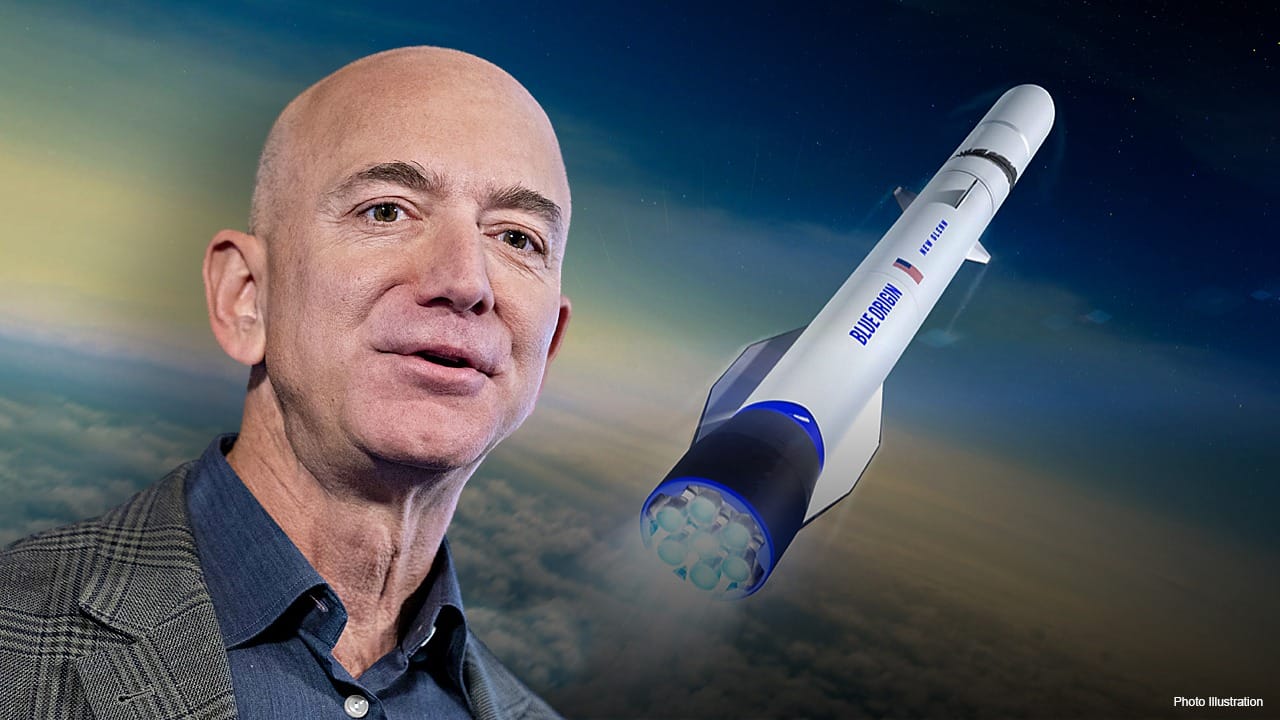
Blue Origin’s New Glenn rocket achieved a historic milestone on April 19, 2026, by successfully reusing its ‘Never Tell Me The Odds’ first-stage booster — making it only the second company after SpaceX to recover an orbital-class rocket. But the celebration was short-lived: AST SpaceMobile’s BlueBird 7 satellite ended up in the wrong orbit, too low to function, and will burn up during re-entry.
Key Takeaways
- Blue Origin’s New Glenn rocket successfully reused its ‘Never Tell Me The Odds’ booster on April 19, 2026, making it the second company after SpaceX to achieve orbital-class booster recovery.
- AST SpaceMobile’s BlueBird 7 satellite was deployed into an off-nominal, lower-than-planned orbit and will be de-orbited.
- The mission launched from Cape Canaveral at 6:45 a.m. EDT carrying a single 2,400 sq ft BlueBird satellite for direct-to-cellphone broadband.
- AST SpaceMobile plans a replacement satellite within a month, targeting 45-60 satellites by end of 2026.
- The deployment failure affects AST SpaceMobile’s global network race against SpaceX’s Starlink Direct-to-Cell service.
What happened during the New Glenn NG-3 mission?
The NG-3 mission launched at 6:45 a.m. EDT from Cape Canaveral Space Force Station LC-36, carrying AST SpaceMobile’s BlueBird 7 Block 2 satellite. The first stage booster landed successfully on a drone ship about 10 minutes after liftoff, demonstrating Blue Origin’s reusability technology works as designed. The company targets up to 25 flights per booster.
However, the upper stage failed to deliver the BlueBird 7 satellite to its intended orbit. According to AST SpaceMobile, the satellite was placed into an ‘off-nominal, lower-than-planned orbit’ that cannot sustain operations. The 2,400 square foot satellite, designed for direct-to-cellphone broadband, will have to be de-orbited and will burn up in the atmosphere.
Insurance covers the satellite loss, and AST SpaceMobile says a replacement BlueBird will be ready within a month. Future New Glenn missions could carry up to eight BlueBird satellites per flight, dramatically accelerating deployment.
Why the booster reuse matters for Blue Origin
This marks Blue Origin’s first successful booster recovery and reuse, positioning it as only the second company after SpaceX to achieve orbital-class rocket reusability. The ‘Never Tell Me The Odds’ booster previously flew on the NG-2 mission, though Blue Origin CEO Dave Limp confirmed it uses different engines from its prior flight.
The achievement is crucial for Blue Origin’s commercial viability. Rocket reusability dramatically reduces launch costs — SpaceX has proven this with over 300 Falcon 9 booster landings. For Blue Origin, which has struggled to match SpaceX’s launch cadence and cost structure, proving reusability works keeps them competitive in the commercial satellite market.
The timing matters too. NASA has selected New Glenn for several Artemis Moon missions, and consistent reliability will be essential for those contracts. Each successful reuse brings Blue Origin closer to SpaceX’s proven track record.
What this means for AST SpaceMobile’s satellite network
The BlueBird 7 failure is a significant setback for AST SpaceMobile’s ambitious timeline. The company is racing to deploy 45-60 satellites by the end of 2026 to build a global direct-to-phone network that doesn’t require special apps or equipment.
AST SpaceMobile competes directly with SpaceX’s Starlink Direct-to-Cell service and Amazon’s recent Globalstar acquisition. Every delay gives competitors more time to establish market presence. The BlueBird satellites are massive — each spans 2,400 square feet when deployed — making them expensive and complex to manufacture.
The one-month replacement timeline suggests AST SpaceMobile has backup satellites ready, which is standard practice for critical missions. But the incident highlights the risks of relying on relatively new launch vehicles for time-sensitive commercial deployments.
Implications for UAE’s space ambitions
Blue Origin’s advancing reusability technology and AST’s direct-to-phone network could enable new opportunities for UAE’s growing space sector. The country’s MBZ-SAT Earth observation satellite and planned Mars missions require reliable, cost-effective launch services and global communications infrastructure.
Direct-to-phone satellite coverage would be particularly valuable for UAE’s remote areas and could support the country’s smart city initiatives across the Emirates. Dubai’s position as a regional hub makes it a natural location for satellite ground stations and mission control facilities.
The successful booster reuse, despite the payload deployment issue, demonstrates that alternatives to SpaceX are maturing. For UAE space projects, having multiple proven launch providers reduces costs and scheduling risks.
Frequently Asked Questions
Was Blue Origin's booster reuse successful?
Yes, the ‘Never Tell Me The Odds’ booster landed successfully on a drone ship about 10 minutes after launch, making Blue Origin the second company after SpaceX to achieve orbital-class booster recovery and reuse.
What went wrong with the BlueBird 7 satellite?
The New Glenn upper stage placed the satellite into an off-nominal, lower-than-planned orbit that cannot sustain operations. AST SpaceMobile will de-orbit the satellite, and it will burn up in the atmosphere.
How does this affect AST SpaceMobile's satellite network plans?
AST SpaceMobile says a replacement satellite will be ready within a month, and they still plan to deploy 45-60 satellites by end of 2026. Insurance covers the loss, but the delay gives competitors like SpaceX’s Starlink more time.
How many times can Blue Origin reuse the New Glenn booster?
Blue Origin targets up to 25 flights per booster, similar to SpaceX’s Falcon 9 reusability goals. Each booster reuse dramatically reduces launch costs compared to expendable rockets.