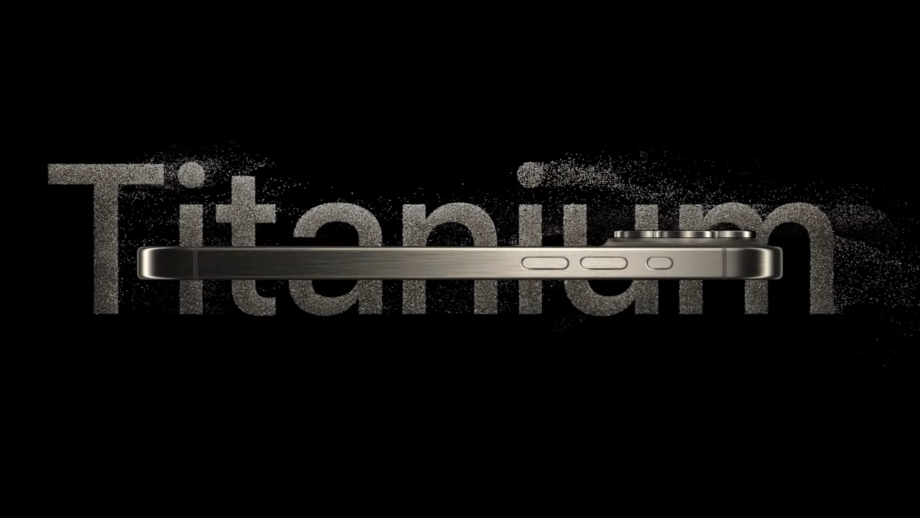
Apple is reportedly exploring an improved titanium alloy for future iPhone Pro models, according to Weibo leaker Instant Digital. The research aims to address thermal conductivity issues that led to the iPhone 17 Pro switching from titanium to an aluminum-based design in May 2026.
Key Takeaways
- Apple is reportedly researching an improved titanium alloy for future iPhone Pro models to address thermal conductivity issues.
- The iPhone 17 Pro switched to aluminum from titanium, with heat dissipation cited as the primary reason for the change.
- Liquid metal is also being considered for the iPhone Ultra’s hinge, though mass production remains challenging.
- Apple currently uses titanium in the iPhone Air and reportedly plans to continue with iPhone Ultra models.
- The leak comes from Weibo user Instant Digital, who claims Apple views the aluminum switch as a ‘forced compromise’.
What the leak says about Apple’s titanium research
According to Instant Digital’s post, Apple hasn’t abandoned titanium despite the material change for iPhone 17 Pro. The leaker claims the company is actively researching an improved version that would solve titanium’s poor thermal conductivity whilst maintaining its weight advantages.
“I’ve previously mentioned that Apple is proud to use titanium in its phones, and the use of aluminum in the 17 Pro was a forced compromise,” the translated post reads. “Apple hasn’t abandoned titanium and seems to be researching an improved version.”
The goal, according to the leak, is addressing titanium alloy’s thermal limitations whilst reducing weight and maintaining the same device volume. Apple reportedly plans to return to titanium once this new formula reaches maturity.
Why Apple switched from titanium to aluminum
Apple introduced titanium as a premium feature with the iPhone 15 Pro in 2023, replacing stainless steel construction. The material offered significant weight reductions and enhanced durability, making the Pro models noticeably lighter in hand.
However, heat dissipation emerged as a critical limitation. Titanium’s poor thermal conductivity meant the iPhone 17 Pro couldn’t effectively manage heat from the A19 Pro chip during intensive tasks. This thermal bottleneck reportedly forced Apple’s hand, leading to the aluminum switch despite titanium’s other benefits.
The aluminum design in the iPhone 17 Pro improved thermal management but sacrificed the premium feel and weight advantages that titanium provided.
Liquid metal alternative for iPhone Ultra
Beyond improved titanium, Apple is also considering liquid metal for specific applications. The leak suggests this material could appear in the iPhone Ultra’s hinge mechanism, where durability is paramount.
However, mass production of liquid metal components remains “extremely difficult” according to Instant Digital. This manufacturing challenge could limit liquid metal to specific, high-value components rather than broader chassis applications.
Apple currently uses titanium in the iPhone Air, where the material’s strength-to-weight ratio benefits ultra-thin designs. The company reportedly plans to continue titanium use in iPhone Ultra models, where durability outweighs thermal concerns.
What improved titanium could mean for future iPhones
If Apple successfully develops improved titanium alloy, future iPhone Pro models could combine the best of both materials. Users would regain the premium feel and weight reduction of titanium whilst maintaining the thermal performance that aluminum provides.
For UAE users, better heat dissipation becomes particularly relevant given the region’s hot climate. The improved alloy could ensure consistent performance during summer months when thermal throttling typically becomes more noticeable.
However, the leak provides no timeline for when such improved titanium might debut. Apple’s material science development typically spans multiple years, suggesting any titanium return wouldn’t occur before the iPhone 18 Pro generation at earliest.
Timeline and availability
No specific timeline exists for Apple’s potential return to titanium in iPhone Pro models. The research remains in development phases, with the leaker noting uncertainty about specific technical details.
Apple hasn’t officially commented on material changes for future iPhone models. The company typically keeps material science research confidential until product announcements, making independent verification of these claims impossible.
UAE buyers interested in premium iPhone materials currently have titanium options in the iPhone Air and upcoming iPhone Ultra models, where thermal demands differ from Pro model requirements.
Frequently Asked Questions
Why did Apple switch from titanium to aluminum for iPhone 17 Pro?
Heat dissipation was the primary reason for switching from titanium to aluminum. Titanium’s poor thermal conductivity prevented effective heat management from the A19 Pro chip during intensive tasks.
Is Apple planning to bring titanium back to iPhones?
According to Weibo leaker Instant Digital, Apple is researching an improved titanium alloy to address thermal conductivity issues. However, no official timeline or confirmation exists.
What are the benefits of titanium in iPhones?
Titanium offers significant durability benefits and noticeable weight reduction compared to stainless steel, as demonstrated in the iPhone 15 Pro and 16 Pro models.
Which current iPhone models use titanium?
Apple currently uses titanium in the iPhone Air and reportedly plans to continue using it in iPhone Ultra models, where durability requirements outweigh thermal concerns.
What is liquid metal and how might Apple use it?
Liquid metal is an alternative material Apple is considering for specific components like the iPhone Ultra’s hinge. However, mass production remains extremely challenging according to the leak.