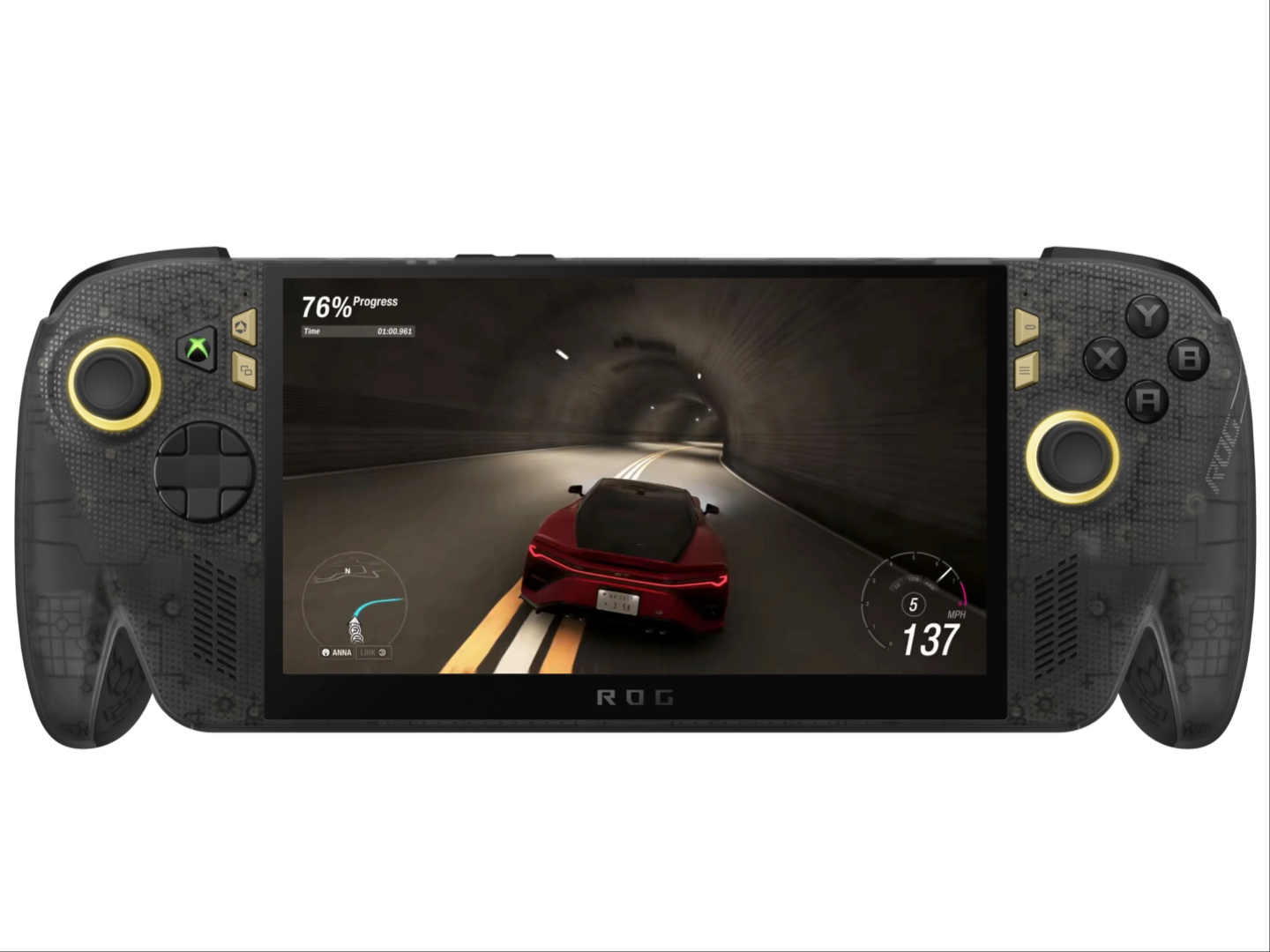
AMD plans to bring FSR 4, its machine-learning upscaler, to the APUs that power handhelds, gaming laptops and mini PCs by the end of 2026. Existing chips are covered too, through a lighter version of the technology built for integrated graphics.
The commitment comes from Jack Huynh, AMD’s senior vice president and general manager of the Computing and Graphics Group. Speaking to Korean media in Seoul, including TheElec, he said: “We will expand FSR 4 across our product lineup, including APUs, gaming laptops and handheld devices, by the end of this year.” The quote is a translation from Korean.
A lightweight model for integrated graphics
Huynh said AMD has “newly developed a dedicated lightweight model that suits the APU environment”, with a focus on “excellent game image quality and low latency”. According to Notebookcheck, chips such as the Ryzen Z2 Extreme and Ryzen AI Halo aren’t powerful enough to run the standard FSR 4 implementation, which explains the separate model.
Today, ML-based FSR 4 is limited to Radeon RX 9000 and RX 7000 discrete cards. Other hardware falls back to the analytical FSR 3 path. AMD has also said RX 6000 support is planned for 2027, according to VideoCardz.
The modding community has already got FSR 4 running on handhelds and other unsupported hardware, so the idea isn’t untested. Digital Foundry notes that such ports included hardware like the Steam Machine, which tbreak covered when Valve was testing FSR 4 for it. How AMD’s official version compares with those ports in speed and image quality is unknown, as AMD hasn’t shown benchmarks.
New chips, with a caveat
Huynh also referred to “new product lines”. TheElec reads that as new APUs with full FSR 4 support arriving this year, but Huynh didn’t say so directly, and the outlet didn’t publish his full remarks. Digital Foundry suggests such chips would use an RDNA 4 graphics component with hardware acceleration for ML upscaling, frame generation and ray reconstruction. That is inference, not an AMD statement. VideoCardz points to the Ryzen Z3 as the most recently discussed product on that architecture.
Why it matters
Most Windows handhelds run on AMD silicon, so a better upscaler directly affects battery life and frame rates on the devices people actually carry. The approach also echoes Sony’s recent move: tbreak reported on the PS5’s new QSSR upscaling, and Digital Foundry describes this kind of middle tier as one that beats older analytical upscalers while running faster than a full-size model. For a possible next Valve handheld, see our report on the Steam Deck 2 leak.
AMD hasn’t published a list of supported chips, a driver date or a software name for the lightweight model. “By the end of the year” is the only timeline.
Which handhelds will get FSR 4?
AMD hasn’t named devices. Huynh said support will cover existing and new APUs, handhelds and gaming laptops, but there is no compatibility list yet.
Can I run FSR 4 on my handheld now?
Not officially. Community ports exist, but they are unsupported and performance varies.
Will the lightweight version look as good as full FSR 4?
Unknown. AMD says it targets good image quality and low latency, and hasn’t shared comparisons.