Amazon will acquire Globalstar for $11.6 billion in April 2026, taking control of the satellite network that powers Apple’s Emergency SOS feature since iPhone 14. The deal positions Amazon’s Project Kuiper and Apple as a direct alliance against Elon Musk’s Starlink, which has been expanding across the UAE through Etisalat partnerships.
Key Takeaways
- Amazon will acquire Globalstar for $11.6 billion, gaining satellites, spectrum licenses, and infrastructure.
- Apple’s Emergency SOS service will transition from Globalstar to Amazon’s Project Kuiper system.
- The deal creates an Amazon-Apple alliance to compete with Starlink in satellite-to-smartphone connectivity.
- Enhanced direct-to-device services are expected by 2028 for UAE iPhone users.
- The acquisition intensifies satellite competition in the Middle East where Starlink operates via Etisalat partnerships.
What Amazon gets for $11.6 billion
According to Amazon’s official announcement, the acquisition includes Globalstar’s entire satellite fleet, mobile satellite service spectrum licenses, and ground infrastructure. Amazon will integrate these assets with Project Kuiper — its low Earth orbit constellation designed to deliver broadband and direct-to-device connectivity.
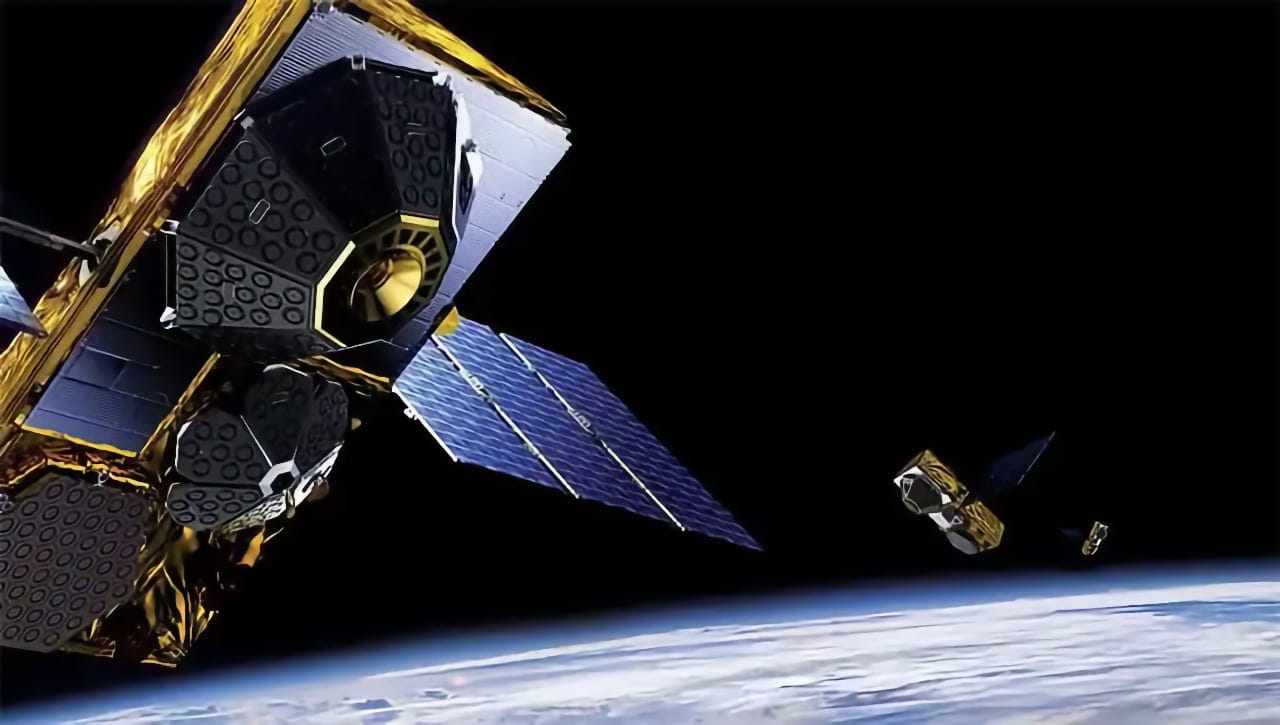
Globalstar operates 31 low Earth orbit satellites and has been a pioneer in non-geostationary satellite communications since the 1990s. The company’s current fleet includes newer satellites built by MDA Space, which will continue operating alongside Amazon’s planned Kuiper constellation.
The thing is, this isn’t just about adding satellites to Amazon’s arsenal. The spectrum licenses are arguably more valuable — they give Amazon the regulatory foundation to offer satellite services globally, something that typically takes years to secure independently.
Apple’s satellite services get a new home
Amazon commits to supporting all existing Globalstar-based iPhone and Apple Watch satellite features, including Emergency SOS that launched with iPhone 14 in 2022. The service has become critical for users in remote areas, automatically connecting to satellites when cellular coverage isn’t available.
What they don’t mention in the press releases is the transition timeline. Apple held approximately a 20% stake in Globalstar before this deal, so the handover should be seamless — but ‘should be’ and ‘will be’ are different things when you’re dealing with satellite infrastructure serving millions of iPhones globally.
For UAE iPhone users, this means Emergency SOS will eventually run on Amazon’s infrastructure rather than Globalstar’s independent network. The functionality should remain identical, but the backend will be Amazon Leo by 2028.
How does this change satellite competition in the UAE
The deal accelerates Amazon’s direct-to-device ambitions just as Starlink gains ground in the Middle East. Starlink has focused primarily on broadband internet for homes and businesses, while Amazon’s approach targets smartphone integration — two different strategies for the same connectivity problem.
In practice, this creates an interesting dynamic for UAE consumers. Starlink offers high-speed internet for fixed locations, whilst Amazon Leo will focus on keeping your iPhone connected in the Empty Quarter or on offshore oil platforms where cellular towers simply don’t exist.
Amazon has been expanding its presence in the UAE, and this satellite acquisition adds another layer to that regional strategy. The company isn’t just competing on e-commerce anymore — it’s building infrastructure that could make remote work genuinely remote.
What enhanced services mean by 2028
Enhanced direct-to-device services are expected by 2028, expanding beyond emergency messaging to include regular text, voice, and data services when cellular coverage is unavailable. This puts Amazon Leo in direct competition with Starlink’s planned direct-to-smartphone features.
For context, the current iPhone Emergency SOS is limited to pre-formatted emergency messages and basic location sharing. By 2028, Amazon Leo could enable full WhatsApp, calls, and internet browsing through your existing iPhone — no special hardware required.
The timing matters because Starlink is pursuing similar capabilities. Whoever launches first and works reliably will likely capture the market, particularly in regions like the GCC, where vast desert areas challenge traditional cellular coverage.
The $11.6 billion question
This is Amazon’s largest acquisition since Whole Foods in 2017, signalling how seriously the company takes satellite connectivity. The deal values Globalstar at roughly 15 times its annual revenue — expensive even by tech acquisition standards.
Stock markets reacted predictably: Globalstar shares rose 9.6%, Amazon gained 3.8%, whilst competitor AST SpaceMobile dropped 10.5% on concerns about increased competition. The market clearly believes Amazon has the resources to make satellite-to-smartphone connectivity work at scale.
What’s less clear is whether consumers will pay premium prices for satellite connectivity as cellular coverage continues to improve. The UAE’s cellular infrastructure is already among the world’s best — the real value may be in truly remote areas and emergency situations rather than daily use.
Timeline and regional impact
The acquisition is expected to close in the second half of 2026, subject to regulatory approvals. Amazon Leo services will begin integration immediately, with enhanced direct-to-device features rolling out by 2028.
For UAE users, the transition should be transparent. Current iPhone Emergency SOS will continue operating through Globalstar until Amazon Leo takes over backend operations. Future iPhones may ship with expanded satellite capabilities as standard features rather than emergency-only services.
Regulatory approval in the Middle East will be crucial, as spectrum allocation varies by country. Amazon’s existing relationships with regional governments through AWS cloud services could accelerate approvals compared to Starlink’s longer regulatory journey.
Frequently Asked Questions
What happens to Apple's Emergency SOS during the transition?
Nothing changes for users. Amazon will continue supporting all existing iPhone and Apple Watch satellite features, with backend operations gradually migrating from Globalstar to Amazon Leo by 2028.
How does this affect Starlink's expansion in the UAE?
This creates direct competition. Starlink focuses on broadband internet via Etisalat partnerships, while Amazon Leo targets smartphone connectivity. Both services could complement each other for comprehensive satellite coverage.
Will enhanced satellite features cost extra on UAE iPhones?
Pricing hasn’t been announced. Current Emergency SOS is free for two years with new iPhones. Amazon may introduce subscription pricing for enhanced voice, text, and data services beyond emergency use.
When will Amazon Leo satellite services launch in the Middle East?
Enhanced direct-to-device services are expected to be available globally by 2028. Regional availability depends on spectrum approvals from the UAE telecom authorities, though Amazon’s AWS relationships may accelerate the process.
Can other Android phones use Amazon's satellite network?
The current deal focuses on Apple devices, but Amazon Leo will likely support Android smartphones eventually. The company hasn’t announced specific partnerships with Samsung or Google for direct-to-device connectivity.