Xbox wants everyone to know its single-player exclusivity plan is a guideline, not a law. Speaking to GamesRadar+ in an interview picked up across the gaming press, Xbox Game Studios head Matt Booty said fans should not assume single-player titles will always stay locked to Xbox consoles. “I wouldn’t overly fixate on single-player. I think that’s a good rule of thumb, but it certainly isn’t something that’s carved in stone.”
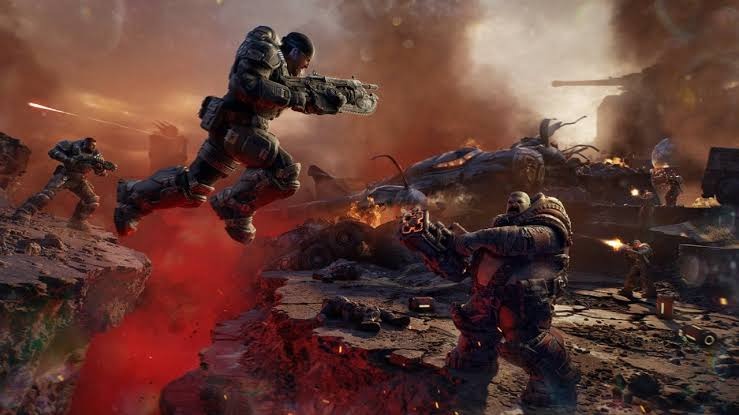
The clarification lands after the Xbox Games Showcase, where CEO Asha Sharma confirmed Gears of War: E-Day and Clockwork Revolution as Xbox Series X|S exclusives. That announcement led many players to read it as a hard pivot back to console exclusivity, and to assume the company’s multiplatform releases on PS5 and Nintendo Switch 2 were winding down. Booty is now dialling that interpretation back.
What did Xbox actually say about single-player exclusives?
Booty framed exclusivity as a decision made game by game rather than dictated by genre. He said Xbox has to weigh each title against its role in the wider line-up: “There are a lot of different games in our portfolio, and we have to think about how different games serve different purposes within it.”
So single-player games are more likely to be exclusive under this thinking, but not guaranteed to be. That is a meaningful softening of the tidy rule that hardened in fan discussion after the Showcase — single-player equals Xbox exclusive, multiplayer equals multiplatform. Booty is explicitly rejecting the idea that the split is fixed.
Xbox strategy director Matthew Ball offered the closest thing to an admission that the messaging has been a mess. He acknowledged that “this approach is not obvious to all of our players, and we are committed to making this clearer.” When your own strategy chief concedes the plan needs explaining, the reader is entitled to some scepticism about how settled any of this really is.
Which games are exclusive and which are heading elsewhere?
The confirmed exclusives haven’t moved. Gears of War: E-Day and Clockwork Revolution — the latter expected in 2027 — remain Xbox console exclusives, and Booty’s comments don’t change that. What his framing does is leave the door open for other single-player releases to go wider.
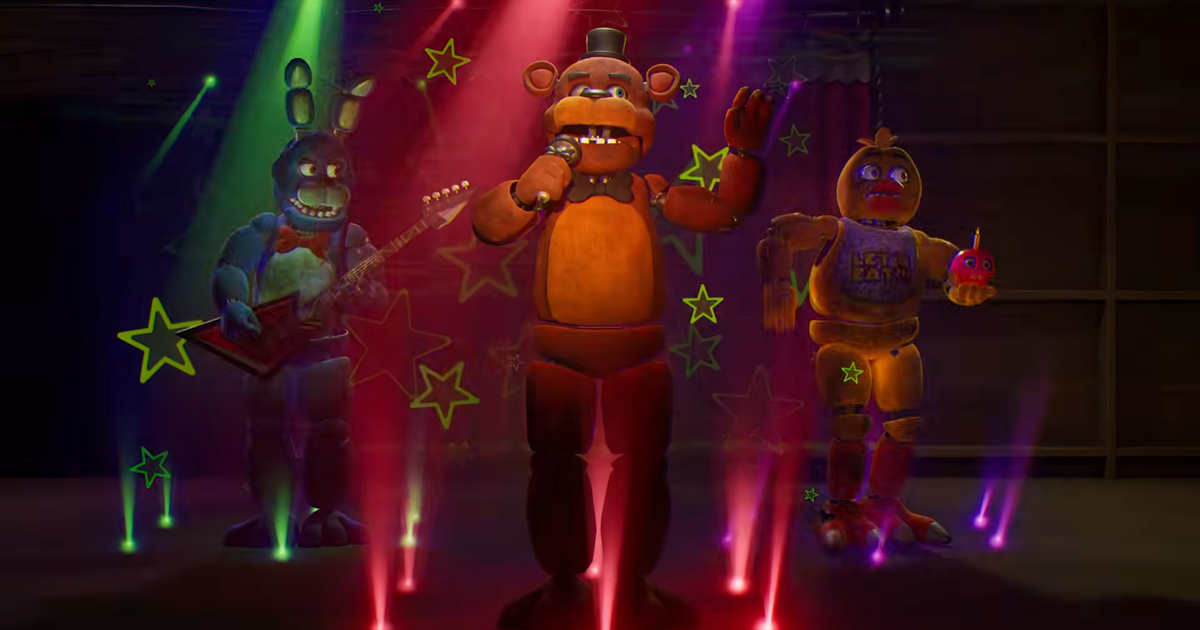
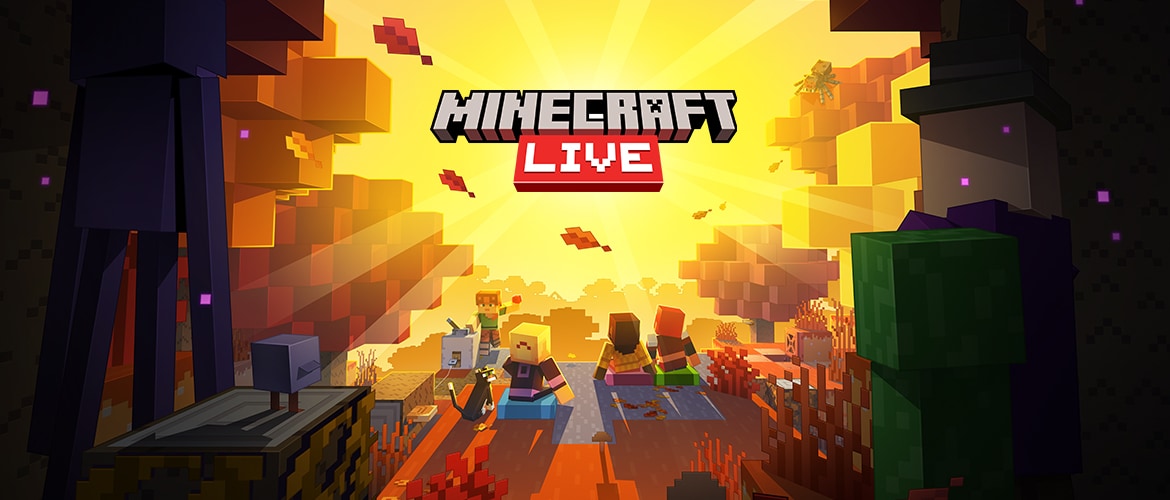
On the multiplatform side, Xbox has already shown that not everything from Xbox Game Studios, Bethesda, and Activision Blizzard stays on its consoles. Minecraft Dungeons 2 and Grounded 2 are both reported as coming to other platforms, and Ball attributes that to large live-service games being designed to reach players wherever they are. Call of Duty, likewise, continues to launch across platforms.
The genuine open questions are the marquee ones. It is still unclear whether games such as OD or The Elder Scrolls VI will be exclusive or multiplatform, and Booty’s case-by-case language deliberately keeps both options live. For anyone weighing an Xbox purchase around a specific future title, that is precisely the answer they didn’t want.
Why keep clarifying the same policy?
The repeated clarifications are the real story here. This is the same company that has spent the year publicly wrestling with what its games mean for its hardware, from Sharma’s stated reevaluation of exclusivity and the Microsoft Gaming rebrand to reports of internal frustration over how the console strategy is being shaped. Booty’s “not carved in stone” line is less a new policy than another attempt to explain an existing one that keeps confusing people.
What changes for the reader is small but useful: single-player exclusivity is a leaning, not a promise, and Xbox now says it wants to announce platforms alongside release dates. Until it does, the honest read is that the confirmed exclusives are confirmed, the multiplatform live-service releases are safe, and everything in between is a decision Xbox hasn’t made yet.