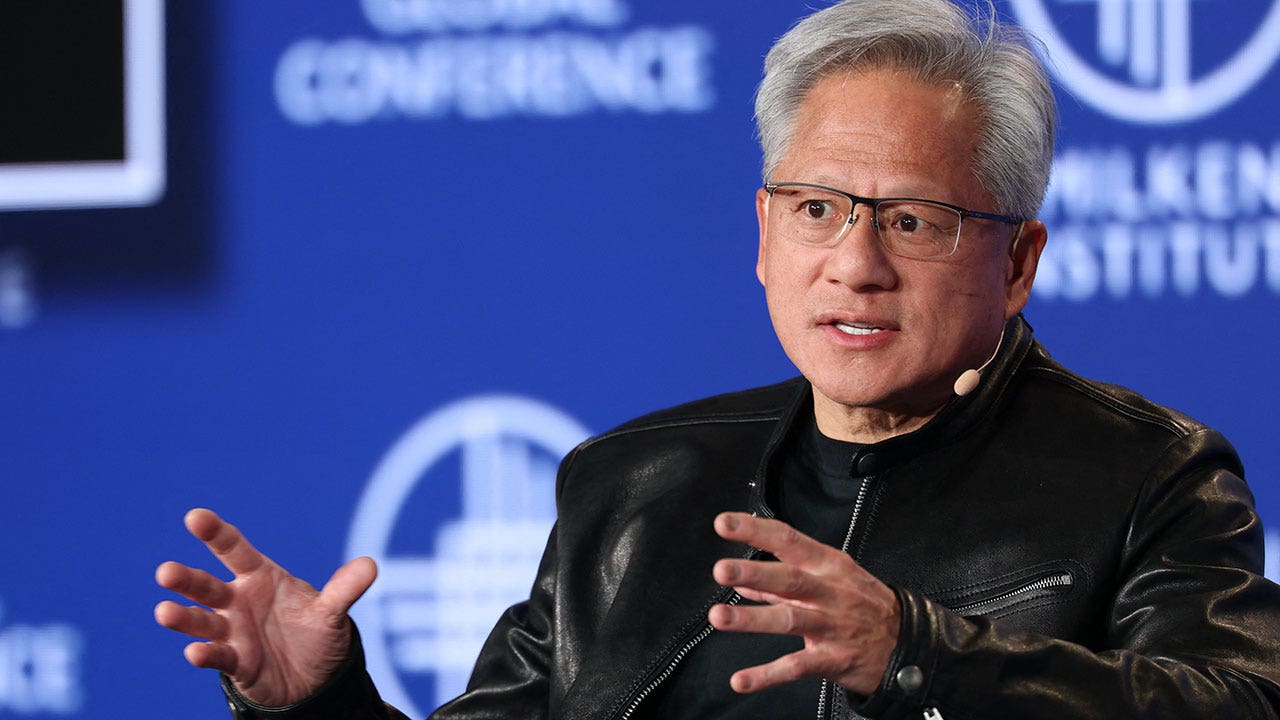
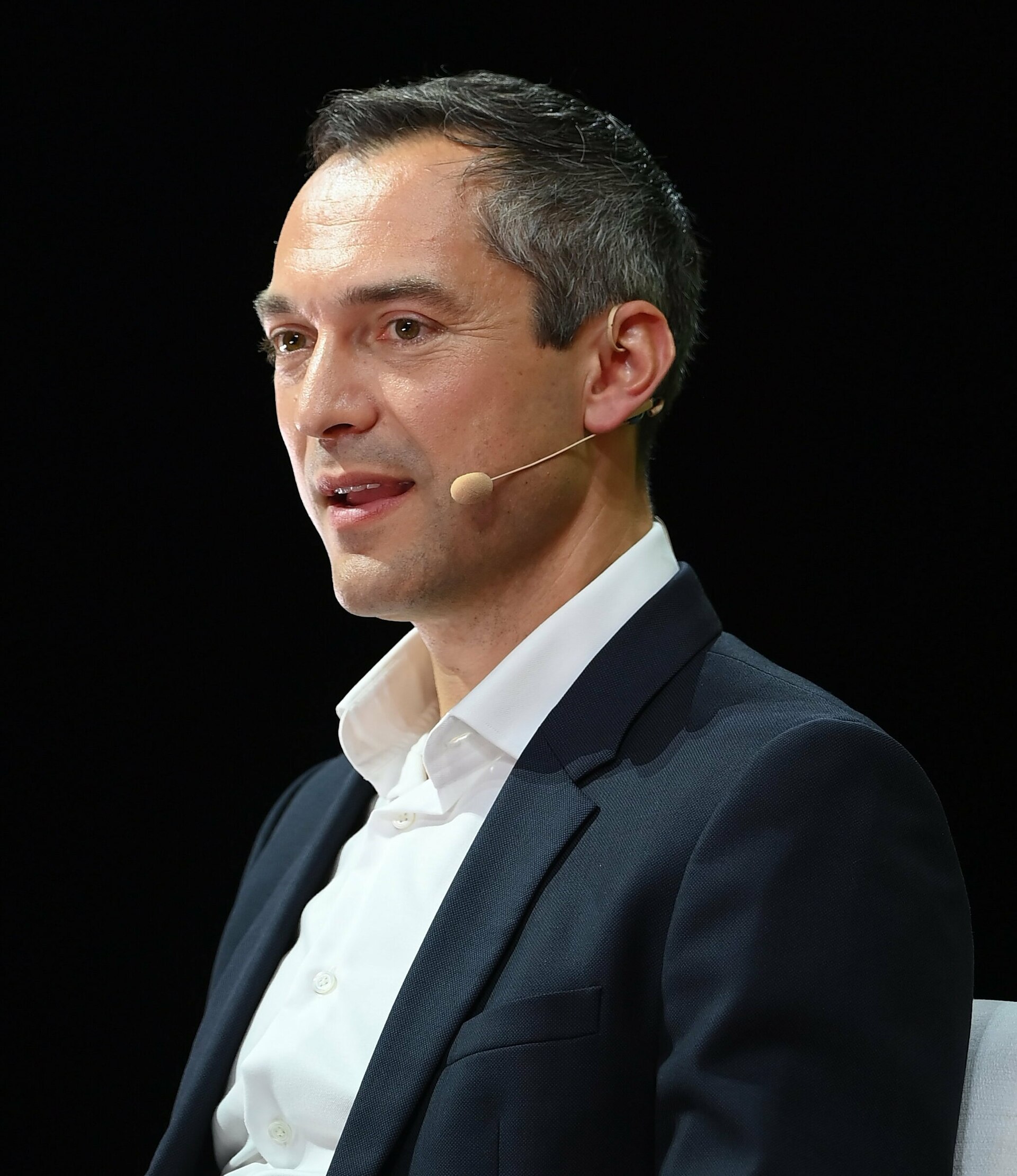
HubSpot is bringing back co-founder Brian Halligan as CEO, replacing Yamini Rangan, and has picked Adobe’s Karen Burgess as its next CFO.
HubSpot’s shares are down about 50% this year. Investors worry that AI will tempt the small and medium-sized businesses in its customer base to drop it and build their own apps, the Boston Globe reports. That’s a question for every seat-based software company.
According to HubSpot’s announcement, Rangan steps down as CEO and from the board on 12 November, and Halligan takes over that day. Halligan’s interview remarks come from a Bloomberg report. Halligan, who is 59, co-founded HubSpot in 2005 with CTO Dharmesh Shah. He was CEO for 16 years, leading the company from its founding through its IPO to a market cap of over $30 billion in 2021. He served as executive chairperson from September 2021 to May 2025 and has been a director since the start.


Rangan stays with the company through 1 December 2026, “to ensure a smooth transition”. The filing also cuts the board’s authorised size from eleven directors to ten, and Halligan stays on it. Board chair Lorrie Norrington said, “The Board is united in its support of his refounding of the company.” The company hasn’t yet finalised Halligan’s pay as CEO and says it will disclose the material terms by amending its 8-K.
A “refounding” with few details yet
Halligan calls the move a refounding.
This is a refounding, and I can’t wait to start!
Brian Halligan, co-founder of HubSpot
HubSpot says he will reimagine the company “from the ground up”, across product, go-to-market, and culture, to drive even more value for customers. In the release, Halligan sorts the company’s history into three chapters. The first was creating the inbound marketing category and building a killer app that thousands enjoyed. The second was an easy and powerful CRM platform that hundreds of thousands use every day. Halligan says the third is “building the customer relationship harness that will enable millions to grow better.”
Halligan was blunter with Bloomberg. Halligan told the outlet: “I don’t want to see HubSpot swallowed up by a private equity firm or shrink. I want to rebuild it and reimagine it.” He also said: “I don’t know if you looked at the last earnings, but the numbers aren’t great.” Bloomberg reports that he warned software vendors must become “very, very AI-pilled” to adapt to shifting business models.
What the refounding will change remains unclear. Startup Fortune notes that Halligan hasn’t set out what “refounding” will actually change. Newsquawk points out that a founder’s return as CEO has historically been read in two ways: as a sign of conviction, or as an admission that the professional-management phase failed.
Adobe’s Karen Burgess takes the finance job
Burgess is currently SVP and CFO of Adobe’s Creativity & Productivity business unit. HubSpot describes that unit as a $20 billion business serving more than 1 billion monthly active users. According to the 8-K filing, she has held several roles at Adobe since May 2002.
Burgess joins HubSpot on 30 November as executive vice president of finance. She succeeds Kate Bueker as CFO on 11 February 2027, when Bueker retires. Bueker’s retirement was long planned, and she moves to an advisory role until 31 December 2027. The filing says it isn’t the result of any disagreement with the company over its financial statements, controls, operations, policies, or practices.
Burgess said HubSpot “is at an exciting inflection point, with AI creating new possibilities for how businesses connect with and serve their customers.” Halligan said he was “thrilled to welcome Karen to HubSpot.” The filing gives Burgess a base salary of $535,000, a one-time cash signing bonus of $500,000, and a target bonus of 75% of base salary. Restricted stock units worth $2.5 million are set for 1 December 2026, and another $8.5 million for 1 March 2027.
A hard run for the stock
Rangan’s tenure saw HubSpot’s customer count grow from 135,000 to more than 311,000. The company says revenue rose from $1.3 billion in 2021 to an expected $3.7 billion in 2026. Rangan called it “a privilege to lead and scale HubSpot.”
The recent past is harder. Startup Fortune reports that the third-quarter results on 4 November disappointed. Rangan pointed to AI-related headwinds, and said customers are scrutinising budgets and prices into 2027. In October, HubSpot cut about 660 positions, roughly 7% of its global workforce.
Pricing has also moved. CMSWire reports that in April HubSpot shifted two Breeze agents to pay-per-result pricing, “a meaningful departure from its per-seat model”. Software companies are also reshuffling their top jobs; Automattic’s CEO ouster is one example.
What happens next
Burgess starts on 30 November, and takes over as CFO on 11 February 2027. HubSpot reaffirmed its guidance for the fourth quarter and full-year 2026, which it first gave with its third-quarter results.
Halligan’s pay is the next document to watch, once HubSpot files the amendment. Until he sets out a plan, the refounding is a signal of intent, which is how Startup Fortune reads it.