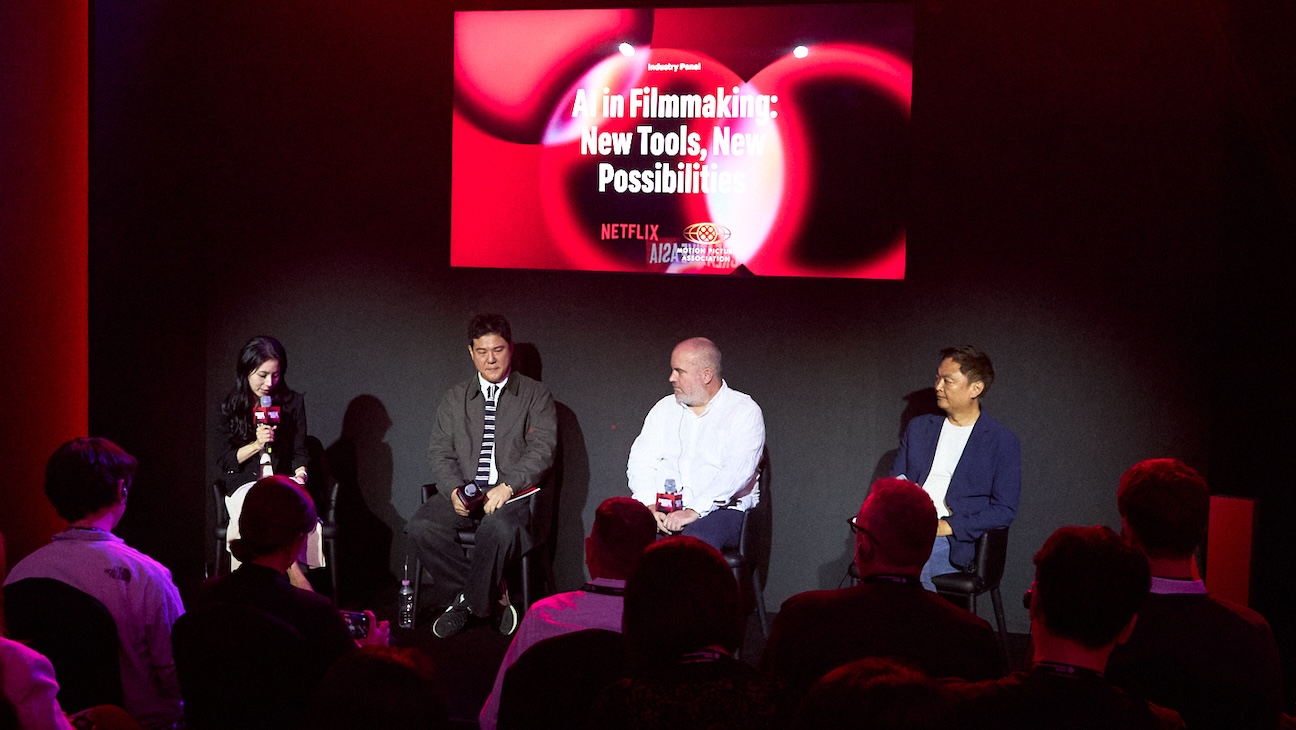
HPE’s networking chief Rami Rahim expects AI to resolve network trouble tickets without human intervention within two to three years, apart from physical hardware swaps. The prediction puts a deadline on the company’s “self-driving networks” pitch, but its current technical documentation still describes specific automated fixes, failed attempts, and work that administrators must finish.
In an interview with The Register, Rahim, HPE’s networking president and general manager and former Juniper CEO, estimated that 70-80% of tickets already require no human intervention. The report does not provide a methodology or define the customer population behind that estimate. It should not be read as a measured result for every enterprise network.
“Within two to three years, we’ll have no issues that require humans,” he told the publication. That is a forecast, not a guarantee that today’s products can resolve every outage.
What the network can fix today
HPE’s self-driving Marvis Actions documentation offers a more concrete picture. It distinguishes driver-assist actions, which give operators recommendations, from self-driving actions that automatically execute corrections.
Examples include restarting a stuck switch port, adding a missing VLAN to an access point’s connected switch port, and upgrading access-point firmware. After an automated fix, Marvis checks whether the problem has disappeared before marking it “AI Validated”.
The limits are equally useful. For a stuck port, Marvis attempts three restarts. If the problem persists, it leaves the issue open and records the remediation steps. For a detected network loop, it can disable a port, but an administrator still has to remove the looped cable and manually re-enable the port.
Those are defined responses to identifiable problems, not proof that AI can repair any failure across an enterprise’s applications, cloud services, and internet providers. HPE also staggers automatic access-point firmware upgrades during low-usage periods to reduce disruption, rather than treating speed as the only objective.
Fewer tickets is not the same as no IT team
Rahim’s hardware exception matters. He envisages software ordering replacement parts automatically, with a non-specialist performing the physical swap. His prediction therefore does not eliminate all human work, even if it removes specialist involvement from more routine troubleshooting.
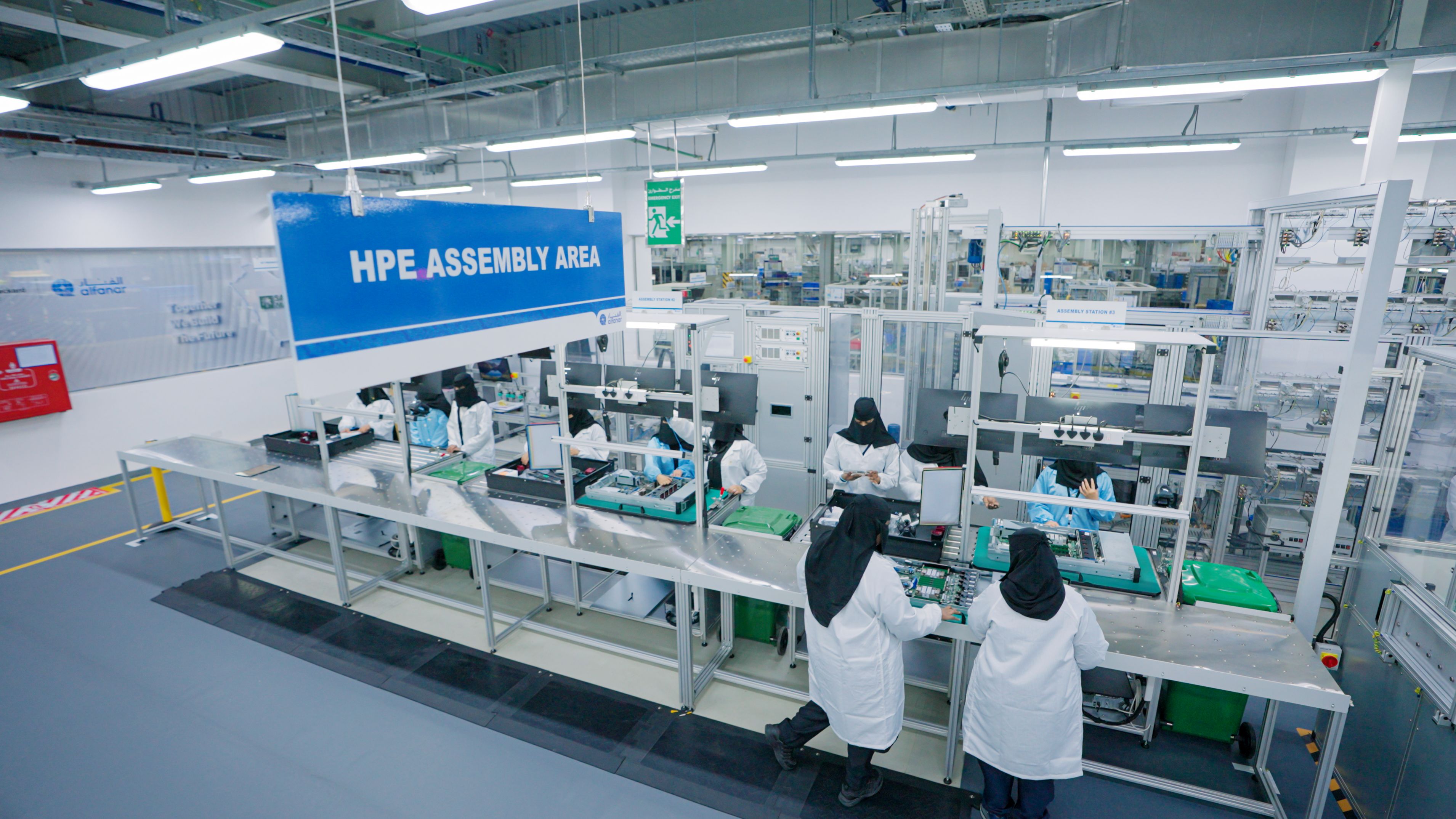
The interview also places automation within HPE’s wider strategy following its acquisition of Juniper in July 2025. Rahim described integrating network fabric management with OpsRamp, its hybrid-cloud observability software. Networking sits alongside the company’s hardware business, including its Saudi-made Gen12 server range.
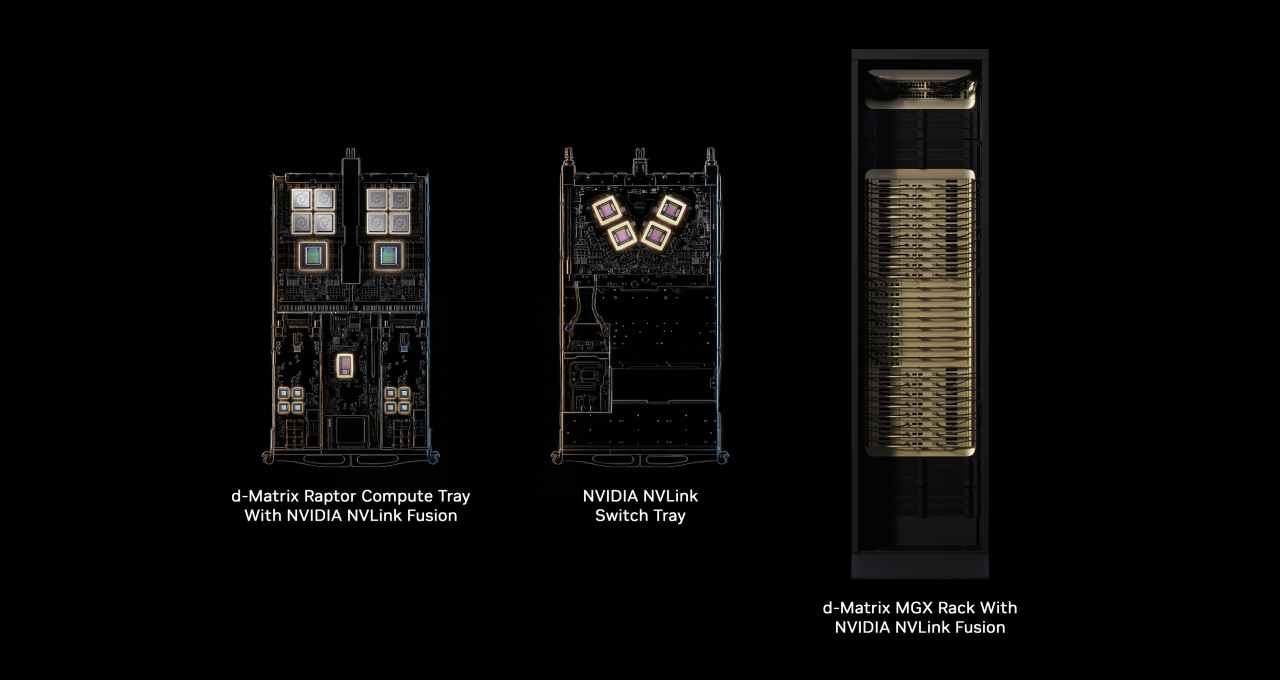
He argues that enterprises will need more reliable connections as AI agents become network users themselves. That adds a networking dimension to the compute investment reflected in reports such as Nvidia’s proposed investment in d-Matrix. It does not establish how quickly every organisation can automate its operations.
For GCC IT teams evaluating the claim, the practical test is which incidents a system can resolve and what happens when its fix fails. The documentation provides a starting point: site-level permissions, post-remediation checks, and an open issue when the automated response fails. It also lists some actions as enabled by default, so teams should check individual settings rather than assume all automation requires a fresh opt-in.
The evidence supports automating a growing set of repeatable network tasks. It does not yet demonstrate Rahim’s broader endpoint of no human-handled network issues within two to three years. An automatic port restart and responsibility for restoring a business-critical service remain different jobs.
Does HPE’s prediction cover every IT helpdesk ticket?
No. The interview concerns network operations and AIOps, not every request handled by an IT department, such as account access or desktop support.
Can administrators stop a Marvis self-driving action?
HPE’s documentation says disabling self-driving for an action stops subsequent automated tasks, but ongoing tasks complete. It also identifies exceptions, including DFS optimisation, which is enabled by default and cannot be disabled.