Gears of War E-Day is using the Xbox Series S’s internal SSD as a carefully limited memory tier, giving The Coalition about 1GB of additional usable system memory from a couple of gigabytes of drive space. The studio’s technical director told Digital Foundry that the technique helped fit the game’s dense city into a console with 10GB of RAM.
That does not turn the drive into a faster replacement for RAM. The Coalition’s system moves selected, less frequently used data to the NVMe SSD and returns it to system memory when required. The bespoke system was developed with Xbox’s platform team and Advanced Technology Group; VGC also reported the approach after the interview.

Gears of War E-Day uses the SSD as a memory tier
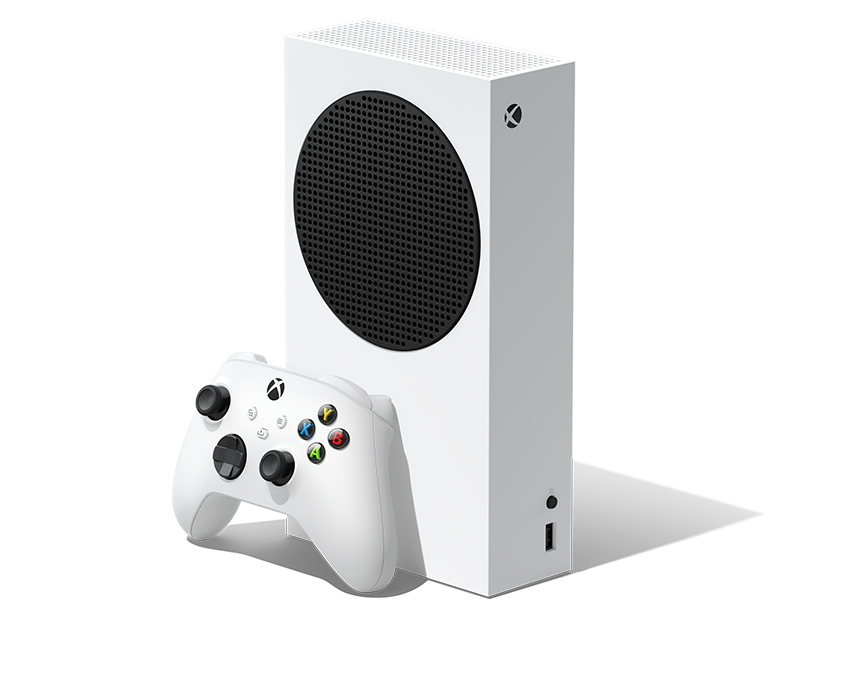
The Series S has 10GB of GDDR6 memory. Microsoft’s official specifications list 8GB at 224GB/s and a slower 2GB pool at 56GB/s. The console’s internal SSD is rated for 2.4GB/s raw throughput, or 4.8GB/s with hardware decompression. Those figures describe different kinds of throughput, but they show why the drive cannot simply stand in for fast system memory.
| Xbox Series S resource | Official specification |
|---|---|
| GDDR6 memory | 10GB total |
| Memory bandwidth | 8GB at 224GB/s; 2GB at 56GB/s |
| Internal SSD I/O | 2.4GB/s raw; 4.8GB/s compressed |
The game’s memory system therefore does not page everything indiscriminately. Digital Foundry says The Coalition uses access-pattern heuristics: data that has not been used for a frame, or across a run of frames, can become a candidate to move to storage. Frequently accessed data stays in RAM, while the SSD holds selected city data until the game needs it again.
Why the SSD is not a RAM upgrade
This is a game-specific workaround, not a change to the Series S hardware or a console-wide increase to its memory. The Coalition chose particular data that could tolerate the slower trip back from storage. If the system moves data too often, the transfer itself costs performance and can push frames over budget.
Rayner also told Digital Foundry that the operating system takes time to reclaim freed memory. A game can be technically out of memory while it waits for that process, so the technique needs careful tuning rather than simply assigning more data to the drive. It is a way to make a limited memory pool go further for this game, not a hidden upgrade that users can switch on for every title.
The PC installation requirement is separate. Gears of War: E-Day’s PC specifications call for 130GB of SSD space, but that is storage needed for the install, not extra memory available while the game runs.
What changes for Gears of War E-Day on Series S
Digital Foundry reports that the game’s world contains around 1.6 million actors, and that fitting it into Series S memory became the baseline for the team’s scaling work. The studio said the SSD-backed tier helped it avoid substantially lowering the game’s quality on the smaller console.
The report says Lumen-based reflections were the only major feature cut on Series S as The Coalition targeted 60 frames per second. That is not yet a measured performance verdict: Digital Foundry says its full review coverage will confirm how the system behaves in the shipped game. The Coalition also told the outlet that other game teams are interested in the technique, though no wider adoption has been announced.
The Coalition’s system is a bespoke use of the Series S’s internal NVMe drive, trading a few gigabytes of storage for about 1GB of usable memory. Other studios will need to test whether their own assets can tolerate the slower trip back into RAM.
Some links in this article are affiliate links; tbreak may earn a commission from qualifying purchases.
Does the memory technique change Gears of War: E-Day’s PC requirements?
No PC-side memory boost is reported. Xbox’s separate PC specifications list 12GB RAM as the minimum, 16GB as recommended and 130GB of SSD storage.
Can players enable this on another game or in Xbox settings?
The report describes a developer-built system, not a console setting. Other teams are interested, but no other game or player-facing option has been announced.
Does the 60fps target apply to every Xbox Series S game?
No. It is the target reported for Gears of War: E-Day, not a performance guarantee for the console or other games. The technique depends on the data and workload in each title.
Why not move more game data to the SSD?
The drive is much slower than GDDR6. Data that is needed often must stay in RAM; moving it back and forth too frequently can consume frame time and hurt performance.