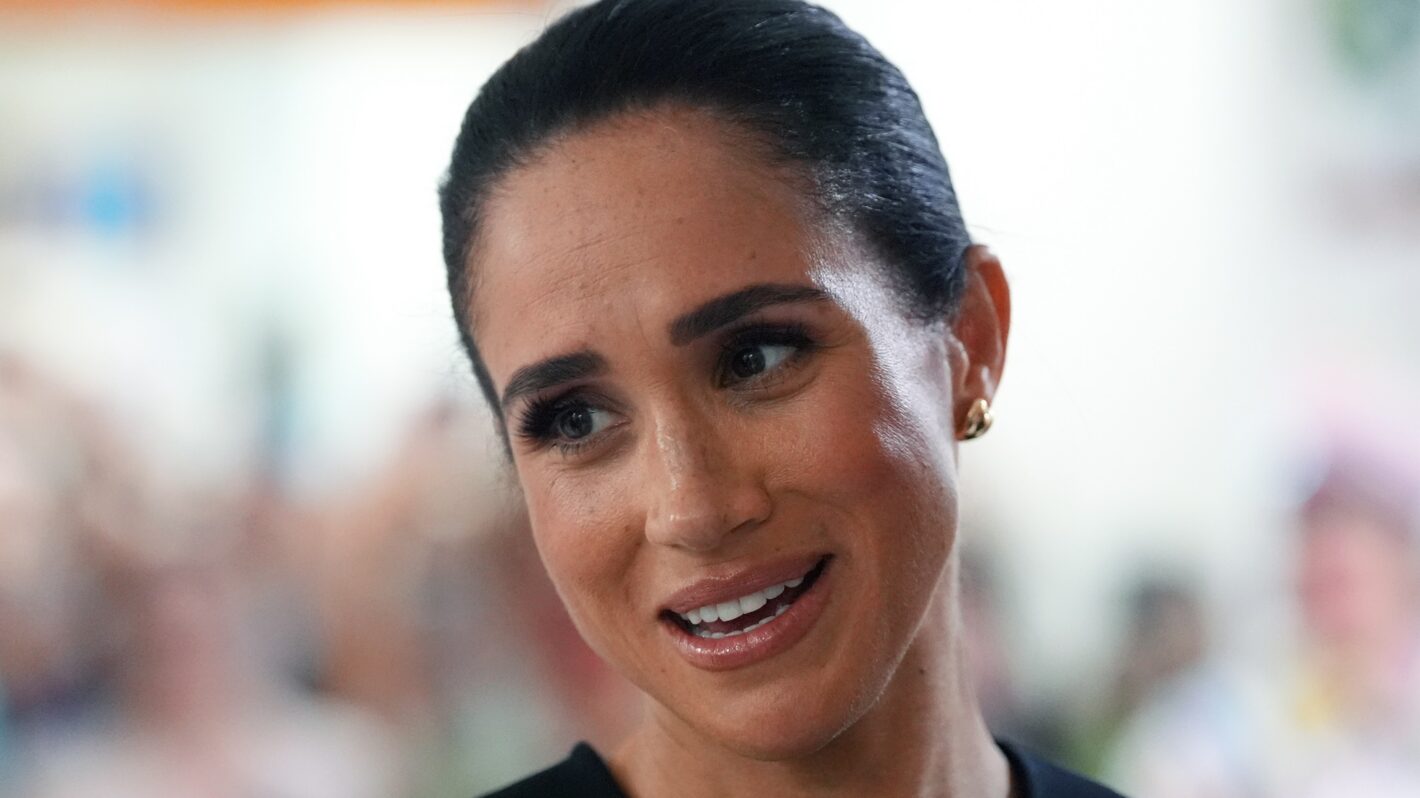
Emilia Clarke had absolutely zero control over Daenerys Targaryen’s controversial fate in Game of Thrones, the actress has confirmed. According to an interview with Variety, Clarke explicitly stated she had no creative input over her character’s storyline, dialogue, or that polarising ending that still divides fans five years later.
Key Takeaways
- Emilia Clarke had no creative input on Daenerys Targaryen’s storyline or controversial ending in Game of Thrones.
- Showrunners David Benioff and D.B. Weiss required actors to deliver scripts exactly as written, with retakes for minor changes.
- Kit Harington attributed the show’s ending issues to cast and crew exhaustion after nearly a decade of production.
- Clarke now feels grateful for the role that launched her career, no longer feeling ‘trapped’ by the character.
- The actress called her future fantasy work ‘highly unlikely’ after nine years playing Daenerys.
What did Emilia Clarke say about creative control?
According to Variety, Clarke was refreshingly direct about her lack of influence on the show. “Aside from what I brought as an actor, I didn’t have any creative input, nor did I want any,” she explained. When specifically asked if she could have altered Daenerys’ ultimate fate — the dragon queen’s transformation from hero to city-burning conqueror — Clarke’s response was a flat “no.”
The actress revealed that showrunners David Benioff and D.B. Weiss were “fastidious about us saying the lines exactly as they’ve written them.” Even minor deviations required retakes — if Clarke said “it’s” instead of “it is,” they’d have to do another take. This level of script precision meant actors had virtually no room for improvisation or character input.
How Emilia Clarke approached playing Daenerys
Despite having no creative control, Clarke took a deeply empathetic approach to her character. “I was given the seasons, and I, to the best of my ability, empathized and understood and tracked every choice she made so it felt like mine,” she told Variety. “I felt like that was what my job was.”
This professional approach meant Clarke had to make sense of Daenerys’ dramatic character arc internally, from the heroic liberator who defeated the undead army to the conqueror who burned King’s Landing. Her job wasn’t to question the writing — it was to make every choice feel authentic, even when fans (and possibly the actress herself) disagreed with the direction.
Kit Harington’s take on the controversial ending
Clarke’s co-star Kit Harington, who played Jon Snow and delivered Daenerys’ final scene, previously addressed the show’s polarising conclusion. According to Harington, exhaustion played a significant role in the ending’s execution. “I think if there was any fault with the end of Thrones, is that we were all so f***ing tired, we couldn’t have gone on longer,” he said.
Harington acknowledged that “mistakes were made” but argued he was “not sure there was any alternative” given the cast and crew’s state after nearly a decade of production. This context adds another layer to understanding why the final season felt rushed to many viewers — the people making it were genuinely burnt out.
Emilia Clarke’s relationship with Game of Thrones now
The actress has undergone what she describes as a “circuitous route” to reach peace with her Game of Thrones experience. “I have gone through every circuitous route to get to the place that I am now, which is finally being able to be very grateful for everything that Game of Thrones did and has given me,” Clarke reflected.
She no longer feels “trapped” by the role or its aftermath. “I no longer feel trapped in it, or trapped in the result of being in it. I feel just really lucky that it happened to me,” she said. This represents a significant shift from someone who clearly struggled with the character’s impact on her career and personal life.
However, Clarke has definitively moved away from fantasy. She told the New York Times it’s “highly unlikely” viewers would see her “get on a dragon, or even in the same frame as a dragon, ever again.” Nine years as the Mother of Dragons appears to have been quite enough.
Where to watch Game of Thrones in UAE
UAE viewers can still experience Daenerys’ full journey through OSN+ streaming, which offers the complete series. The show remains hugely popular in the region, despite the ending controversy. For those seeking more Targaryen content, House of the Dragon continues to explore the family’s legacy on the same platform.
What this means for the entertainment industry
Clarke’s comments offer a fascinating behind-the-scenes look at how little control actors can have over major story decisions, even when playing iconic characters. With Game of Thrones’ immense global impact, the discussion around creative control versus showrunner vision remains relevant for the industry.
The debate around Daenerys’ ending has continued for years without changing the outcome, but Clarke’s perspective adds new context to understanding how these decisions are made — and who gets to make them.
Frequently Asked Questions
Did Emilia Clarke have control over Daenerys' storyline in Game of Thrones?
No, Emilia Clarke explicitly stated in an interview with Variety that she had no creative input over her character Daenerys Targaryen’s storyline, dialogue, or eventual fate. She said aside from what she brought as an actor, she had no creative control.
What did Emilia Clarke say about the Game of Thrones ending?
Clarke stated she had no control over Daenerys’ controversial ending and noted that showrunners David Benioff and D.B. Weiss were “fastidious” about actors sticking to the script exactly as written, requiring retakes for even minor word changes.
Why was the Game of Thrones ending controversial?
Many fans disliked Daenerys Targaryen’s sudden transformation from a heroic figure who defeated an undead army to a city-burning conqueror in the final episodes, which culminated in her death at the hands of Jon Snow.
What did Kit Harington say about the Game of Thrones ending?
Kit Harington acknowledged that “mistakes were made” in the show’s controversial ending but said he wasn’t sure there was any alternative, as the cast and crew were exhausted after almost a decade of production.